 Help & Support
 SEARCH
Android Auto: Google reshapes the modern driving experience
SHARE IT
At the latest Android Show: I/O Edition 2026, Google unveiled a comprehensive overhaul for Android Auto, aiming to fundamentally change how drivers interact with their vehicles. With over 250 million connected cars currently on the roads worldwide, the platform has evolved from a simple smartphone mirroring tool into a deeply integrated, intelligent co-pilot designed to meet the demands of modern motorists.
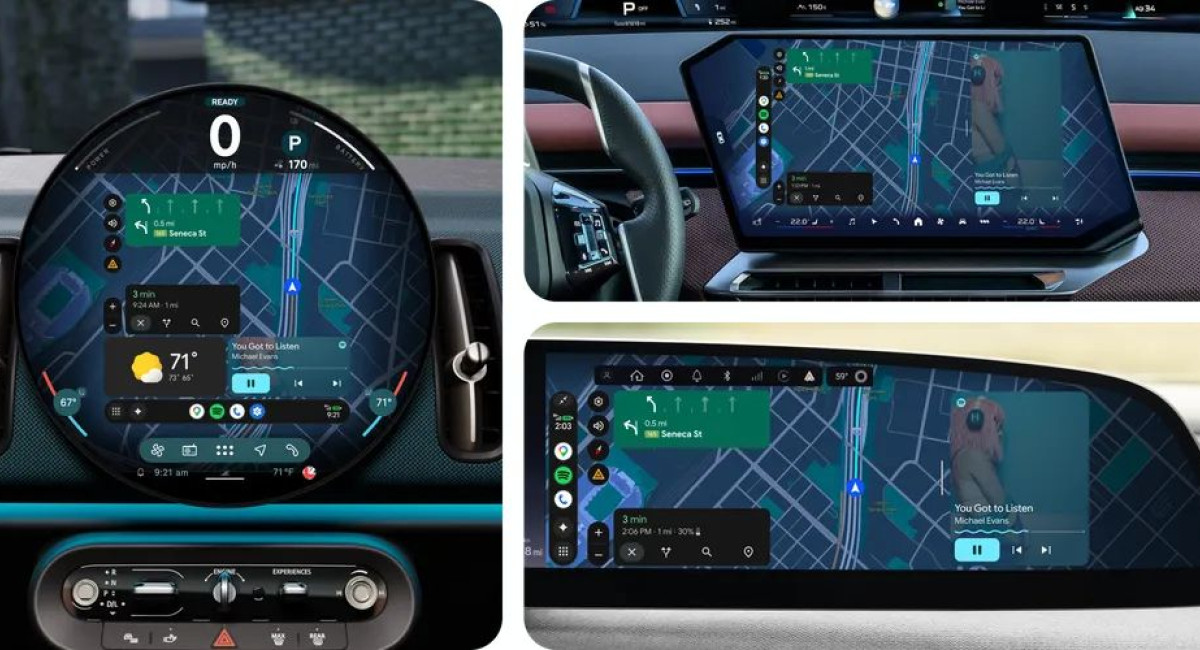
At the heart of this update is a visual revolution driven by the Material 3 Expressive design framework. Automotive screens are no longer standardized, and Google is tackling this hardware fragmentation head-on with new shape-shifting capabilities. The updated user interface can seamlessly mold itself to fit any dashboard configuration, whether a vehicle features a sweeping ultrawide rectangular display, a futuristic circular console, or any unconventional geometric screen shape. Coupled with fluid animations and edge-to-edge Google Maps integration, the system ensures that critical navigation information feels tailored to the specific aesthetics of the car cabin.
Personalization takes center stage in this new iteration, allowing users to curate their in-car environment with unprecedented ease. Drivers can now configure their dashboards to display high-priority shortcuts, such as one-touch garage door openers, real-time localized weather overviews, and instant dials for favorite contacts. This flexibility builds upon the previously introduced Immersive Navigation feature, which gives motorists a stunning 3D rendering of buildings, complex overpasses, and regional terrain, significantly reducing commuter stress during complex routes.
Beyond utility, Google is turning the vehicle into a mobile entertainment hub. Recognizing that electric vehicles require charging stops and long commutes involve downtime, the updated software allows parked vehicles to stream high-definition content. Later this year, select models from major automotive brands including BMW, Ford, Genesis, Hyundai, Kia, Mahindra, Mercedes-Benz, Renault, Škoda, Tata, and Volvo will support YouTube streaming at 1080p resolution at 60 frames per second. To ensure safety remains a top priority, the system smoothly transitions video applications into an audio-only mode the moment the vehicle shifts out of park, allowing background playback to continue uninterrupted.
The auditory experience is receiving an equally premium upgrade. Select car manufacturers will soon roll out support for spatial audio powered by Dolby Atmos, bringing a theater-like soundscape directly into the cabin. Whether listening to a podcast or an expansive music playlist, the deep, multi-dimensional audio aims to leverage the high-end sound systems found in luxury and mainstream modern vehicles alike.
However, the most significant leap forward lies in the deep integration of artificial intelligence. For users with compatible smartphones, Gemini Intelligence is making its way directly into the car via Android Auto. This allows drivers to handle everyday tasks using natural language processing without taking their eyes off the road. For instance, commuting professionals can seamlessly order dinner through platforms like DoorDash or manage corporate schedules while driving. Furthermore, productivity on the move gets a boost with direct compatibility with virtual meeting platforms like Zoom.
The integration becomes even more profound in vehicles equipped with Google built-in, a native ecosystem currently adopted across more than 100 models from 16 different brands. In these deeply integrated systems, Gemini transcends the boundaries of a standard virtual assistant by accessing specific vehicle data. This means the AI chatbot can diagnose car anomalies on the fly, explaining exactly why an unexpected warning light has appeared on the dashboard. It can even assist with practical daily dilemmas, such as calculating whether a large appliance, like a television, will fit into the specific dimensions of the car trunk. By blending vehicular diagnostics, spatial awareness, and lifestyle convenience, Google is redefining the boundary between software and machine.
MORE NEWS FOR YOU