Help & Support
SEARCH
Apple HomePod mini 2 brings smarter audio and dynamic visuals
SHARE IT
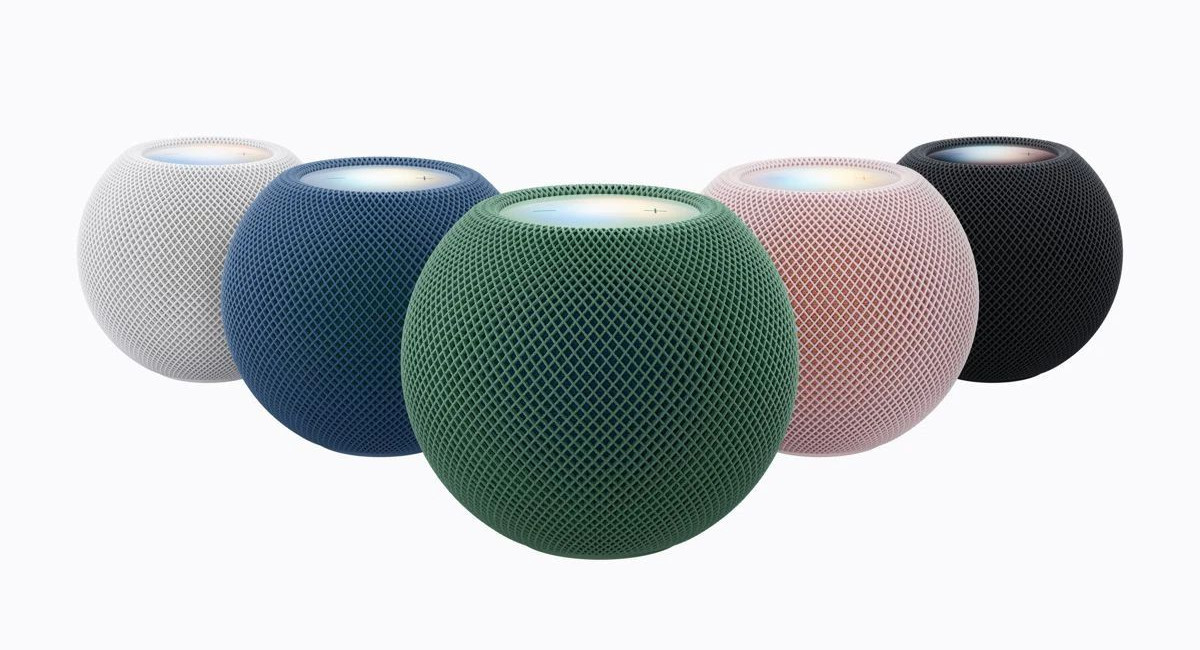
The smart home landscape is entering a transformative chapter as Apple introduces the second-generation HomePod mini. While the device retains the beloved compact spherical form factor of its predecessor, the internal components have received a massive overhaul. At the heart of this refreshed model sits the Apple S10 processor, transforming a modest desktop speaker into an ambitious command center built to balance premium acoustic fidelity with modern generative artificial intelligence. Priced at 149 dollars and arriving in five distinct finishes including pink, green, blue,white, and midnight, this updated unit targets consumers seeking an integrated, intelligent ecosystem without breaking the bank.
The defining upgrade of this generation revolves around Apple Intelligence, which revitalizes Siri AI through the deployment of advanced Apple Foundation Models. Instead of serving as a simple voice-command listener, the digital assistant now processes everyday tasks within the actual context of a user's life by cross-referencing information securely from a paired iPhone or iPad. Everyday scenarios become significantly more fluid. An individual can instruct the speaker to track down an obscure cooking guide buried deep within recent emails or request a track shared casually by a friend through Messages, eliminating the need to unlock a handheld screen. Voice differentiation remains a critical anchor for household convenience, recognizing as many as six distinct family profiles to adapt daily agendas, music suggestions, and individual preferences on the fly.
Privacy remains a foundational priority for the hardware maker. To handle compute-heavy operations without compromising sensitive user records, Siri AI leans on Private Cloud Compute. This architecture guarantees end-to-end data encryption while ensuring that queries offloaded to remote clusters are never logged, stored, or retained by corporate infrastructure. Consequently, homeowners gain sophisticated machine learning utility without relinquishing authority over their personal information.
Beyond raw computational strength, the HomePod mini 2 turns heads with a revamped interactive surface dubbed Sound Glow. Departing from the basic illuminated panel seen on the previous model, this touch interface serves as an expressive visual canvas that responds dynamically to playback rhythms. The system evaluates frequencies across treble and bass registers in real time, pulsing alongside the music. Furthermore, Sound Glow analyzes the artwork of songs streaming via Apple Music to cast complementary hues across the room, alongside tailored atmospheric animations meant to accompany ambient white noise such as falling rain.
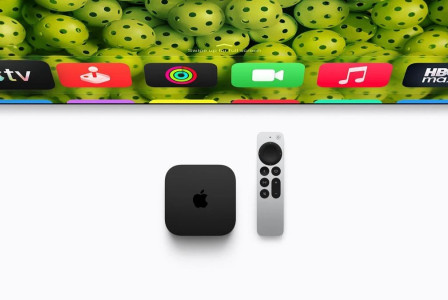
Acoustic engineering has also taken a tangible step forward. Leveraging computational audio, the hardware optimizes dynamic range and output parameters on the fly, delivering expansive 360-degree sound dispersion. The most notable home theater development, however, lies in its modularity. When paired with the fourth-generation Apple TV 4K, users can link up to four HomePod mini 2 units simultaneously to establish a complete surround-sound configuration.Complex calibration algorithms built into Apple TV 4K map the physical positioning of each speaker within the room,adjusting timing and volume levels independently to build a truly cinematic soundstage that rivals expensive traditional setups.
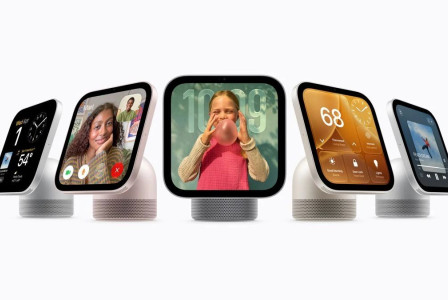
On the connected living front, the miniature speaker operates reliably as an essential home hub through the Home app.Safety monitoring receives a practical boost via Sound Recognition, enabling internal microphones to listen continuously for smoke or carbon monoxide alarms. If an anomaly occurs, urgent alerts dispatch immediately across associated iPhone, iPad, and Apple Watch units. Integration with the Apple Home Collection video doorbell range introduces facial recognition announcements, allowing the system to voice the identity of doorstep visitors before anyone answers the bell.
Users embedded in desktop environments can also designate the speaker as the default audio output for Mac computers. Whether handling video conferences on FaceTime, gaming sessions, or multimedia playback, the speaker unifies sound quality across machines while matching the aesthetic of modern work desks.
MORE NEWS FOR YOU