 Help & Support
 SEARCH
Finding your essentials just got easier with AirTag 2
SHARE IT
Apple has officially signaled a new era for personal item tracking with the unveiling of its second-generation AirTag. Building on the massive success of the original tracker launched back in 2021, this updated version addresses the most requested improvements from users worldwide. The tech giant is not just iterating on a popular accessory; it is fundamentally enhancing the way we interact with our physical belongings through a sophisticated blend of hardware efficiency and network intelligence.
At the heart of the new AirTag is the second-generation Ultra Wideband chip. This is the same cutting-edge silicon found in the latest iPhone 17 and Apple Watch Ultra 3 models, ensuring a seamless and high-performance integration across the entire Apple ecosystem. For the average user, this translates to a massive leap in Precision Finding. The device can now guide you to your lost keys or wallet from distances up to 50 percent farther than before, using a combination of haptic vibration, visual cues, and audio alerts that feel more intuitive than ever.
The auditory experience has also received a significant overhaul. Apple’s engineers have redesigned the internal speaker system to be 50 percent louder. This change is particularly vital for those moments when an item is buried deep within couch cushions or trapped inside a heavy piece of luggage. By doubling the audible range, the company ensures that "hide and seek" with your essentials is a much shorter game. Furthermore, for the first time, users can initiate Precision Finding directly from their Apple Watch Series 9 or newer, bringing the power of the Find My network right to their wrist.
Beyond hardware, the new AirTag leverages enhanced software capabilities, most notably the Share Item Location feature. In a move that will delight frequent travelers, Apple has collaborated with over 50 major airlines to allow users to securely share the location of a misplaced bag with airline staff. According to industry data, this technology has already contributed to a 26 percent reduction in baggage delays. By providing a secure, temporary link to authorized personnel, Apple is helping solve one of the most stressful aspects of modern travel while maintaining strict user privacy.
Privacy and security remain the cornerstones of the AirTag experience. The new generation continues to lead the industry with protections against unwanted tracking. Location data is never stored on the device itself, and all communication within the Find My network is protected by end-to-end encryption. Apple has also refined the alerts that notify users if an unknown AirTag is moving with them, ensuring the device remains a tool for finding objects rather than tracking people.
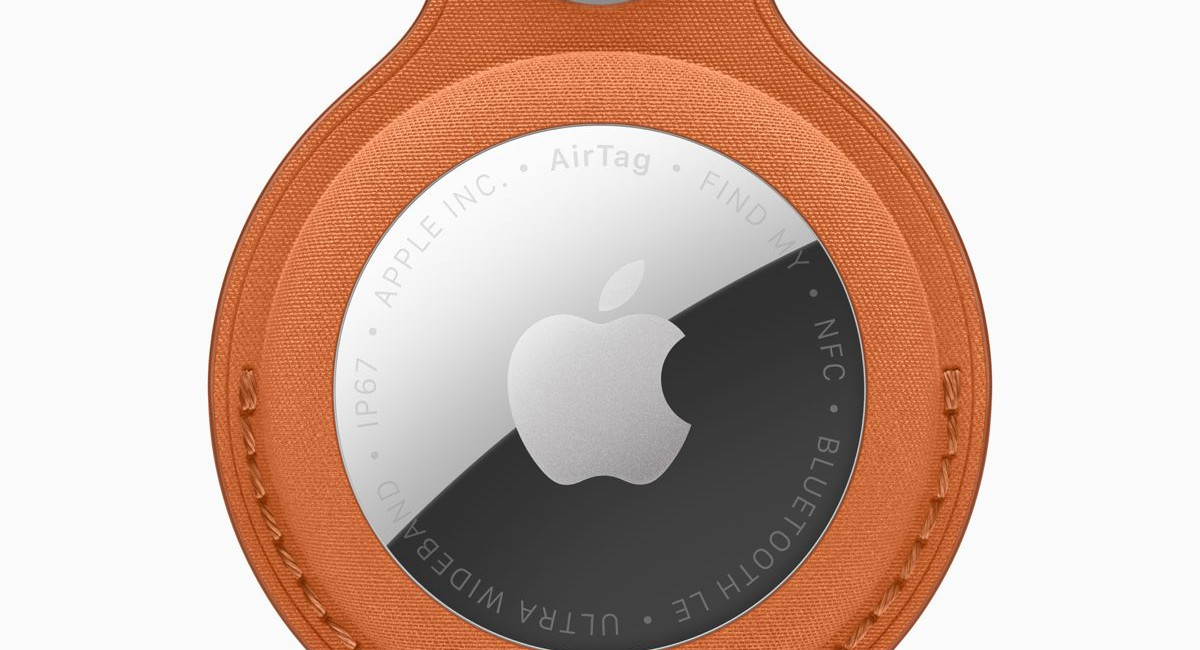
Sustainability plays a central role in the new design, aligning with the Apple 2030 goal of carbon neutrality. The enclosure is crafted from 85 percent recycled plastic, and the internal magnets utilize 100 percent recycled rare earth elements. Even the gold plating on the circuit boards is 100 percent recycled. By maintaining the original form factor, Apple ensures that users won't need to buy new accessories, as the new AirTag fits perfectly into existing cases and FineWoven Key Rings.
The new AirTag remains accessible, launching at the same price points of $29 for a single unit and $99 for a four-pack. With its expanded range, louder sound, and deeper integration with global travel infrastructure, the second-generation AirTag cements its place as an indispensable companion for the modern, connected lifestyle.
MORE NEWS FOR YOU