 Help & Support
 SEARCH
Google reinvents the laptop with Gemini centric hardware strategy
SHARE IT
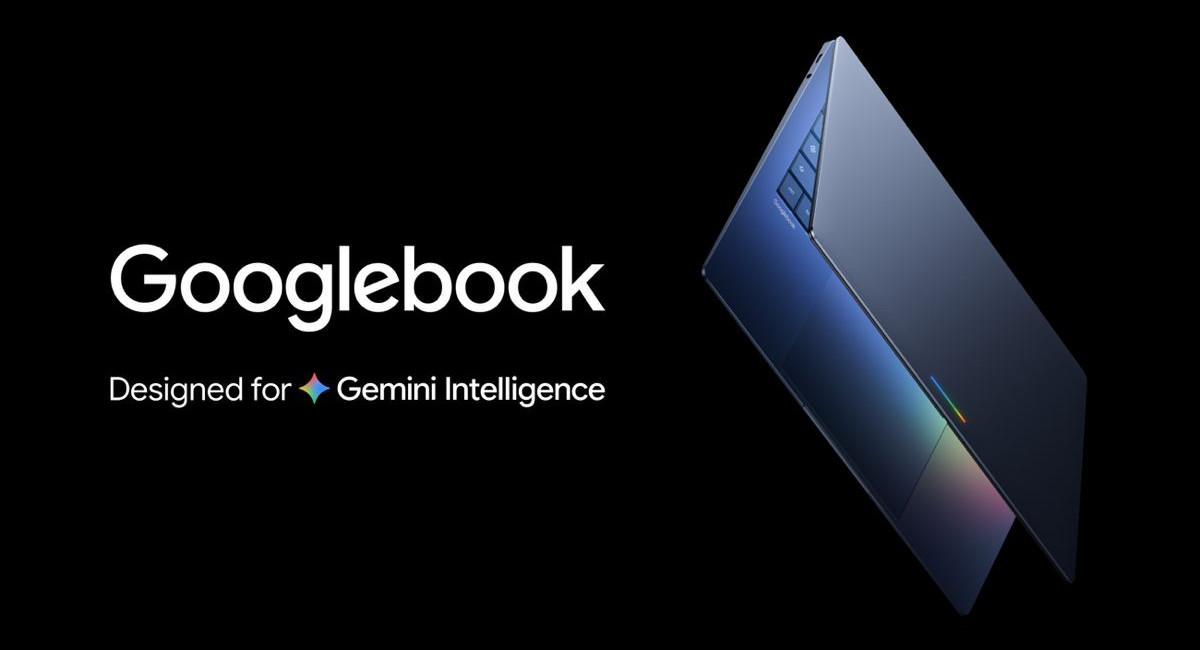
Google is attempting to transform the personal computing landscape once again, more than fifteen years after it disrupted the market with the introduction of the cloud-reliant Chromebook. The tech giant has officially revealed Googlebook, an entirely new classification of premium portable computers. This fresh initiative represents a major strategic pivot, steering away from the budget friendly, education oriented reputation of its predecessor to establish a sophisticated ecosystem that places artificial intelligence at its very core.
The foundation of this new hardware category lies in a modern operating system that seamlessly fuses two of Google's most successful software pillars. By bridging the massive application landscape of Android via the Google Play store with the secure, browser-centric foundation of ChromeOS, the company has engineered a unified user experience. However, the true defining characteristic of this software architecture is the deep, system wide integration of Gemini Intelligence, which transforms the operating system from a passive platform into an active, predictive partner.
Among the standout capabilities showcased for the platform is an interactive feature called Magic Pointer. Designed to enhance user productivity through contextual awareness, this tool allows individuals to point at items on their screens to receive immediate, intelligent suggestions powered by Gemini. Whether it is scanning an unexpected date within a text to instantly schedule a calendar appointment or identifying complex onscreen details, this functionality mirrors contemporary competitive solutions like the Click to Do feature found in Windows 11, indicating a industry wide shift toward proactive software.
Customization also receives an artificial intelligence upgrade through a feature known as Create your Widget. This tool empowers users to design bespoke desktop modules using straightforward, everyday language prompts. During the announcement, Google demonstrated how these specialized widgets can effortlessly aggregate dynamic information, such as upcoming flight itineraries, restaurant bookings, and hospitality arrangements. Proving that this ecosystem expands beyond laptops, the company confirmed that this specific custom widget generator will also arrive on the latest Samsung Galaxy and Google Pixel smartphones later this year.
In an effort to create a fluid environment between mobile devices and personal computers, Googlebook introduces deep smartphone synchronization that rivals the Phone Link experience on Windows 11. Through a feature called Cast My Apps, users can effortlessly stream and interact with their mobile applications directly from their laptop screens. Furthermore, the integration extends to local storage systems via Quick Access, a utility embedded within the laptop file browser that permits users to explore, locate, and retrieve files saved on their connected mobile devices without needing manual cloud transfers.
While the software features take center stage, Google is ensuring that the physical machines reflect this premium approach. Moving away from the plastic, low cost builds historically associated with older Chromebook models, the upcoming devices will utilize high tier materials and diverse form factors. To establish a unified visual identity across different manufacturing partners, every device in this category will feature a distinct visual signature known as the glowbar, providing a recognizable aesthetic mark for the brand.
Consumers will not have to wait long to experience this new generation of computing, as devices are scheduled to debut this fall. Although Google has withheld specific pricing details and exact internal hardware specifications for the initial rollout, a formidable coalition of major industry manufacturers has already pledged allegiance to the platform. Industry mainstays including Acer, ASUS, Dell, HP, and Lenovo are currently developing hardware tailored for this operating system, signaling strong market confidence in Google's vision for an artificial intelligence first desktop future.
MORE NEWS FOR YOU