Help & Support
SEARCH
Google targets hospital burnout with new read-only AI platform
SHARE IT
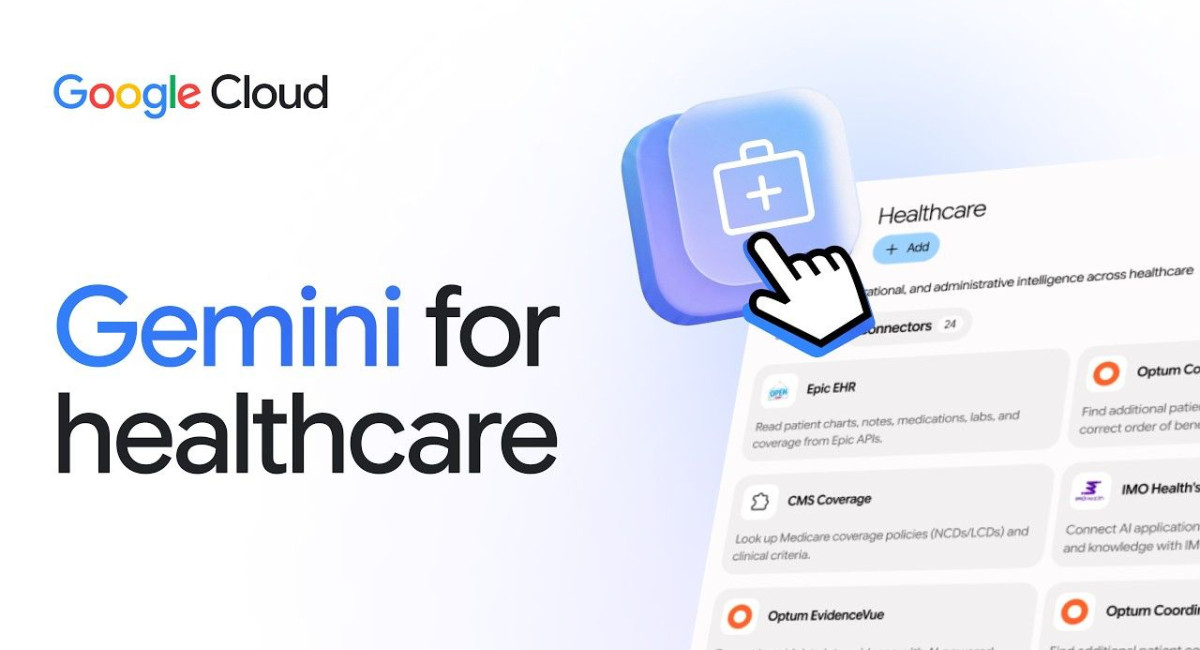
Artificial intelligence is entering a new era of practical application in the medical sector, moving away from general-purpose chatbots to tackle the systemic administrative bottlenecks plaguing healthcare providers worldwide. Google Cloud has officially unveiled Gemini for healthcare, a specialized agentic AI platform designed to unify fragmented clinical and operational data while relieving doctors from crushing bureaucratic workloads.
The initiative directly addresses a chronic pain point in modern medicine. Physicians and nursing staff routinely navigate an endless stream of critical patient information scattered across disconnected digital silos. According to recent research conducted by The Harris Poll and Google Cloud, clinicians lose nearly 28 hours every single week to clinical documentation and administrative paperwork. This relentless clerical burden is cited as the primary driver of burnout for 41.9 percent of doctors, while simultaneously inflating administrative expenses, which currently account for 25 to 35 percent of total healthcare spending in the United States.
At its core, Gemini for healthcare acts as an intelligent synthesis layer that connects directly to existing Electronic Health Record systems without requiring hospitals to migrate their sensitive data. Built on an open ecosystem of connectors, the platform integrates seamlessly with industry giants such as Epic and Oracle Health. Through these connections, authorized medical staff gain immediate access to consolidated patient histories, diagnoses, laboratory results, and clinical notes. Crucially, Google designed the system on a strict read-only architecture. While the AI excels at retrieving, organizing, and summarizing complex medical records, it cannot alter files or enter new data, ensuring that final clinical decisions and official record-keeping remain entirely in human hands.
To ensure high-performance clinical interoperability, Google has partnered with key health-tech specialists.Collaborations with InterSystems enable rapid data exchange using the FHIR standard, while integration with Verato resolves patient identity discrepancies by accurately matching records across disparate visits and facilities. In daily practice, the platform coordinates both clinical and financial workflows. Before a scheduled appointment, the AI prepares comprehensive patient briefs, flags newly recorded allergies or medication changes, and verifies whether required lab work has been completed.
Beyond the examination room, Gemini for healthcare aims to eliminate notorious delays in health insurance coverage and prior authorizations. The system automatically cross-references treatment requests against specific medical policies, calculates out-of-pocket patient costs by analyzing insurance plan documents, and compiles necessary clinical evidence for reviewers. By automating these steps, healthcare providers can drastically reduce waiting times for critical treatment approvals. If an insurance claim is denied, the AI agent can draft a formal appeal grounded strictly in the patient's medical file and policy guidelines, providing transparent citations for every piece of data referenced.
Recognizing the heightened sensitivity of medical records, Google Cloud built the platform to comply fully with HIPAA regulations in the United States. The company emphasizes that Protected Health Information remains strictly isolated within each healthcare organization's environment and is never utilized to train Google's public foundation models. Every query executed by the system inherits the hospital's existing role-based access controls, meaning staff members can only view data they are already cleared to access. Furthermore, all system interactions are tracked via Cloud Audit Logs to maintain complete institutional transparency.
Currently in preview in the United States, the platform is already being piloted by major healthcare networks and insurers, including HCA Healthcare, Northwell Health, Optum, and Blue Cross Blue Shield of Massachusetts. As Google Cloud CEO Thomas Kurian noted, the fundamental obstacle in modern healthcare is rarely a lack of information, but rather the immense operational friction required to make that information actionable within a heavily regulated environment.
While Google has signaled intentions for an eventual global rollout, bringing Gemini for healthcare to European hospitals will require navigating a far more complex regulatory landscape. Full compliance with strict GDPR mandates will present significant hurdles before European clinicians can adopt the tool. However, Google's deliberate decision to restrict the AI to read-only permissions offers a promising foundation for earning the trust of European data protection authorities and medical institutions alike.
MORE NEWS FOR YOU