Help & Support
SEARCH
Instagram brings AI-powered Edits to macOS to challenge CapCut
SHARE IT
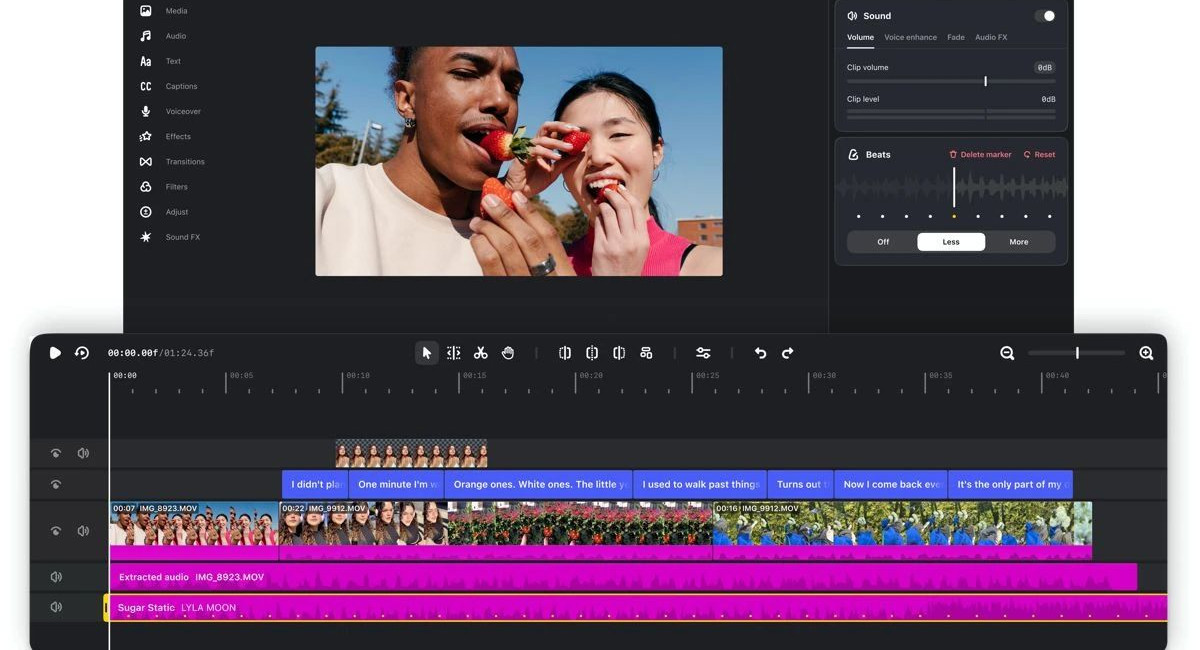
Instagram is officially stepping out of the smartphone screen and onto the desktop with the launch of its standalone video editing application, Edits, for macOS. Designed for digital creators who demand greater precision, flexibility, and speed, this new desktop release marks a major strategic expansion for Meta. Rather than simply porting over the mobile interface that debuted last year, the company has reimagined the software for computer workflows, integrating deep artificial intelligence capabilities that position Edits as a direct competitor to ByteDance’s dominant CapCut.
At the core of this desktop transition is an ambitious approach to automation. According to Matthew Simari, head of product management for Edits, the macOS version introduces full support for the Model Context Protocol, commonly known as MCP, across all of the platform’s built-in editing tools. This open framework allows creators to plug in their preferred AI agents—whether that is Meta’s own Muse or a third-party assistant—to execute complex timeline modifications at unprecedented speeds. By adopting MCP, Instagram is shifting artificial intelligence from a passive advisor that merely offers text-based tips into an active production partner capable of physically manipulating video tracks.
While Edits initially gained traction on mobile devices, professional content creators have long lobbied for a desktop environment capable of handling heavier workloads. Meta’s decision to build a native macOS experience was driven largely by the realization that advanced AI tools require the spatial freedom, precision, and multitasking capabilities of a large monitor, keyboard, and mouse. The company laid the groundwork for this evolution back in September when it introduced an AI creative assistant to the smartphone version of Edits. That feature analyzed historical account metrics,such as total views and audience retention rates, to suggest targeted cuts designed to boost viewer engagement.
The new macOS application effectively bridges the gap between algorithmic efficiency and human artistry. Simari illustrated this hybrid workflow with a practical scenario: a creator can instruct the Muse agent to scan raw video footage sitting inside a computer’s downloads folder, utilize MCP tool calls to organize the clips, and automatically assemble a cohesive rough cut. Once the AI finishes the heavy lifting, the creator can open the generated project directly inside Edits Desktop to fine-tune transitions, adjust pacing, and apply their personal creative touch on the timeline before exporting the final file.
Beyond artificial intelligence, Instagram has equipped the macOS software with professional-grade color grading tools.This addition caters to modern filmmakers and high-end creators who shoot in high resolutions and logarithmic color profiles, requiring granular control over shadows, highlights, and tonal balance. Bringing such robust visual adjustments to the desktop also aligns seamlessly with Instagram’s broader platform strategy, which has increasingly favored longform and widescreen video content over quick vertical clips. Horizontal videos with longer runtimes inherently demand intricate timelines, layered b-roll footage, and detailed audio mixing—tasks that have historically proven frustrating on cramped smartphone touchscreens.
With the arrival of Edits on macOS, Meta is signaling its commitment to keeping creators locked within its own ecosystem from the initial raw footage to the final upload. By combining open AI agent integration with traditional desktop editing power, Instagram is offering a compelling alternative to established industry tools while reshaping how online video is produced.
MORE NEWS FOR YOU