Help & Support
SEARCH
Microsoft overhauls Xbox PC app with major speed gains and new cloud features
SHARE IT
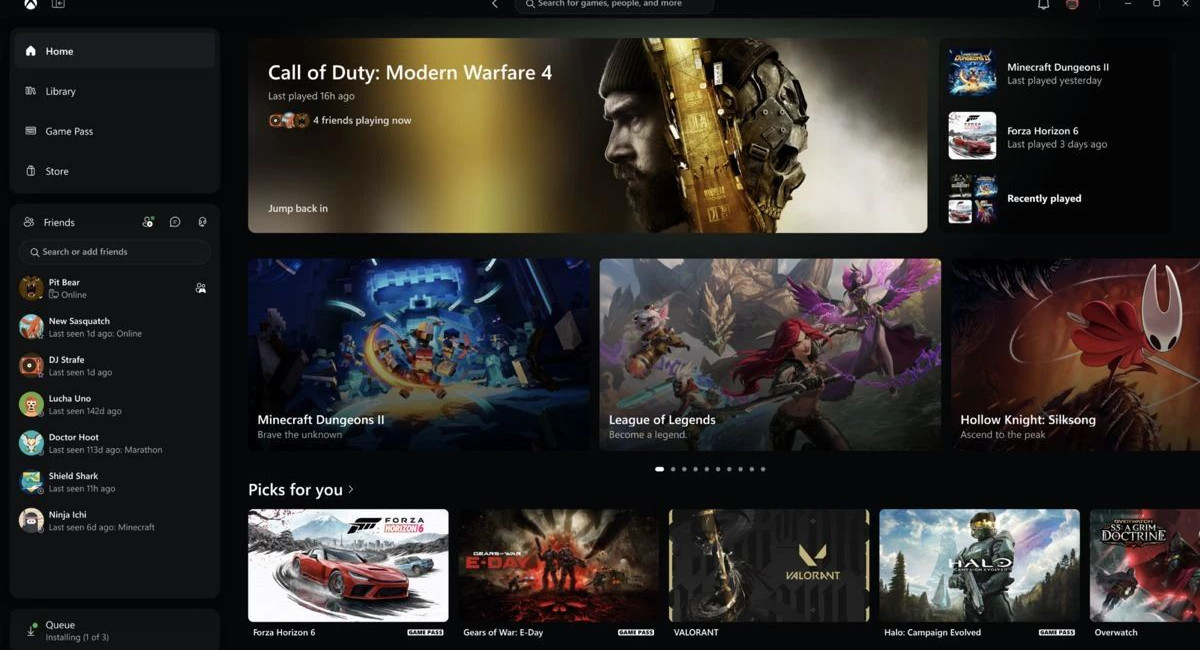
Microsoft is rolling out a substantial update to its Xbox application for Windows PCs, targeting long-standing user complaints regarding sluggish performance and cluttered navigation. The comprehensive redesign focuses on streamlining the core architecture of the platform, bringing desktop usability closer to the seamless experience typically associated with dedicated gaming consoles. As PC gaming continues to represent a critical pillar of Microsoft’s broader entertainment strategy, this overhaul signals a renewed commitment to optimizing the software foundation for desktop players.
The most immediate and noticeable improvement lies under the hood, where engineers have significantly reduced loading bottlenecks. According to the company, the initial startup time for the Xbox PC app has been slashed by up to 60 percent. Navigation across primary sections, including the Home screen, the digital Store, and the Game Pass catalog, now operates up to 50 percent faster than before. Furthermore, secondary menus and sub-screens within the interface load with a 65 percent boost in speed. By optimizing the underlying codebase, Microsoft aims to eliminate the frustrating lag that previously plagued users, particularly those running the client on mid-range or older hardware configurations.
Beyond raw speed, the visual layout and organizational tools of the application have been reimagined to reduce friction. The digital game library has received a complete structural refresh, introducing advanced filtering options and customizable sorting mechanics. Players managing expansive collections can now locate specific titles much more intuitively without digging through nested folders. Complementing the updated library is a unified search engine capable of indexing the entire ecosystem simultaneously. Typing a single query now yields instant, categorized results spanning installed games, downloadable add-ons, and community profiles, effectively removing the need to switch between separate tabs to find different types of content.
Social connectivity has also been elevated to a more prominent position within the user interface. Microsoft has relocated friend lists and communication tools directly into the main navigation bar, ensuring that community interactions remain accessible at all times. Gamers can immediately see which contacts are online, view their current in-game activities, initiate text chats, or join voice parties with minimal clicks. Alongside these functional shifts,individual game hubs, settings panels, and transitional animations have been visually modernized to create a cleaner,more cohesive aesthetic that is easier to scan at a glance.
In parallel with the desktop client updates, Microsoft is expanding the capabilities of Xbox Cloud Gaming through two notable hardware and software initiatives. First, the company is testing a feature that allows players on supported Smart TVs to use their smartphones as virtual controllers. This addition lowers the barrier to entry for casual sessions,enabling users to jump into cloud-streamed titles on a living room screen without needing a dedicated physical gamepad on hand.
Second, Microsoft is introducing a preview of Cloud Connect technology paired with the new Xbox Nano Controller.Rather than routing inputs through the local display device, such as a television or computer, the controller connects directly to the home Wi-Fi network to communicate straight with cloud servers. Bypassing the local hardware significantly reduces input latency, resulting in noticeably tighter and more responsive controls during remote gameplay. While still in an experimental phase, this direct-to-cloud architecture demonstrates how Microsoft intends to overcome the technical limitations historically associated with game streaming.
The redesigned Xbox PC app and its accompanying features are currently being deployed in stages to participants in the Xbox Insiders testing program. Feedback and telemetry gathered during this preview window will help developers refine system stability before a broader public rollout begins. Once finalized, the update will reach millions of Windows gamers worldwide, establishing a faster and more integrated hub for both local and cloud-based play.
MORE NEWS FOR YOU