
 Help & Support
 SEARCH
Microsoft's AI paradigm shift is redefining cancer research
SHARE IT
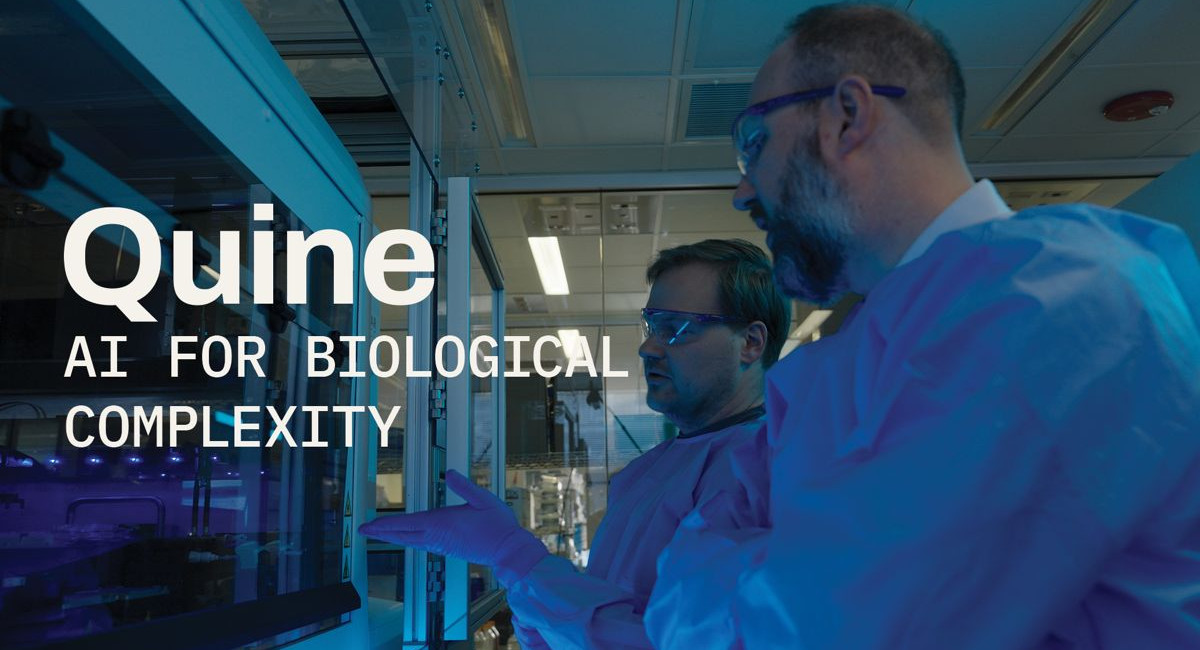
Modern medical research has long been constrained by the sheer physical limits of laboratory testing. Identifying viable pharmaceutical candidates typically demands countless months, extraordinary financial investment, and repetitive experimental cycles that slow down life-saving discoveries. Microsoft Research is challenging this traditional model with Project Quine, a foundation artificial intelligence framework designed to serve as a unified computational platform for biological exploration. By synthesizing experimental data, technical literature, and specialized digital tools into a single ecosystem, the technology aims to dramatically compress the timeline required to uncover new treatments for complex diseases.
Unlike conventional machine learning models that focus narrowly on isolated tasks, Project Quine operates as a multimodal biology platform. Its underlying architecture is built to process and correlate vast datasets across disparate scales and domains, integrating genomics, protein structures, cellular states, and high-resolution imaging data without fragmenting the information. Rather than treating these fields as independent silos, the system establishes mathematical relationships between them. For instance, insights derived from structural biology can reinforce predictions about cellular dynamics, allowing researchers to uncover hidden biological mechanisms that traditional computational tools consistently miss.
The practical potential of this cross-domain approach was put to the test through a collaboration between Microsoft Research and scientists at the Broad Institute of MIT and Harvard. The team focused their efforts on pancreatic ductal adenocarcinoma, an exceptionally aggressive form of cancer with a notoriously poor prognosis. Proceeding from the premise that tumor behavior and drug responsiveness are governed by dynamic cellular states rather than static genetic markers alone, researchers leveraged Project Quine's algorithms to evaluate thousands of chemical compounds. The model successfully prioritized compounds capable of pushing pancreatic cancer cells from one structural state to another, completing in a single weekend a candidate selection process that normally consumes months of laboratory work.
Rather than replacing physical experimentation, Project Quine acts as a force multiplier for laboratory scientists by shifting early-stage trial and error into a virtual environment. During physical validation experiments aimed at altering pancreatic cancer cell phenotypes, the model accurately predicted the subtle effects of existing drugs while revealing a previously unknown cellular response. Subsequent electron microscopy confirmed this unexpected biological behavior, demonstrating that the landscape of pancreatic cancer cell states is far more intricate than previously recognized and opening entirely new avenues for targeted therapeutic intervention.
To scale the reach of this framework, Microsoft is expanding access through its Quine Fellows initiative, inviting academic institutions and global research organizations to apply the system to complex biomedical problems. The technology is envisioned for eventual integration into the broader Microsoft Discovery enterprise environment, maintaining strict protocols to restrict its deployment exclusively to scientific advancement. By merging biological datasets into a singular computational interface, Project Quine represents a pivotal move toward predictive biology, where data-driven insights can accelerate the path from initial discovery to life-saving clinical solutions.
MORE NEWS FOR YOU