 Help & Support
 SEARCH
Next-gen conversational audio with Gemini 3.8 Flash TTS Engine
SHARE IT
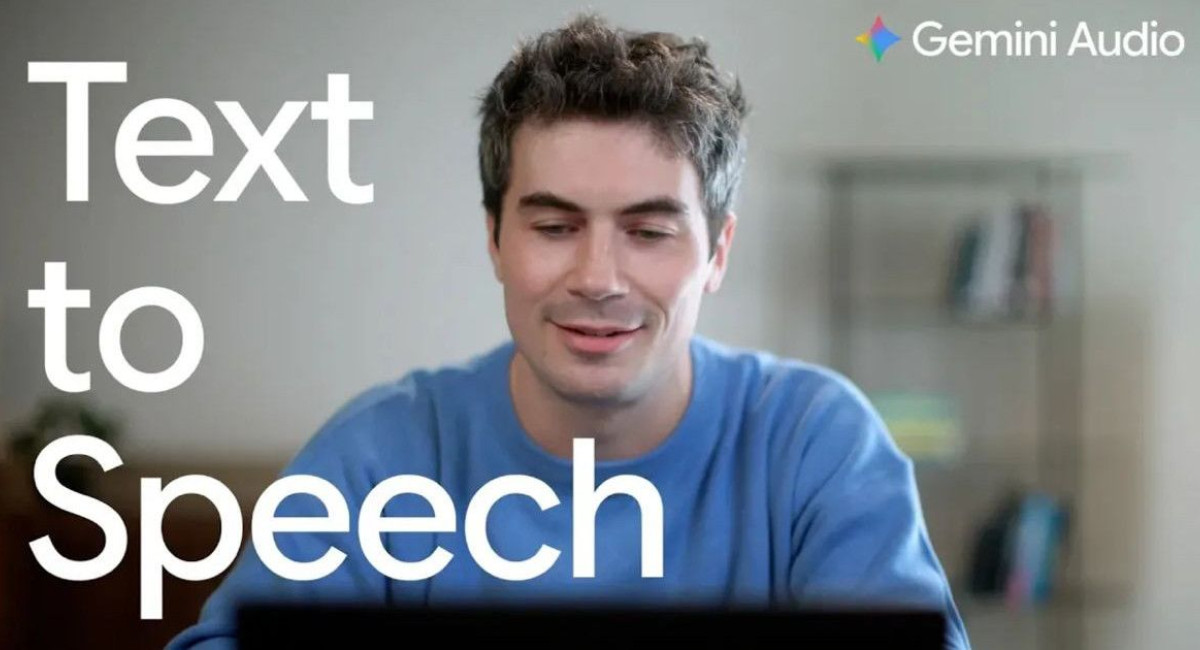
Google has officially introduced two groundbreaking text-to-speech models, Gemini 3.8 Flash TTS and Gemini 3.8 Flash-Lite TTS, significantly elevating the standard for synthetic voice creation and personalized audio generation. Designed from the ground up for developers, media producers, and interactive platform creators, these latest additions to the Google AI family offer unmatched control over vocal cadence, tonal inflection, and customized vocal architecture. The release marks a crucial milestone in shifting automated voice synthesis from robotic narration toward fully expressive, nuanced digital performance across global applications.
At the premium end, Gemini 3.8 Flash TTS caters to high-production environments that demand deep directorial nuance,such as narrative audiobooks, AAA video games, and immersive dynamic podcasts. Through natural language prompting,users can construct completely custom voice personalities without requiring pre-recorded sound libraries. Specifying instructions such as a high-energy broadcast host with a distinct Melbourne accent or a brooding mythical character with a deep gravelly pitch allows the system to construct realistic acoustic profiles instantly. Conversely, Gemini 3.8 Flash-Lite TTS provides a high-throughput, cost-optimized alternative tailored for scalable enterprise needs, including automated localization, corporate virtual agents, and real-time news aggregation.
Beyond raw prompt-based voice creation, the updated platform grants creators immediate access to an expansive catalog featuring more than 2,000 pre-built professional voices across 100 languages. This library supports specialized localized accents, such as Mexican Spanish or Quebecois French, facilitating effortless global distribution for international media campaigns. Google has also highlighted upcoming voice remixing capabilities, enabling users to fine-tune existing vocal properties with extreme precision. Creators will soon be able to alter properties like tone, pitch, and speed using simple text commands to tweak regional accents or soften delivery styles dynamically.
The platform also introduces sophisticated voice replication features, requiring as little as a 30-second audio snippet to construct an accurate voice clone. To safeguard against misuse and protect intellectual property, Google has integrated rigorous security protocols into the core workflow. Voice cloning mandates explicit verbal consent from the original speaker during data intake, protecting voice actors and public figures from unauthorized biometric scraping. Additionally,every synthetic audio output automatically incorporates imperceptible SynthID digital watermarking along with C2PA provenance metadata, allowing automated safety filters to reliably verify AI-generated content across digital platforms.
Advanced theatrical direction stands out as one of the most prominent technological leaps over legacy text-to-speech engines. Instead of processing plain text paragraphs linearly, creators can construct detailed scripts equipped with precise performance tags. The system processes line-by-line directorial notes, seamlessly integrating non-verbal acoustic elements such as subtle sighs, gasps, laughter, or interjections into the narrative flow. This organic integration eliminates mechanical pauses, producing authentic human-like conversational dynamics that remain stable even during lengthy storytelling sessions.
Furthermore, the Gemini 3.8 Flash TTS architecture natively handles multi-speaker dialogue sequencing within a single unified script. Developers can assign distinct voice profiles to individual lines, managing complex conversational exchanges without assembling fragmented audio files manually. Despite these capabilities, regional regulatory frameworks dictate the global deployment strategy. Owing to strict privacy mandates, the voice cloning functionality remains disabled across the European Economic Area, including Greece, ensuring full compliance with local biometric data rules while remaining accessible in supported global territories.
MORE NEWS FOR YOU