 Help & Support
 SEARCH
Sony doubles down on nostalgia with the Xperia 10 VIII
SHARE IT
Sony continues to chart its own course in the smartphone arena, adhering to an incremental hardware policy rather than chasing flashy, radical overhauls. The formal reveal of the Xperia 10 VIII underscores this stubborn design philosophy, offering a device that reads like a minor tune-up of its predecessor rather than a bold leap forward for the mid-range sector. While power-hungry buyers chasing raw benchmark performance might look elsewhere, the Japanese tech giant is deliberately catering to a loyal niche that values legacy hardware features long abandoned by the broader market.
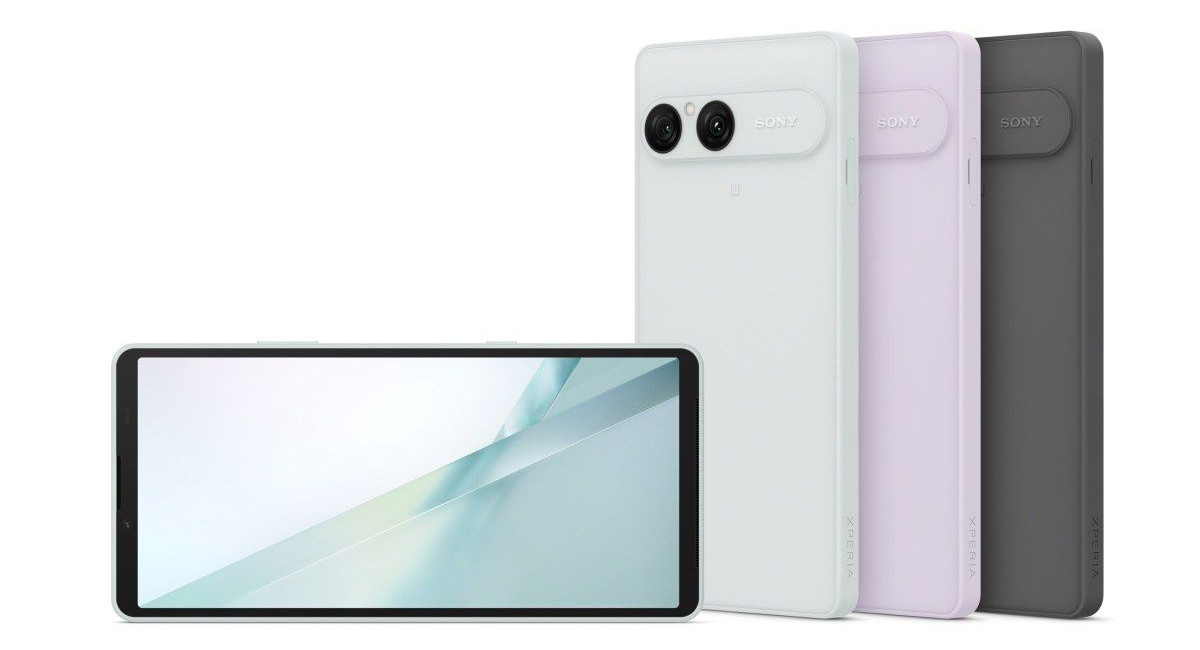
At first glance, the device retains the signature narrow form factor and tall silhouette characteristic of the series. The front panel houses a 6.1-inch LTPS OLED display with FHD+ resolution and a smooth 120Hz refresh rate. The headline upgrade here is a targeted 50% boost in peak screen brightness, addresssing outdoor legibility issues under harsh sunlight. Sony has also kept its traditional top and bottom bezels intact. Rather than aiming for an edge-to-edge look, these bezels house front-facing stereo speakers that deliver 30% more acoustic output, firing audio directly toward the user for an immersive listening experience without cluttering the side frames.
The choices under the hood represent the most controversial aspect of the package. Sony has opted to equip the handset with the aging Snapdragon 6 Gen 3 processor, paired with 8GB of RAM and 128GB of internal storage. In a price tier hovering near the 600-euro mark, where competitors regularly package Snapdragon 7-series silicon or entry-level flagship chips, this processing choice severely constrains performance for demanding multitasking and high-end gaming. It provides adequate horse power for everyday tasks running Android 16, but leaves little headroom for future-proofing heavy workloads over time.
Where the device truly stands out is its refusal to surrender features that audiophiles and power users hold dear. The inclusion of a dedicated microSD card slot allows users to expand their storage easily and affordably, maintaining massive local media libraries without relying on recurring cloud subscription fees. Furthermore, Sony continues to retain the 3.5mm headphone jack, freeing users from dongles and Bluetooth battery management. These inclusions make the smartphone a rare sanctuary for enthusiasts looking for expandable media and wired audio solutions in 2026.
Imaging duties rely on an identical setup lifted directly from the previous generation, featuring a dual-camera module anchored by a 50MP main sensor measuring 1/1.56 inches, alongside a 13MP ultrawide lens. The lack of a dedicated telephoto module forces users to rely on digital cropping for zoomed shots, a notable omission given the brand’s deep legacy in digital imaging. However, overall battery life promises to be a standout strength, thanks to a robust 5,000 mAh cell paired with an energy-efficient display and chipset. Charging speeds remain capped at a modest 30W, prioritizing long-term battery health over rapid replenishment cycles.
Rounding out the software experience, the handset ships with a clean, lightweight version of Android 16, free of unnecessary bloatware. Crucially, Sony has stepped up its long-term support promises by guaranteeing four major Android operating system upgrades. Set to hit store shelves between mid and late September 2026 at a retail price of 599 euros, the model faces a steep commercial hill to climb given its price-to-performance ratio, but its unique mix of classic features gives it a distinct identity.
MORE NEWS FOR YOU