 Help & Support
 SEARCH
The ultimate AI hub: Inside the OpenAI desktop super-app strategy
SHARE IT
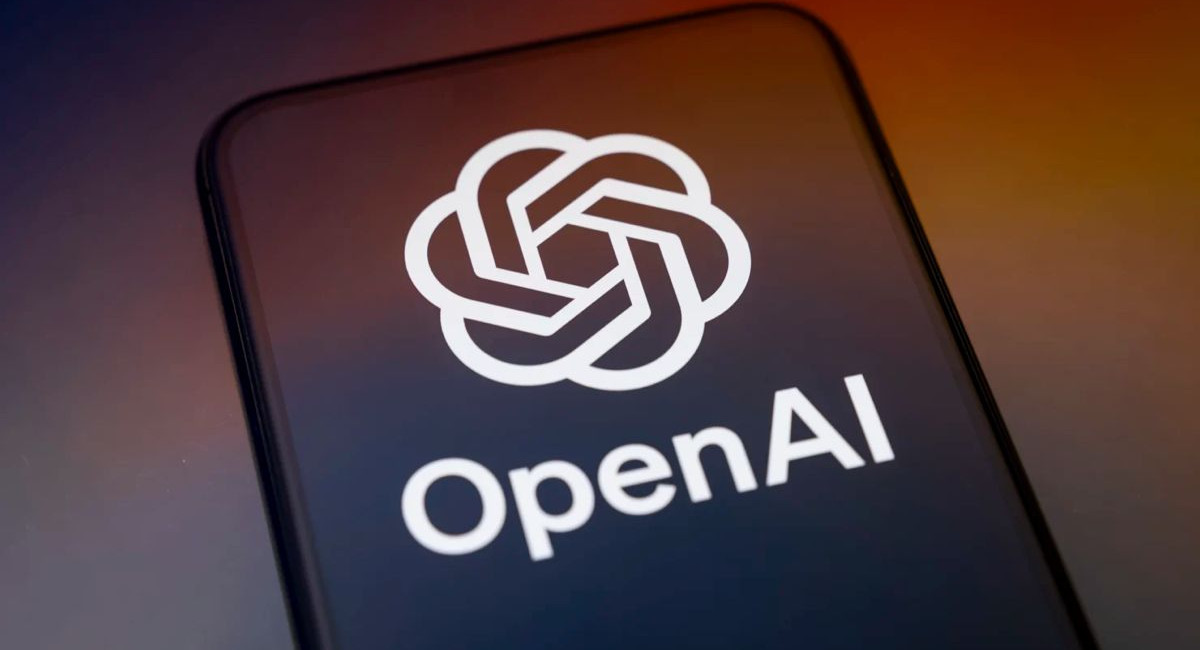
The technology industry is currently witnessing a massive structural shift as OpenAI embarks on an ambitious reorganization of its consumer and professional product ecosystem. According to recent industry reports, the artificial intelligence pioneer is actively developing a comprehensive desktop superapp designed to seamlessly merge its most powerful standalone tools. This upcoming platform will consolidate the conversational juggernaut ChatGPT, the sophisticated programming assistant Codex, and the newly introduced AI web browser Atlas into a single, unified application. This strategic consolidation aims to fundamentally redefine how professionals interact with their desktop computers, creating a centralized, highly intelligent hub for productivity, coding, and digital exploration.
Spearheading this massive integration effort is Fidji Simo, the Chief Executive of Applications at OpenAI. Internal communications and strategic leaks reveal a company that is laser focused on eliminating product fragmentation, a hurdle that leadership believes has recently become a bottleneck for both software quality and overall development speed. By advising engineering teams to abandon distracting side projects and secondary missions, Simo is steering the organization toward a highly unified vision. The underlying product philosophy is simple yet profoundly disruptive: rather than forcing users to juggle multiple isolated applications and constantly switch context between windows, OpenAI wants to provide a cohesive environment where artificial intelligence acts as an omnipresent, integrated collaborator.
To truly understand the magnitude of this superapp, one must carefully examine the individual pillars it seeks to unite. ChatGPT has already revolutionized natural language processing, transforming how millions handle daily administrative tasks, drafting, and creative brainstorming. Codex has simultaneously become an indispensable asset for software engineers globally, offering advanced code generation, automated debugging, and architectural suggestions. Meanwhile, Atlas represents OpenAI's bold and somewhat controversial foray into web navigation. Atlas transforms the traditional web browser into an intelligent agent capable of summarizing lengthy online content, conducting deep research, and autonomously executing complex internet workflows. Bringing these three digital heavyweights under one roof could exponentially amplify their individual strengths, creating a synergistic effect that no current software suite can match.
The true magic of this upcoming desktop platform lies in its deeply integrated agentic artificial intelligence capabilities. Imagine a modern workplace scenario where a user asks the superapp to research a specific financial market trend using the Atlas browser, synthesize those diverse web findings via ChatGPT into a coherent executive summary, and immediately write a custom Python script to scrape similar market data using Codex. In this new paradigm, all of these steps occur sequentially and autonomously without the user ever needing to switch applications or manually transfer data. This unprecedented level of interoperability promises to eliminate the daily friction of modern digital work, allowing the superapp to effectively act as a highly skilled digital chief of staff that fully understands the context of a user's entire workflow.
OpenAI's pivot toward a unified desktop experience does not happen in a vacuum, nor is it merely an exercise in aesthetic software design. The artificial intelligence sector is currently experiencing a period of cutthroat competition, with well funded rivals rapidly deploying sophisticated tools aimed squarely at enterprise and professional power users. Anthropic, for instance, has recently gained significant traction with its own coding solutions, directly challenging OpenAI's long standing dominance in the developer space. Furthermore, legacy technology giants are continuously and aggressively embedding artificial intelligence into their established operating systems and traditional productivity suites. To maintain its absolute leadership position, OpenAI must prove that its ecosystem is not just computationally powerful, but also the most intuitive, streamlined, and efficient option available on the market.
Interestingly, reports clearly indicate that this superapp will remain entirely distinct from the mobile iteration of ChatGPT. This conscious separation highlights OpenAI's deep recognition of the fundamentally different ways human beings utilize various computing devices. Mobile phones are largely used for quick queries, communication, and on the go assistance. Desktop computers, however, remain the primary battleground for heavy duty professional work, intricate programming, and deep analytical research. By tailoring this massive, resource intensive application specifically for desktop operating systems, the company ensures that it caters directly to power users who require robust performance, rapid processing, and expansive screen real estate to manage their most demanding tasks.
As with any platform that seeks to centralize a vast amount of user data and daily activity, privacy and digital security will inevitably become paramount concerns. An application that continuously observes your proprietary coding, manages your private web browsing, and handles your most confidential queries requires an unprecedented and fragile level of user trust. OpenAI will need to implement foolproof, transparent safeguards to assure enterprise clients and individual users alike that their sensitive professional and personal information remains completely secure from external breaches or unwanted training data scraping. If the company can successfully navigate these complex security challenges while delivering on its promises of seamless integration, the launch of this superapp could mark a definitive turning point in human computer interaction, officially transitioning artificial intelligence from a discrete digital tool into the very operating system of our modern professional lives.
MORE NEWS FOR YOU