 Help & Support
 SEARCH
ChatGPT turns into fitting room with AI virtual try-ons
SHARE IT
Online fashion retail is undergoing a massive shift as OpenAI rolls out groundbreaking shopping capabilities within ChatGPT. The artificial intelligence ecosystem is expanding beyond conversational queries and web research, directly tackling one of the biggest friction points in e-commerce: knowing how a garment will actually look on a customer before they hit the buy button. By pairing advanced visual generation with a centralized product bookmarking system, the popular chatbot is positioning itself as a comprehensive digital shopping assistant.
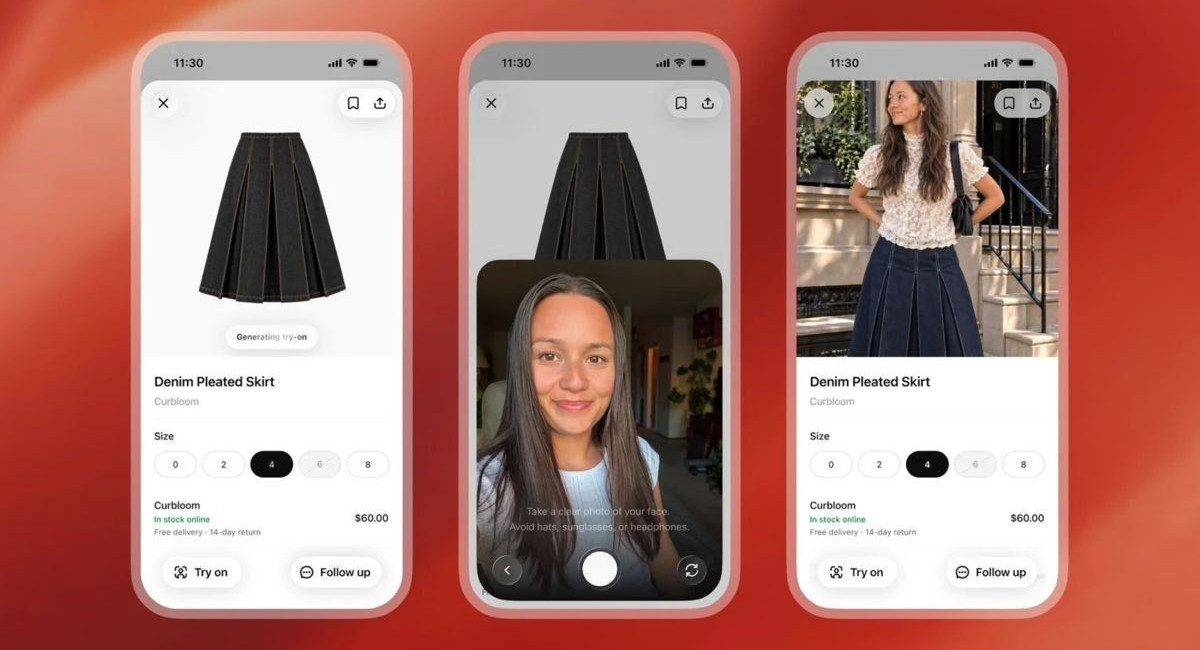
Building upon its earlier research-focused commerce tools, OpenAI has introduced a Virtual Try-On feature that seamlessly renders apparel onto individual users. The process eliminates the traditional guesswork of internet clothes shopping. Consumers can upload a standard smartphone selfie or a full-length portrait into the system, which serves as a personal reference image. When browsing supported online stores or checking out product listings, users simply submit a quick screenshot of a dress, shirt, or pair of glasses. The underlying platform then superimposes the item onto the user with remarkable precision.
At the heart of this feature is ChatGPT Images 2.5, OpenAI’s latest image generation model. Unlike earlier iterations that often produced distorted proportions or uncanny visual artifacts, this upgraded engine deeply understands spatial geometry, realistic lighting, and fabric behavior. The software realistically calculates how materials drape, crease, and reflect light across various body shapes. Crucially, the system preserves the user's authentic facial identity and physical proportions, producing an accurate visual preview rather than an over-stylized digital avatar.
To address privacy concerns tied to personal image uploads, OpenAI has built dedicated user controls. Shoppers can securely store a default reference photo within the platform to streamline future virtual fitting sessions, avoiding the need for repeated uploads. However, total authority remains in the hands of the user, who can modify, update, or permanently erase their visual data at any time through the app’s privacy settings.
Alongside visual try-ons, OpenAI is tackling the chaotic state of digital product discovery with a brand-new Favorites feature. Online shoppers frequently struggle with browser tab clutter, forgotten links, and scattered wishlists across dozens of store accounts. The new capability integrates directly into the ChatGPT Library, allowing users to save prospective purchases into organized, custom folders sorted by category, occasion, or budget.
What sets this bookmarking hub apart is its ability to archive not just retailer links and price comparisons, but also the generated virtual fitting images. Shoppers can curate a fully tailored digital wardrobe that remains synchronized across all their devices. By consolidating price tracking, visual fitting history, and deep research into a single conversational platform, OpenAI is taking direct aim at competitors like Google, steadily transforming ChatGPT into an all-in-one shopping destination.
MORE NEWS FOR YOU