 Help & Support
 SEARCH
WhatsApp phashes out six digit PINs in favor of full passwords
SHARE IT
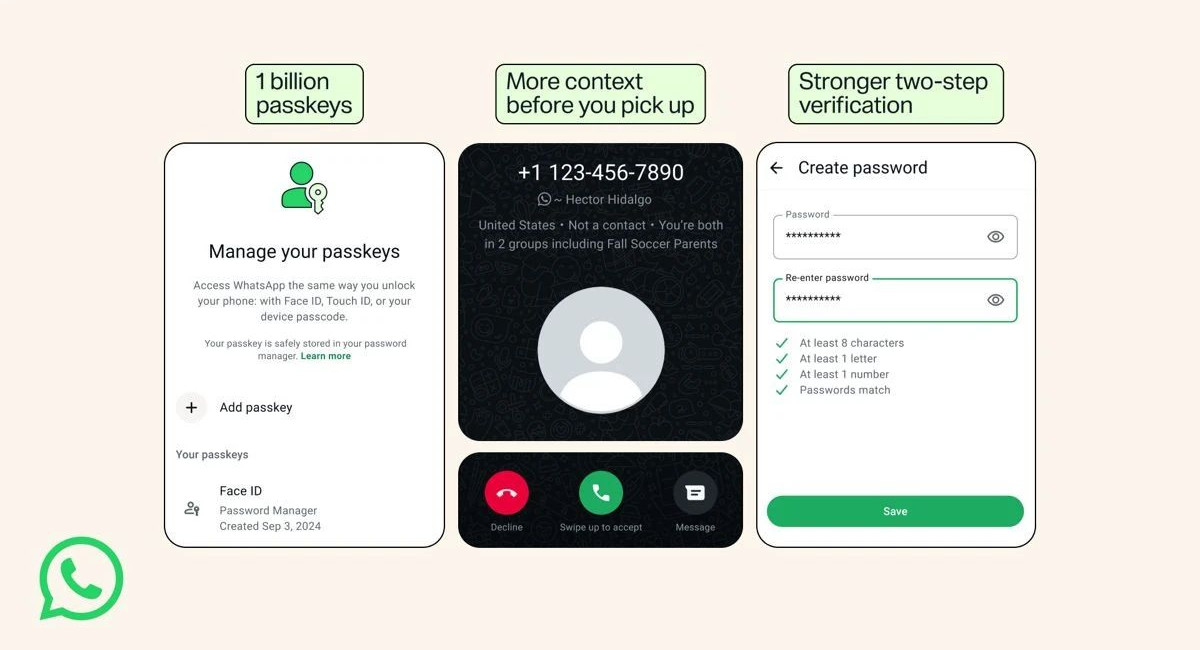
Major technology platforms are continuously forced to re-evaluate legacy defense mechanisms to protect user data from evolving digital threats. In line with these modern standards, Meta has announced a substantial upgrade to the authentication engine powering WhatsApp. The company is replacing the traditional six-digit numerical PIN used in two-step verification with full, complex passwords. First spotted across recent beta releases on iOS and Android platforms, the feature is scheduled for a broader global rollout in the coming weeks. This shift allows users to configure complex credentials containing uppercase and lowercase letters, numbers, and special symbols, creating a formidable barrier against unauthorized access attempts.
Until now, enforcing two-step verification on WhatsApp meant setting up a brief six-digit numerical code. Users were prompted to enter this code when registering their phone number on a new mobile device, as well as during periodic security checks while actively using the application. While this mechanism provided a baseline level of protection, its reliance on digits alone left accounts vulnerable to targeted attacks. Bad actors could exploit SIM swapping techniques to intercept SMS verification codes and subsequently attempt to crack simple numerical PINs. By adopting full passwords, WhatsApp elevates its security standards to match those used in banking and critical enterprise applications. The added complexity renders brute-force automated attacks and random guessing mathematically improbable, while seamless integration with modern password management tools simplifies credential storage for power users.
Meta chose to implement this core architectural shift largely due to the alarming rise in sophisticated social engineering schemes. Fraudulent operators frequently impersonate support staff or trusted acquaintances, tricking victims into handing over six-digit confirmation codes under the guise of identity verification or billing cancellations. Because average users are accustomed to sharing brief numeric codes, they often fall into these traps without recognizing the danger. Transitioning to a lengthy password, similar to those securing primary email accounts, creates a psychological shift. Users instinctively treat robust passwords with far greater caution, making them significantly less likely to disclose credentials to deceptive third parties.
Alongside password support, Meta is overhauling the account recovery procedure to address potential lockouts.Restoring access following a forgotten password will require strict identity verification through a linked email address.To ensure end-to-end privacy, the application encrypts the email address locally on the user's device before transmitting the payload to central servers for verification. Through these combined measures, WhatsApp aims to mitigate takeover risks and reinforce the integrity of its messaging ecosystem.
MORE NEWS FOR YOU