Help & Support
SEARCH
Xiaomi maps out aggressive Android 17 rollout with HyperOS 4
SHARE IT
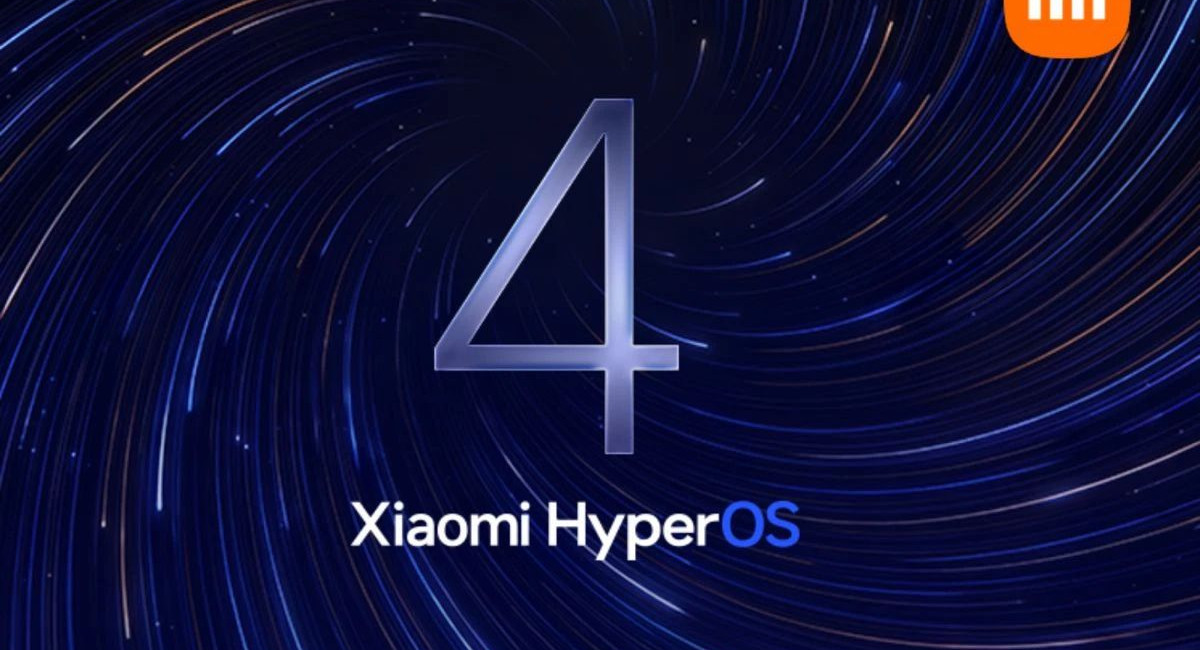
The wait is finally over for millions of Xiaomi users worldwide. The Chinese tech giant has officially unveiled its global deployment schedule for HyperOS 4, its latest proprietary software interface built directly on top of Google’s Android 17. Rather than dragging out the transition across multiple quarters, the company is executing an accelerated rollout strategy concentrated heavily in November and December 2026. This rapid timeline underscores Xiaomi's ongoing commitment to delivering timely software support across its expansive ecosystem of smartphones and tablets,encompassing the core Xiaomi lineup alongside its Redmi and POCO sub-brands.
The initial wave of updates is slated to commence in early November 2026, naturally prioritizing the manufacturer's newest and most powerful flagship hardware. Leading the charge is the entire Xiaomi 17 lineup, which includes the standard variants, the Xiaomi 17T models, and the top-tier Xiaomi 17 Ultra, arriving alongside the Xiaomi 15 series.However, Xiaomi is not leaving its massive mid-range user base waiting in the wings. Right from day one, the popular Redmi Note 17 family—spanning from the base model up to the Pro Max 5G—and the Redmi Note 15 series are included in the first tier. POCO is matching this aggressive pace, with devices such as the POCO F8 Ultra, POCO X8 Pro, and POCO M8 Pro set to receive the over-the-air update within the exact same window, alongside the Redmi 17,Redmi 15, POCO C85, POCO C95 Pro, and the Xiaomi Pad 8 series.
As the calendar moves into mid-November, the HyperOS 4 rollout will broaden significantly to capture the core commercial drivers of Xiaomi’s global sales. This second phase brings the Xiaomi 15T and Xiaomi 15T Pro into the fold, while POCO expands its eligible roster to include the POCO F9, POCO F7, and POCO X7 series. Tablet owners are also well-represented during this stage, with installation prompts scheduled to arrive on the Xiaomi Pad 7 series,Xiaomi Pad Mini, Redmi Pad 2 series, Poco Pad X1, and Poco Pad M1. Deploying the software in staggered phases allows Xiaomi’s engineering teams to closely monitor system stability in real-world conditions, ensuring any unforeseen bugs are isolated before reaching millions of devices simultaneously.
The third and decisive phase of the global deployment will peak in December 2026, extending Android 17 support to the company's previous-generation flagships and foldable hardware. Notably, the Xiaomi MIX Flip, the entire Xiaomi 14 and Xiaomi 13 series, and their respective T-branded counterparts will officially transition to the new operating system before the year concludes. The December wave also casts a wide net over budget and mid-range favorites,bringing updates to the Xiaomi Pad 6S Pro 12.4, Redmi Note 14 series, Redmi 14S, Redmi A7 Pro, POCO F6 series,POCO X8s, POCO X6 Pro, POCO M8s 5G, POCO M7, POCO C81 Pro, and the Poco Pad C1.
Beyond the sheer speed of the rollout, HyperOS 4 represents a substantial leap forward in both visual design and under-the-hood engineering. Anchoring the user experience is a fresh design language dubbed Soft Light Glass, which introduces translucent textures, lighter visual elements, and greater aesthetic cohesion across system menus and dialogue boxes. Developers have also reimagined how users interact with glanceable information on their home screens, introducing a smart widget-stacking mechanism that maximizes screen real estate without sacrificing immediate access to live data. Furthermore, the lock screen has undergone a comprehensive overhaul, granting users deep customization over typography, clock layouts, and dynamic wallpapers that intelligently adapt to ambient lighting conditions.
Underneath the polished surface, the Android 17 foundation equips HyperOS 4 with sophisticated background resource management and power optimization tools. These enhancements translate into noticeably smoother multitasking between demanding applications and measurable gains in daily battery endurance. Security and data privacy remain central pillars of the update as well, providing users with granular control over third-party application permissions in full compliance with stringent European data protection regulations.
MORE NEWS FOR YOU