Help & Support
SEARCH
Xiaomi tears down the walled garden with direct iOS integration
SHARE IT
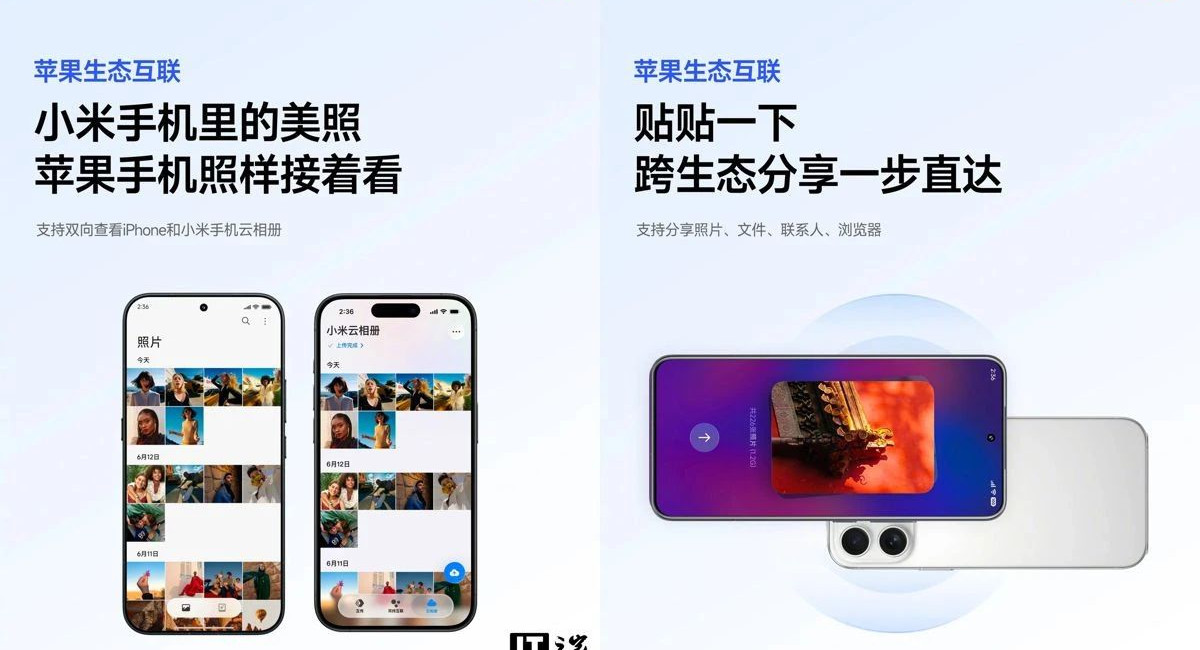
The longstanding technological divide between mobile ecosystems has finally begun to crumble as manufacturers acknowledge that modern users rarely commit to a single brand. In an unexpected strategic pivot, Xiaomi has unveiled HyperOS 4, introducing deep two-way integration designed specifically to bridge the gap between Android and Apple devices. Rather than forcing consumers to navigate third-party applications or complicated workarounds, the Chinese tech giant is deliberately reaching across the aisle to establish direct interoperability with iOS, macOS, and iPadOS.
At the heart of this initiative is a unified framework that enables seamless exchange of media, contacts, documents, and web links between Xiaomi handsets and iPhones. Users are no longer isolated within their native operating system, as the platform supports bidirectional cloud gallery synchronization, giving owners of both platforms real-time visibility and access to their photo albums. Furthermore, notification management and immediate reply capabilities ensure that messaging across ecosystems feels native, addressing one of the most persistent pain points for multi-device households.
Beyond mobile-to-mobile data transfer, Xiaomi has also tackled the desktop experience through its Mi Connect Desktop application. Mac and iPad owners can now take total control of their Xiaomi smartphone directly from their Apple displays. The utility offers fluid windowed screen mirroring, enabling users to interact with their Android apps via standard keyboard and mouse inputs. Moving assets between systems has been simplified to an intuitive drag-and-drop gesture, echoing the convenience of platforms like Microsoft Phone Link while audaciously setting foot directly inside the notoriously protective macOS environment.
From an engineering perspective, establishing such a bridge required bypassing proprietary protocols like AirDrop,which Apple strictly confines to its own product lineup. To circumvent these restrictions without violating security standards, HyperOS 4 combines Bluetooth Low Energy for rapid initial handshakes with direct Wi-Fi protocols for high-bandwidth transmissions. This design allows heavy payloads, including high-resolution video recordings, to move quickly between hardware without triggering excessive battery drain or requiring intermediary cloud servers. Xiaomi maintains that end-to-end encryption secures all active data channels, protecting sensitive communications and transferred media throughout the process.
This calculated ecosystem expansion comes at a time when consumer demand for hardware flexibility has reached an all-time high. By acknowledging that an individual might carry a flagship Android phone alongside a Mac workstation or an iPad tablet, Xiaomi is turning interoperability into a competitive advantage. Rather than trying to lock customers inside a walled compound, the brand is positioning its hardware as a versatile companion to whatever technology consumers already own.
The debut of HyperOS 4 took place alongside the release of the flagship Xiaomi 18 Pro Max, where the cross-platform toolset was first demonstrated in real-world conditions. Following that initial rollout, a broader deployment is scheduled to commence on October 15, expanding progressively to include older compatible handsets across the company catalogue.
MORE NEWS FOR YOU