 Help & Support
 SEARCH
YouTube unleashes next-generation AI tools to revolutionize personalized viewing
SHARE IT
YouTube is rolling out a sweeping suite of generative artificial intelligence capabilities aimed at overhauling how audiences discover, consume, and engage with online video. Announced during the annual Made by YouTube presentation, the incoming lineup of features represents a decisive shift toward deep personalization, interactive e-commerce, and friction-free global communication. Driven by Google’s advanced large language models, the updates transform the classic streaming layout into an adaptable, user-driven ecosystem designed to maximize viewer engagement across mobile devices, desktop screens, and connected televisions.
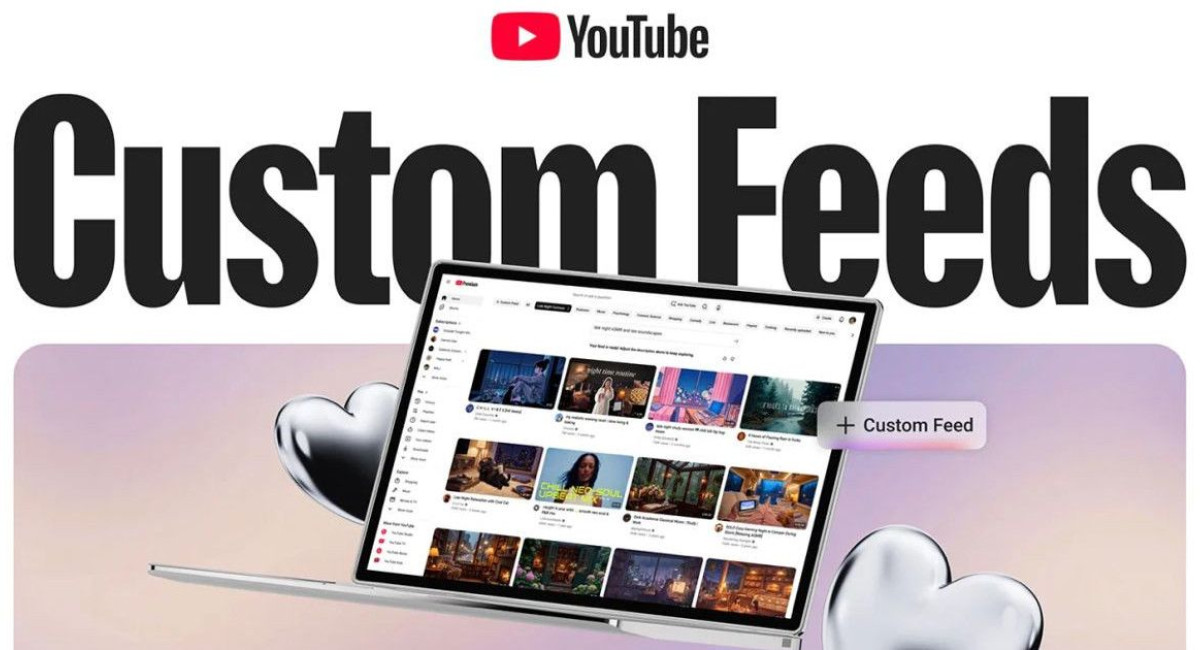
At the center of this transformation is the introduction of Custom Feeds, a tool that effectively grants viewers direct control over YouTube’s recommendation architecture. Rather than relying solely on default algorithmic predictions that often prioritize broadly popular material, users can now input precise natural language prompts to curate hyper-focused video tabs on their home screens. A viewer seeking a niche viewing experience—such as a dedicated feed for ambient restoration projects featuring no background music—can generate a permanent, specialized channel with a single written request. Rolling out initially across mobile, web, and smart TV platforms in the United States, this capability empowers audiences to dictate their own programming schedules based on specific moods, educational interests, or micro-genres.
Simultaneously, YouTube is taking aim at changing narrative formats and modern communication habits within its main interface and short-form video sector. To streamline audience participation, the platform is introducing an integrated GIF library directly into the comments section, alongside voice-to-text dictation functionality for smart TV users to replace cumbersome remote-control typing. On the content creation front, YouTube Shorts is adopting an episodic structure tailored specifically for microdramas and serialized short-form storytelling. Creators will be able to organize consecutive clips into structured series complete with custom thumbnails, making it significantly easier for audiences to navigate sequential narratives without getting lost in an algorithmic feed.
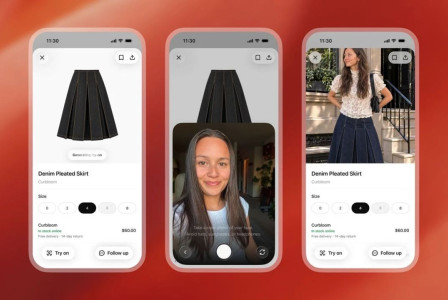
Interactive shopping is also receiving a substantial AI upgrade through the expanded Ask YouTube tool. Leveraging computer vision and conversational AI, the assistant can now analyze visual elements within a video frame, identifying items even if the creator does not explicitly tag or mention them. Viewers watching a vlogger or technical review can query the assistant about specific accessories, setup equipment, or apparel appearing on screen. The system generates real-time product comparisons, detailed specifications, and direct purchase links, maintaining conversational context as users navigate between search results and the main video player.
The platform's audio ecosystem is undergoing a parallel evolution through dedicated updates to YouTube Music and podcast discovery. Subscribers gain access to Ask Music, an interactive feature allowing listeners to modify playlists and explore detailed artist backstories using conversational prompts. Complementing this is Podcast Lineup, a GenAI tool that generates automated weekly audio overviews, helping users sample emerging shows before committing to full episodes. Looking further ahead, YouTube has also outlined plans for Live Auto-Dubbing, a real-time translation system scheduled for trial testing in early 2027, which promises to eliminate language barriers across global live broadcasts.
MORE NEWS FOR YOU