 Help & Support
 SEARCH
A reprieve for wearables: Why the EU is backing down on smartwatch batteries
SHARE IT
The European Union has long been a pioneer in pushing tech conglomerates toward sustainability, most notably with its sweeping legislative frameworks aimed at curbing electronic waste. At the heart of this green transition was a mandate requiring portable electronic devices sold within the European market to feature easily removable and user-replaceable batteries. The rule was designed to prevent perfectly functional hardware from being discarded simply because its power source had degraded over time. However, acknowledging the practical and technical hurdles of forcing this design philosophy onto every single gadget, the European Commission has officially altered its course by carving out significant exceptions for specific product classes.
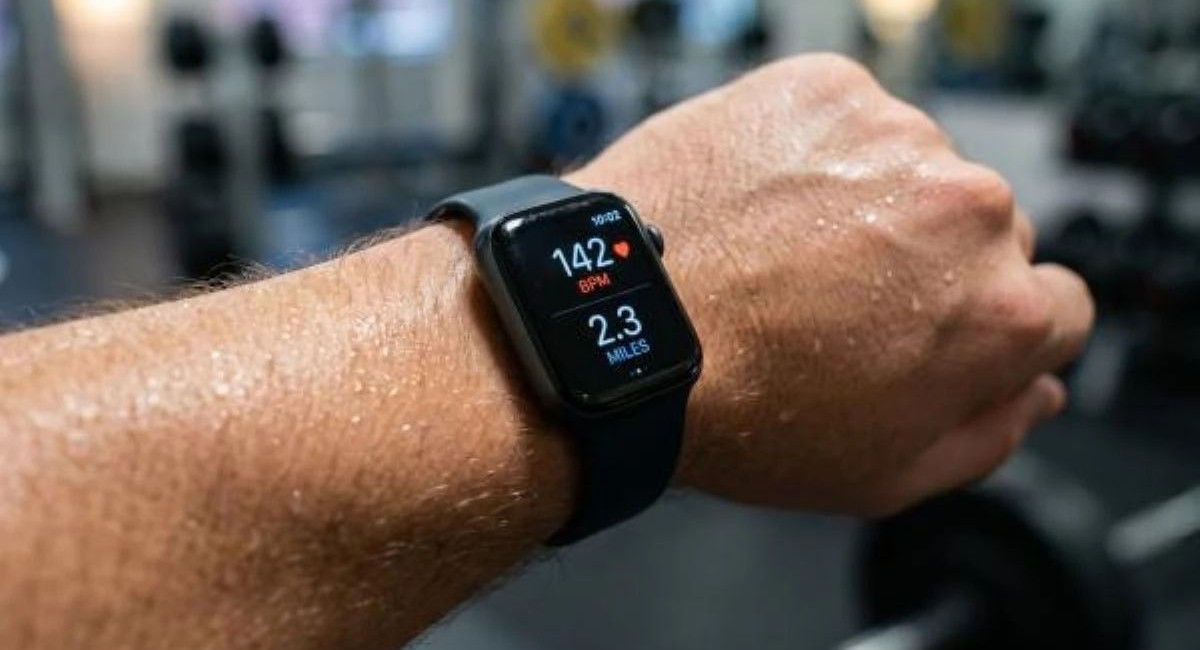
According to a newly adopted delegated act by the European Commission, a total of six new product categories have been officially exempted from the strict user-replaceable battery mandate. Among the most notable additions to this list are wearable devices, a broad classification that explicitly covers smartwatches, fitness bands, and smart glasses. This development comes as a major victory for major tech players like Apple, Google, Samsung, and Meta, who were previously facing the daunting prospect of fundamentally re-engineering some of their most popular consumer hardware to comply with European laws before the looming 2027 deadline.
The reasoning behind this regulatory pivot is rooted in the physical realities of modern product design. European authorities clarified that forcing miniaturized and tightly packed accessories to feature user-accessible compartments could severely compromise their core functionality. For devices like smartwatches and fitness trackers, opening up the chassis to allow an untrained consumer to swap a battery would likely destroy structural integrity, undermine essential water resistance, and diminish overall durability. Furthermore, the sheer level of hardware miniaturization in these gadgets means that a user attempting a manual replacement could easily puncture or damage a delicate lithium-ion cell, presenting a very real safety and fire hazard.
Consequently, these types of wearables have been categorized alongside what the regulatory framework describes as wet appliances—such as electric toothbrushes and water flossers—which already enjoy exemptions due to the hazardous mix of water and electricity. While consumers will not be able to pop open their Apple Watch or fitness tracker at home with basic household tools, the legislation does not give manufacturers a complete pass on sustainability. The exemption simply dictates that the battery does not need to be user-replaceable. Instead, the serviceability requirements shift to a professional standard, meaning that independent repair technicians and certified experts must still be able to replace the battery safely without rendering the device useless.
This regulatory adjustment highlights the delicate balancing act the European Commission must perform as it rolls out its comprehensive Batteries Regulation, part of the broader European Green Deal. In drafting these amendments, policy makers had to weigh the environmental goals of a circular economy against the technical constraints faced by product and battery manufacturers, as well as safety feedback from third-party repairers and consumer associations. The ultimate goal remains focused on expanding product lifespans and boosting recycling efficiency, but the EU has demonstrated a willingness to adapt its rules when a blanket policy threatens to stifle innovation or create consumer safety risks.
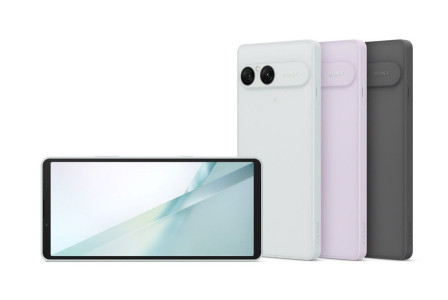
Looking ahead, the legislative path for this amendment is nearly complete but still requires a final administrative step. Following its adoption by the Commission, the act has been forwarded to both the European Parliament and the Council of the EU for thorough scrutiny. Barring any unexpected formal objections from these governing bodies, the new exemptions will officially enter into force just 20 days after their eventual publication in the Official Journal of the EU. This timeline provides much-needed legal clarity for the tech industry, ensuring that while smartphones and tablets must still comply with the strict user-replaceable standards by February 2027, the next generation of wrist-worn wearables can maintain their sleek, water-resistant designs.
MORE NEWS FOR YOU