 Help & Support
 SEARCH
Alien: Isolation sequel is teased by Creative Assembly
SHARE IT
The long-standing silence surrounding one of the most acclaimed survival horror experiences in gaming history has finally been shattered. Creative Assembly, the visionary studio behind the 2014 masterpiece Alien: Isolation, has released a cryptic teaser that effectively signals the return of the Xenomorph. For more than a decade, fans of the franchise have lived in a state of perpetual anticipation, wondering if they would ever again step into the shoes of the Ripley lineage to face the ultimate organism. Now, twelve years after Amanda Ripley first navigated the claustrophobic corridors of the Sevastopol station, the developers have confirmed that the nightmare is far from over.
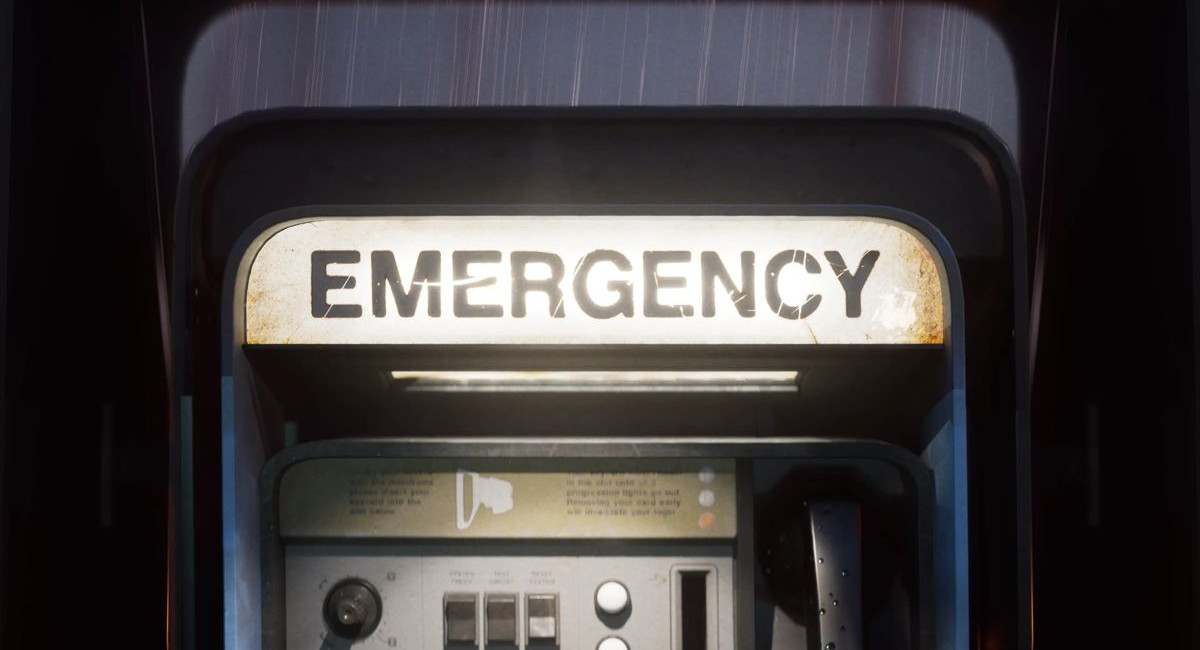
The teaser, titled False Sense Of Security, offers a brief but chilling glimpse into what the future holds for the series. While it spans only twenty-five seconds, every frame is meticulously crafted to evoke a sense of dread. The footage depicts a heavy, industrial-grade door grinding open, revealing a rain-slicked landscape that feels worlds away from the sterile, metallic environment of the first game. In the distance, an weathered pay phone stands as a lonely sentinel, while a sudden cut reveals the word Emergency etched into its casing. This shift in scenery suggests that Creative Assembly might be moving away from the orbital isolation of a space station in favor of a terrestrial, perhaps even more expansive, planetary setting.
The original Alien: Isolation was a landmark title for Sega, selling over two million copies in its first year and earning a reputation as arguably the most faithful adaptation of the Alien cinematic universe. By focusing on a single, near-invincible predator rather than waves of enemies, it captured the tension of Ridley Scott’s 1979 film with surgical precision. The protagonist, Amanda Ripley, was driven by the search for her missing mother, Ellen Ripley, leading players through a harrowing game of cat-and-mouse where stealth and resource management were the only tools for survival. The success of the game was not just commercial but cultural, setting a new gold standard for the horror genre.
For years, the prospect of a sequel seemed uncertain as Creative Assembly focused its immense talent on the Total War series. However, the internal desire to revisit the world of Alien never truly faded. The project is currently being spearheaded by Al Hope, the creative director of the original game, who has described this new endeavor as a dream project for the entire team. His involvement provides a significant level of reassurance to the community, suggesting that the sequel will retain the atmospheric integrity and mechanical depth that made its predecessor a modern classic.
While technical details remain shrouded in mystery, the transition to a planetary surface could signal a significant evolution in gameplay. Just as the film franchise moved from the confined halls of the Nostromo to the terraformed colonies of LV-426 in Aliens, the gaming sequel may be preparing to broaden its horizons. The presence of rain and industrial structures hints at a living, breathing world, yet the core DNA of the series—vulnerability, atmosphere, and the constant threat of the unknown—appears to remain intact.
As the industry prepares for a full reveal, the teaser serves as a stark reminder that in the world of Alien, some shadows never truly disappear. The return of the Xenomorph is no longer a matter of speculation but a looming reality. For those who survived the horrors of Sevastopol, the call of the emergency phone is a signal that the hunt is about to begin once more.
MORE NEWS FOR YOU