 Help & Support
 SEARCH
Android and iPhone chats enter a new era of privacy
SHARE IT
The longstanding divide between mobile ecosystems has finally blurred where it matters most: user privacy. In a major technological shift, a universal upgrade is arriving for cross-platform communication. Apple and Google have initiated the official rollout of end-to-end encryption for Rich Communication Services, commonly known as RCS, covering text conversations between Android and iPhone users. This landmark development ensures that the two dominant operating systems can protect everyday text messages from outside interception, addressing a vulnerability that has persisted for over a decade.
For years, the experience of texting someone on a different operating system felt like stepping backward in time. While Android-to-Android conversations inside Google Messages enjoyed full encryption, and iPhone-to-iPhone iMessage threads were similarly locked down, cross-platform texts routinely defaulted to outdated SMS and MMS standards. This meant that any message traversing the cellular divide was transmitted in plain text, leaving it vulnerable to being monitored or intercepted by wireless carriers, data brokers, or malicious actors.
The newly deployed system dismantles this security gap by implementing encryption directly at the standards level. Rather than relying on a proprietary third-party application, the protection is baked into the standard communication protocol governed by the GSMA. This achievement is the result of a coordinated, cross-industry initiative led by Apple and Google to modernize mobile communication worldwide. By upgrading the core infrastructure, the companies have established a new baseline expectation for mobile data privacy that does not require users to install additional software.
The technical execution relies on the newest iterations of the mobile operating systems and messaging frameworks. The secure rollout has commenced in a beta capacity for iPhone users utilizing iOS 26.5 alongside a supported telecommunications network, and Android users operating the most recent distribution of Google Messages. Security is configured to be active by default, meaning that eligible conversations will transition into the encrypted environment automatically without requiring manual adjustment from the participants.
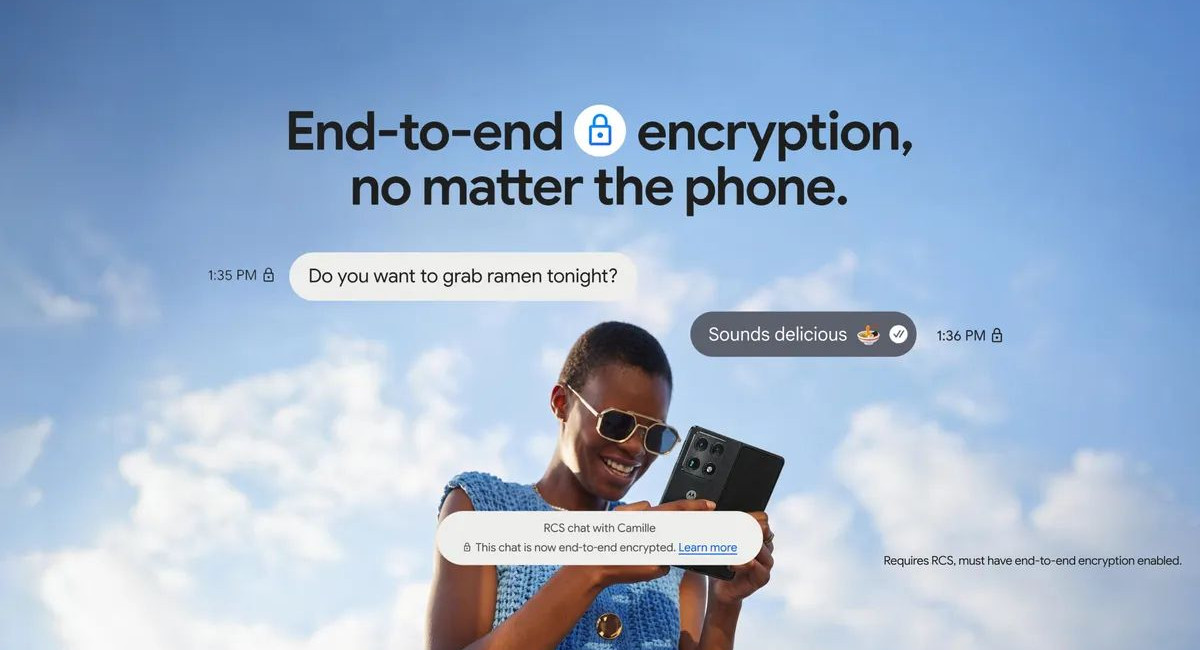
From a practical perspective, users will receive immediate visual confirmation when their messages are secured. A distinct lock icon will appear within the chat window, serving as verification that the specific conversation is fully protected. When this protocol is active, the content of the transmission is encoded from the moment it leaves the sender device until it arrives at the intended recipient. Consequently, neither Google, Apple, nor intermediate network providers retain the ability to decrypt or read the communication.
This security advancement builds directly upon a previous wave of modernization. The initial integration of RCS already provided substantial interface upgrades over traditional texting, including high-resolution media sharing, real-time typing indicators, read receipts, and more stable group chat management. Injecting end-to-end encryption into this existing infrastructure provides the final, essential element of a modern chat application, successfully bridging the gap between convenience and defensive data privacy.
As the deployment continues to expand globally, the automated activation will gradually encompass both newly initiated threads and pre-existing chat histories. This cross-platform integration marks the conclusion of a prolonged era of unencrypted carrier messaging, demonstrating that industry rivals can collaborate effectively when the fundamental security of global smartphone users is at stake.
MORE NEWS FOR YOU