Help & Support
SEARCH
ChatGPT unlocks official iCloud Mail and Calendar integration
SHARE IT
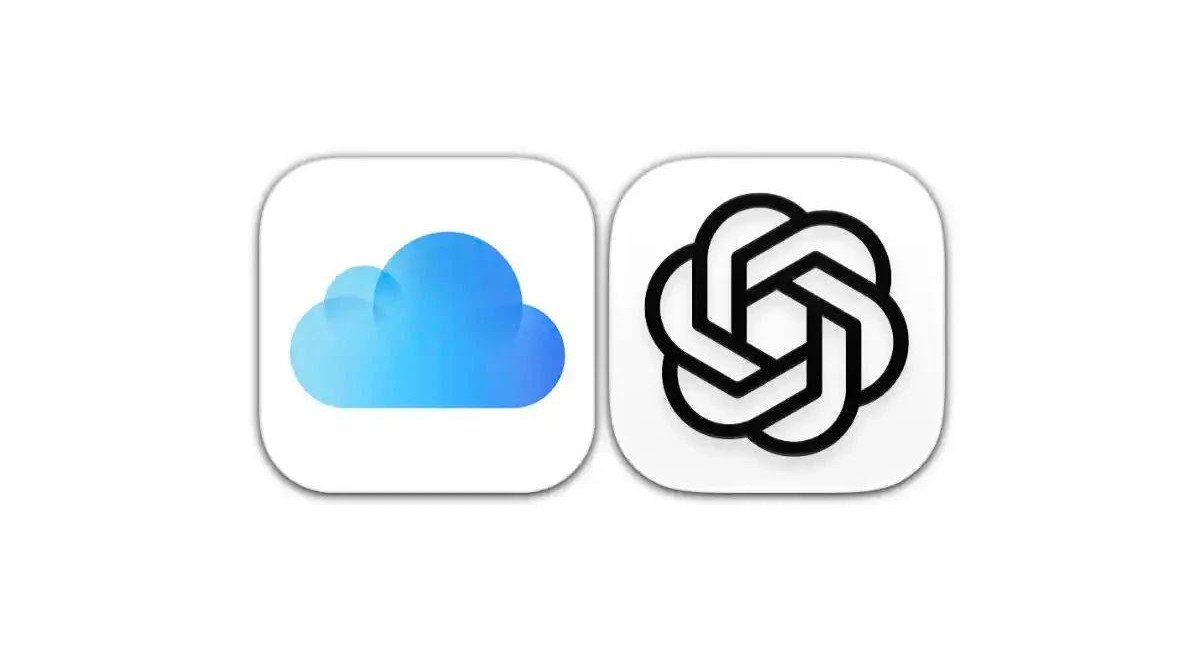
Artificial intelligence is taking a decisive step toward becoming a truly practical personal assistant, as OpenAI has officially rolled out dedicated plugins for iCloud Mail and iCloud Calendar within ChatGPT. By establishing a direct bridge into the Apple ecosystem, the popular chatbot can now read, analyze, and actively manage users' emails and daily schedules. The update is rolling out globally across all subscription tiers, bringing seamless cross-platform functionality to the web interface, desktop clients, and the iOS mobile app.
For everyday users, this integration eliminates the constant friction of switching between multiple productivity apps to execute routine administrative tasks. Instead of manually sifting through an inbox and cross-referencing dates, a user can now instruct ChatGPT to locate an email thread from the previous week regarding a business meeting, summarize the key takeaways, check for open time slots, and automatically schedule the event on their Apple calendar. Specifically, the Mail plugin grants the AI the ability to scan incoming messages, filter correspondence by specific senders, generate email drafts, and even send replies directly. Meanwhile, the Calendar plugin allows users to read, create, and modify scheduled events through natural conversational prompts, mirroring the workflow of a human executive assistant.
However, users should note a strict technical boundary regarding account compatibility. The integration operates exclusively via Apple's native servers rather than locally on the user's device, meaning it only recognizes official Apple domains ending in @icloud.com, @me.com, and @mac.com. Consequently, if a user has linked third-party email providers—such as Gmail or Microsoft 365—into the native Apple Mail app on their iPhone or Mac, ChatGPT will remain completely blind to those accounts and cannot manage their data through these plugins.
To address potential privacy concerns, OpenAI and Apple have implemented a strict security protocol that keeps a user's primary Apple Account credentials completely isolated from the AI. Users are strictly barred from entering their main Apple password into ChatGPT. Instead, activating the feature requires logging into account.apple.com—with two-factor authentication enabled—navigating to the Sign-In and Security section, and generating an App-Specific Password. This unique credential acts as a dedicated key for ChatGPT, ensuring the user retains total administrative control. Should a user decide to disconnect the service or notice any irregular activity, revoking that specific password instantly cuts off ChatGPT's access to their personal data without compromising the broader Apple account. Furthermore, both plugins must be configured independently; while the Mail plugin requires a native iCloud email alias, the Calendar plugin may require the primary email address registered to the Apple Account, which frequently differs from the user's iCloud address.
Beyond its general utility, this rollout carries particular significance for the European market, and specifically for users in Greece. Regulatory hurdles surrounding the European Union's Digital Markets Act have forced Apple to delay the release of its native Apple Intelligence suite across the region for months. This has created a frustrating paradox where European consumers owning flagship iPhones and Macs are locked out of the operating system's built-in AI tools. OpenAI's new plugins effectively fill that void, offering an immediate, high-powered alternative for personal data management. Because ChatGPT possesses advanced fluency in the Greek language and effortlessly processes mixed Greek-English business terminology, local professionals and freelancers can immediately leverage the tool to locate invoices, review client inquiries, and book video conferences directly into their calendars, bypassing the linguistic limitations that often plague traditional voice assistants.
MORE NEWS FOR YOU