
 Help & Support
 SEARCH
European Commission steps back from saving abandoned video games
SHARE IT
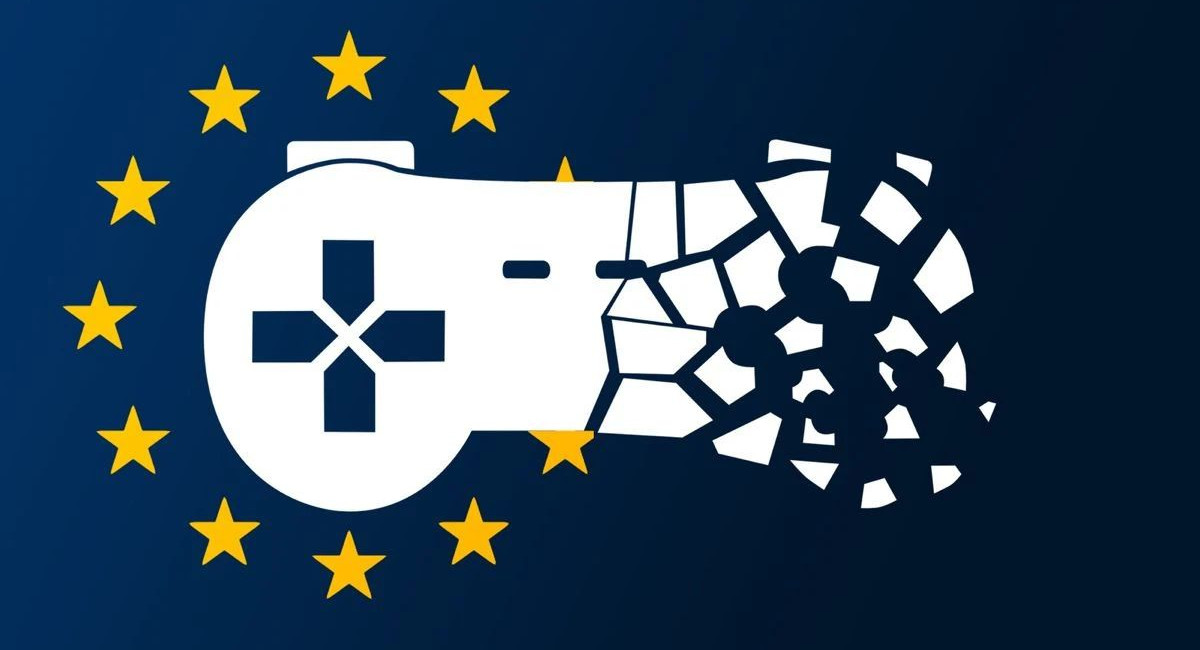
In a major development for the global gaming industry, the European Commission has officially decided not to push forward with legally binding rules that would force developers and publishers to keep their online games functioning after their commercial life ends. The ruling serves as a massive roadblock to the Stop Killing Games campaign, a grassroots consumer movement that successfully gathered enough signatures to force European regulatory authorities to consider the long-term preservation of digital software. However, the verdict from Brussels is final for the time being: there will be no legislative mandate compelling companies to guarantee long-term server support or offline playability for abandoned titles.
At the core of the regulatory deadlock lies the sheer complexity of modern software architecture and existing intellectual property laws. According to the official statement from the European Commission, proposing a strict legal obligation to keep video games playable post-retirement is impossible under current frameworks. Modern online multiplayer titles are rarely built using exclusively proprietary code. Instead, they rely heavily on third-party elements, such as licensed middleware, external databases, cloud infrastructure, and intellectual properties like copyrighted music tracks or digital car models in racing titles. Forcing publishers to hand over server architecture to the public domain or allow independent hosting would directly infringe upon the copyright protections of these underlying third-party technologies.
Instead of deploying a binding legislative hammer, European regulators have opted for a softer approach, aiming for industry self-regulation. The European Commission announced plans to initiate a structured dialogue with publishers, developers, and consumer protection organizations to draft a voluntary industry code of conduct regarding the lifecycle and decommissioning of video games. Additionally, the regulatory body plans to collaborate with local authorities to better inform the public about existing consumer rights, with a comprehensive report scheduled for release before the end of 2026. This soft-law approach has left many consumer advocates deeply skeptical about whether voluntary guidelines will ever motivate profit-driven companies to invest in developing offline patches for unprofitable titles.
The public outcry that originally ignited the Stop Killing Games movement dates back to early 2024, when Ubisoft decided to shut down the servers for its online racing game, The Crew. The French publisher did not merely render the multiplayer infrastructure inactive; it went a step further by completely revoking licenses and removing the game from users digital libraries. Players who had originally paid full retail price for the product woke up to find their purchases entirely gone. This specific incident catalyzed a fierce international debate over the nature of digital ownership, exposing the harsh reality that consumers are often merely renting temporary access to software rather than owning a permanent product.
Despite the setback in Brussels, organizers behind the Stop Killing Games campaign expressed that the refusal from the European Commission was entirely expected. Far from giving up, the movement is quickly pivoting its political strategy toward the European Parliament. The grassroots coalition plans to bypass the regulatory inertia of the executive branch by lobbying European lawmakers directly to insert targeted amendments into the upcoming Digital Fairness Act. Because this new European piece of legislation focuses on eradicating unfair commercial practices, manipulative user interfaces, and dark patterns, advocates believe framing the intentional destruction of digital goods as an unfair business practice is a legally smarter and highly viable route.
While Europe opts for voluntary compliance and corporate dialogue, more aggressive legislative actions are brewing across the Atlantic. In the United States, a landmark piece of legislation backed by consumer preservation advocates recently passed the state assembly in California. If enacted into law, this bill would legally force publishers to either provide full refunds to consumers or supply a functional offline mode whenever official game servers are permanently shut down. Even though tech lawmakers admit that enforcing such rules against massive multinational gaming corporations presents steep challenges, it establishes a powerful global legislative precedent for digital consumer protection.
The ongoing friction has already forced major storefronts to alter how they communicate with consumers. Valve recently updated the user interface of its Steam platform, explicitly displaying a warning in the shopping cart that informs customers they are purchasing a license for the product, rather than the video game itself. While this legal disclaimer shields distribution platforms from future consumer lawsuits, it perfectly highlights the growing rift between consumer expectations and the bleak legal reality of digital software agreements. The battle for video game preservation and consumer ownership rights has simply moved to a tougher political arena
MORE NEWS FOR YOU