 Help & Support
 SEARCH
How LinkedIn became a top target for cybercriminals
SHARE IT
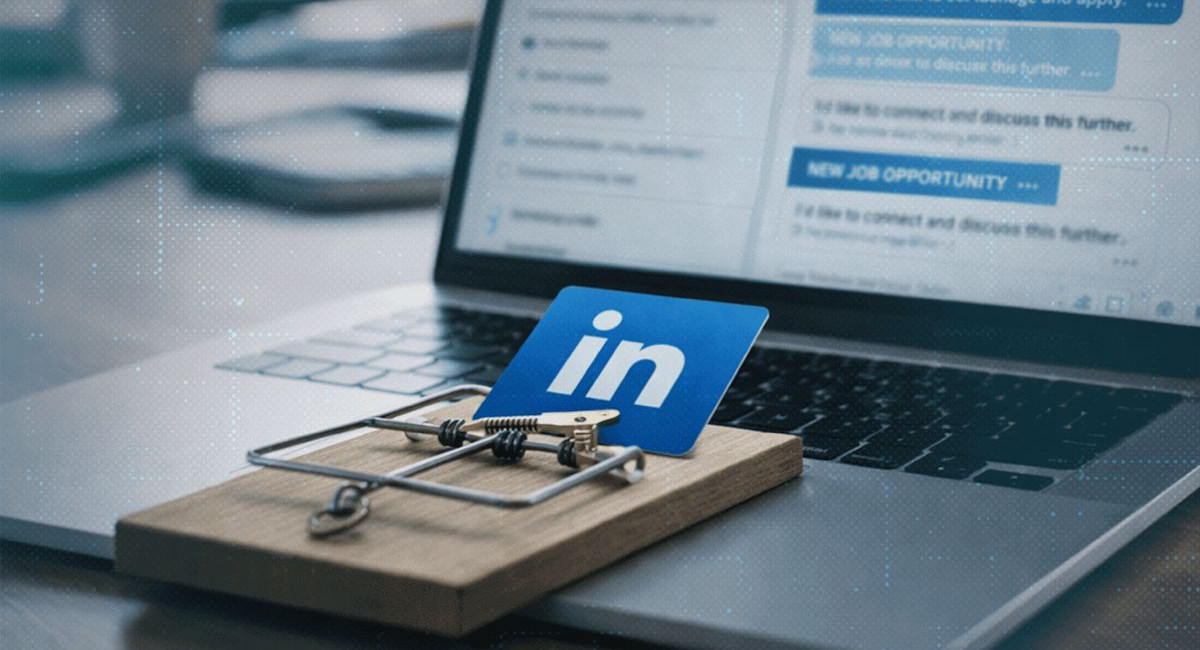
The digital landscape of professional networking has undergone a radical transformation, but not all changes have been for the better. While LinkedIn remains the premier destination for career growth and B2B connections, it has increasingly evolved into a sophisticated hunting ground for cyber adversaries. The very features that make the platform valuable—transparency, trust, and a wealth of personal professional data—are being weaponized by threat actors to launch devastating attacks.
The allure of LinkedIn for hackers lies in its inherent culture of openness. Unlike other social networks where users might be guarded, LinkedIn users are conditioned to accept requests from strangers, share their career milestones, and display their corporate hierarchies. For a cybercriminal, this is a goldmine of reconnaissance data. By simply browsing a company’s employee list, an attacker can map out the entire structure of an organization, identifying high-value targets such as finance executives, IT administrators, or HR personnel who handle sensitive documentation.
One of the most prevalent tactics observed recently involves the use of fake profiles. These accounts are often meticulously crafted, featuring AI-generated headshots and impressive, albeit fabricated, resumes. These digital phantoms impersonate recruiters from prestigious firms or industry peers seeking collaboration. Once a connection is established, the attacker moves to build rapport, eventually delivering a malicious payload. This could be a link to a credential-harvesting site disguised as a meeting invite or a malware-laden PDF presented as a job description.
The psychological element of these attacks cannot be overstated. Threat actors leverage the professional context of the platform to create a false sense of urgency or exclusivity. A message from a headhunter about a dream job or a query from a potential client carries a level of legitimacy that an unsolicited email usually lacks. This social engineering prowess allows attackers to bypass traditional technical defenses by exploiting the human element—the weakest link in the security chain.
Furthermore, the rise of sophisticated phishing campaigns on LinkedIn has seen a shift toward multi-stage attacks. In many instances, the initial contact happens on the platform, but the conversation is quickly moved to more private or less monitored channels like WhatsApp or Telegram. This tactic, often used by state-sponsored groups or organized crime syndicates, aims to isolate the victim and evade corporate security filters that might otherwise flag suspicious links or attachments within the LinkedIn ecosystem.
Protecting oneself and one's organization requires a multi-layered approach that combines technical vigilance with a healthy dose of skepticism. The first line of defense is the verification of identities. Before accepting a connection request from someone unknown, users should scrutinize the profile for red flags: lack of mutual connections, vague job descriptions, or accounts that have been recently created but boast an unlikely number of followers. A simple cross-reference on Google or a direct message to the supposed company can often reveal a fraudster.
Securing the account itself is equally vital. Enabling two-factor authentication (2FA) is no longer optional in today’s threat environment; it is a fundamental necessity. Additionally, users should be mindful of the amount of information they share publicly. Limiting the visibility of contact details and being cautious about posting specific internal company details can significantly reduce an individual’s attractiveness as a target.
Ultimately, the responsibility for security is shared between the platform and its users. While LinkedIn continues to implement automated systems to detect and remove millions of fake accounts, the sheer volume of activity means that some will inevitably slip through the cracks. Professional networking is essential in the modern economy, but it must be practiced with a security-first mindset. By staying informed about the evolving tactics of threat actors and maintaining strict digital hygiene, professionals can continue to reap the benefits of LinkedIn without falling victim to its hidden dangers.
MORE NEWS FOR YOU