
 Help & Support
 SEARCH
Meta deploys AI to alert parents over teen self-harm conversations
SHARE IT
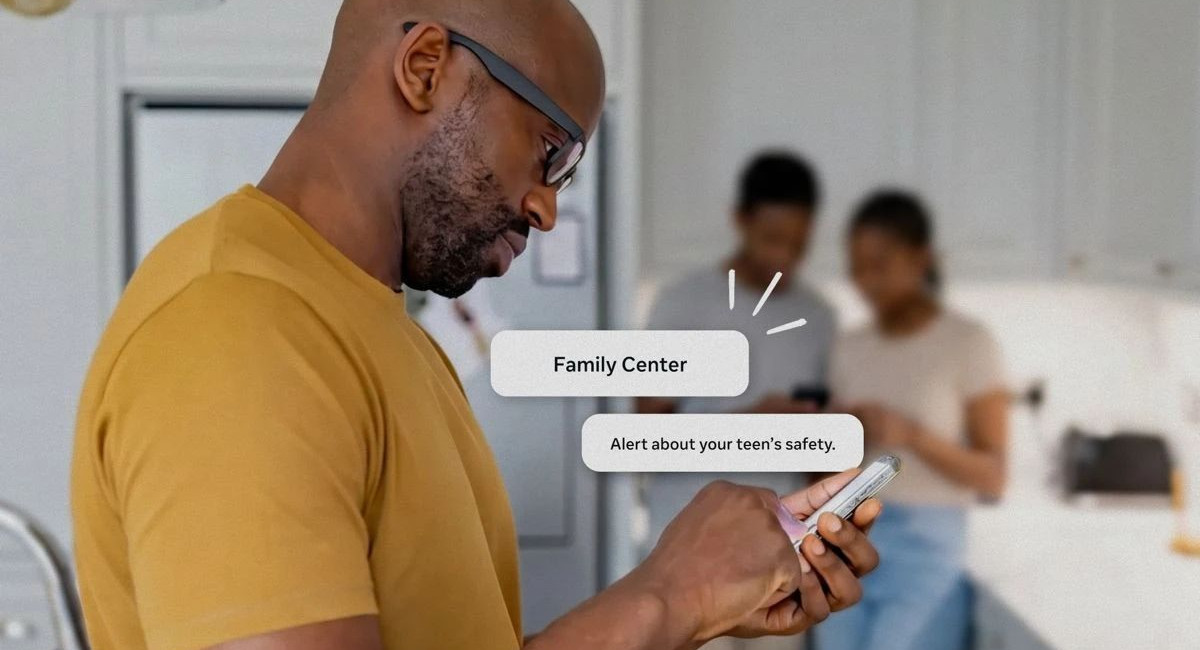
Meta is expanding its safety architecture by leveraging artificial intelligence to notify parents when teenagers engage in conversations regarding self-harm or suicide with the Meta AI chatbot. This decision marks a pivotal shift in how tech conglomerates manage the delicate balance between minor privacy and parental oversight.
The mechanism relies on a newly developed internal automated screening process designed to flag concerning terminology within AI interactions. However, recognizing the intense emotional gravity and potential distress these notifications can cause families, Meta has integrated a dual-layered verification protocol. Rather than relying solely on automated algorithms, every single flagged conversation undergoes human review by specialized teams before any alert is dispatched to a guardian. In instances where the teenager's intent remains ambiguous or open to interpretation, the corporation has stated it will default to a conservative approach, prioritizing safety by opting to send the notification regardless.
This feature integrates directly into existing parental control frameworks. When a potential crisis is identified, supervisors receive notifications via multiple channels, including text messages, emails, or direct in-app alerts, depending on their pre-configured settings. Crucially, the system is engineered to protect user confidentiality; parents are not granted direct access to the transcripts or the exact words exchanged between the minor and the chatbot. Instead, the alert serves as a catalyst for real-world intervention, arriving alongside expert-backed resources, communication guidelines, and actionable advice developed in tandem with clinical psychologists to help adults initiate sensitive conversations constructively.
The initial rollout of this safety initiative is restricted to guardians utilizing the Instagram parental supervision tools across specific English-speaking markets, specifically the United States, the United Kingdom, Canada, and Australia. Nevertheless, the company has expressed clear intentions to globalize the feature, aiming for full implementation across its various platforms and international jurisdictions by the conclusion of the year. This strategy builds upon a previous infrastructure update that alerted parents if minors repeatedly looked up self-harm terminology within standard search bars.
Beyond immediate family alerts, the tech firm is concurrently engineering a more aggressive intervention capability that bridges the digital and physical worlds. Meta is developing protocols that would allow the system to directly contact emergency responders if a user, regardless of age, exhibits an imminent, credible risk of self-inflicted harm during an active chat session. This echoes an established framework currently used on Facebook and Instagram, which the company reports has resulted in thousands of annual wellness checks conducted by local authorities worldwide.
Despite these technological strides, the implementation has met with a mix of cautious optimism and severe skepticism from child advocacy groups and legal experts. Critics point out that internal safety tools, while step-positive, often represent a narrow response to mounting regulatory scrutiny and high-profile litigation rather than a holistic solution. Many argue that self-policed corporate mechanisms allow platforms to unilaterally dictate which hazards are worth monitoring, often omitting critical threats like digital exploitation or illicit substance solicitation. Consequently, while the update validates the technical feasibility of real-time monitoring, calls persist for independent, third-party oversight to ensure comprehensive protection for vulnerable digital citizens.
MORE NEWS FOR YOU