
 Help & Support
 SEARCH
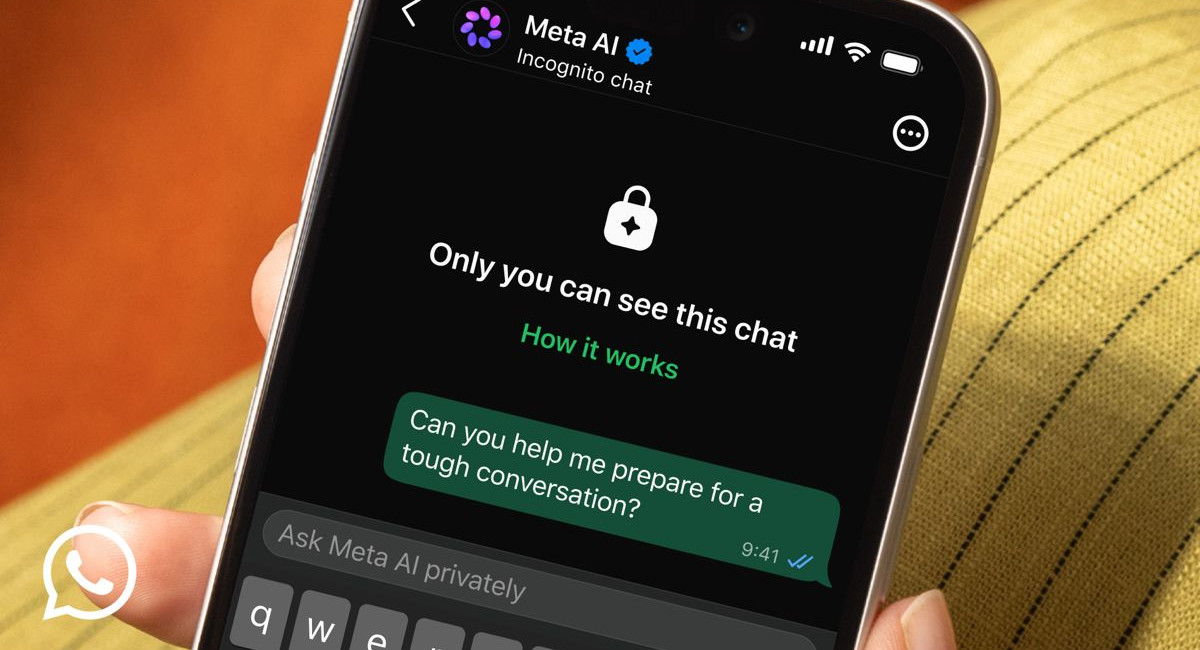
Meta introduces Incognito Chats with Meta AI
SHARE IT
Tech giants have spent years convincing users that artificial intelligence is the ultimate digital assistant, capable of drafting emails, diagnosing symptoms, and planning financial futures. However, this helpfulness came with a significant caveat: the conversations were often logged, analyzed, and used to train future algorithms. This structural flaw left privacy advocates deeply skeptical about sharing sensitive data with large language models. In a major bid to rewrite the rules of data collection, Meta has unveiled a solution that aims to separate personal AI use from permanent corporate data storage.
The social media giant recently announced the launch of Incognito Chat with Meta AI, a major privacy update rolling out to WhatsApp and the standalone Meta AI app. This feature introduces a temporary interaction layer that effectively shields user prompts from public servers and even from the company that created the technology. Unlike standard chatbot interfaces that maintain an archive of past user inputs, this new system treats conversations as fleeting interactions, ensuring that sensitive inquiries leave no digital footprint.
At the core of this initiative is a framework known as Private Processing. When an individual opens an Incognito Chat session within WhatsApp, the architecture isolates the interaction inside a highly secure digital container. The system handles the request, delivers the text-based answer, and immediately wipes the interaction from its system upon closure. Because the data does not transition to a permanent server log, Meta maintains that neither its technicians nor outside entities can retroactively view what was discussed during the session.
This architectural shift addresses a growing dilemma for messaging platforms. Since the global rollout of end-to-end encryption on WhatsApp a decade ago, consumers have grown accustomed to total text privacy. However, the introduction of integrated AI bots disrupted this expectation, as traditional machine learning models require data access to improve performance. By building a secure vault specifically for AI interaction, the company attempts to extend its traditional messaging security principles into the conversational intelligence sector, assuring users that their private dilemmas remain strictly confidential.
The product development strategy reveals a measured approach to security boundaries. In its initial deployment, Incognito Chat will restrict interactions to text queries, completely disabling image uploads or generation features. This restriction helps minimize data overhead and prevents the complex processing vulnerabilities associated with multimedia files. Furthermore, strict age verification protocols require users to confirm they are over thirteen years old, and standard algorithmic guardrails remain active to instantly block harmful or illicit queries.
Looking beyond standalone chats, Meta is already preparing the next phase of this confidential architecture. The company has teased an upcoming feature called Side Chat, which leverages the same underlying security framework. Side Chat is designed to operate unobtrusively within regular, ongoing message threads, offering contextual assistance and information without forcing users to exit their main conversation window. This suggests a future where private AI support becomes an invisible, contextual utility rather than a separate destination.
This shift toward extreme data minimization creates a unique competitive angle in a crowded market. While rival platforms like OpenAI with ChatGPT or Google with Gemini offer options to pause history or opt out of data training, their internal systems often retain administrative visibility over inputs for safety monitoring. Meta is betting that absolute structural invisibility will build a deeper level of trust, transforming the AI assistant from a corporate database collector into a genuinely confidential personal sounding board.
MORE NEWS FOR YOU