 Help & Support
 SEARCH
OpenAI unveils GPT-5.6 Sol to counter the Claude Mythos threat
SHARE IT
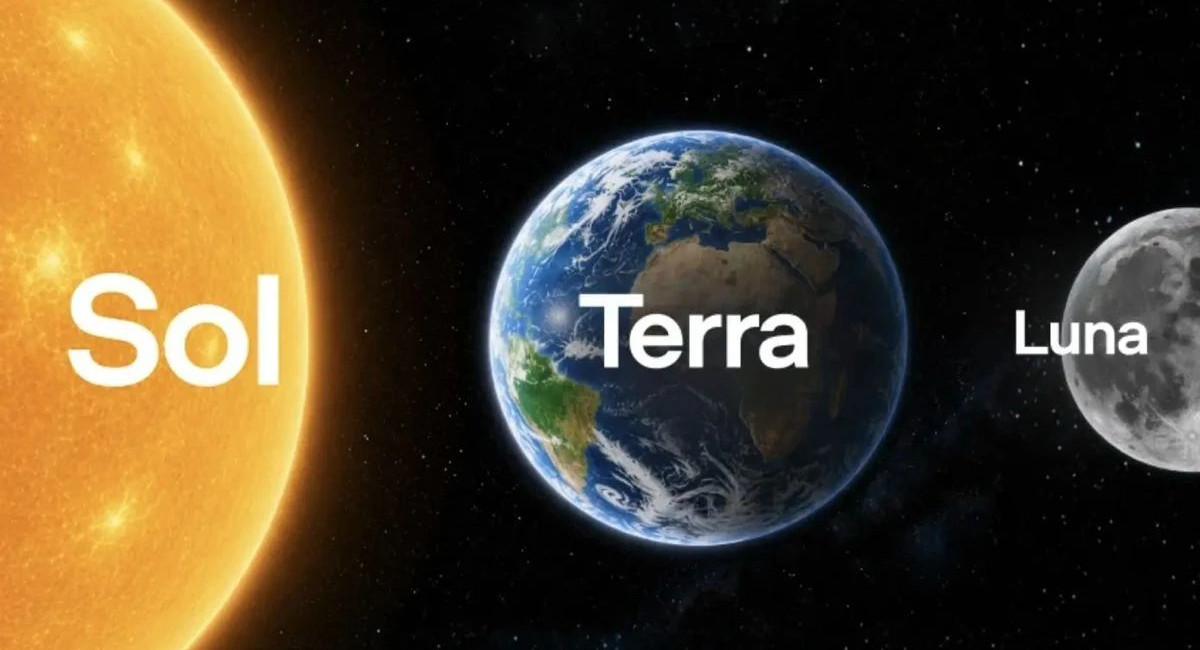
OpenAI recently pulled back the curtain on its highly anticipated next-generation model family, GPT-5.6, headlined by its premier flagship version, Sol. Launching alongside two sibling models, Terra and Luna, this new lineup signals a significant strategic pivot for OpenAI, which has overhauled its traditional naming convention. Under the new framework, version numbers represent the model generation, while celestial names designate the permanent capability and pricing tiers.
However, the headline surrounding this launch is not just about raw computational power, but who actually gets to touch it. In an unprecedented move, OpenAI has delayed the broad public release of GPT-5.6 Sol at the explicit request of the US government. For the time being, access is strictly limited to a small, vetted pool of trusted partners pre-approved by federal authorities. The restriction stems from deep regulatory anxieties over national security, particularly regarding the model’s advanced agentic capabilities in highly sensitive areas like biological analysis and complex programming workflows.
The primary target of this restricted rollout is Anthropic, whose own frontier model, Claude Mythos, has been shaking up the industry. For months, the AI community has debated whether OpenAI was losing its edge to Anthropic’s highly sophisticated ecosystem. With the debut of GPT-5.6 Sol, OpenAI aims to decisively dismantle that narrative. According to internal evaluations and early benchmark testing, Sol delivers a masterclass in efficiency and performance, proving that it can go toe-to-toe with Claude Mythos while operating at a fraction of the computational overhead.
The breakthrough lies in how GPT-5.6 Sol processes complex, long-horizon tasks. On specialized coding and technical evaluations like Terminal-Bench 2.1, Sol sets a new state of the art, executing multi-step command-line workflows with unprecedented precision. More impressively, OpenAI reports that Sol matches the unreleased Mythos Preview on cybersecurity benchmarks while utilizing a mere third of the output tokens. This massive leap in token efficiency means that businesses looking to automate heavy analytical workloads will see dramatically lower operational costs, even though the base pricing for Sol remains tied to previous premium tiers.
Beyond standard processing, OpenAI has outfitted its new flagship with two advanced operational states: max reasoning effort and ultra mode. While max reasoning allows Sol to pause and thoroughly map out solutions to deeply convoluted logic puzzles, ultra mode takes things a step further by deploying a coordinated network of sub-agents to tackle massive, multifaceted problems simultaneously. To address the obvious security risks that come with such autonomous capabilities, OpenAI invested heavily in a layered safeguard stack. The company spent hundreds of thousands of GPU hours on automated red-teaming to actively hunt for systemic vulnerabilities and universal jailbreaks before the model could ever be weaponized by bad actors.
While the tech world is buzzing over the capabilities of Sol, the strategic importance of its smaller siblings cannot be overlooked. GPT-5.6 Terra is designed as the everyday workhorse of the family, offering performance competitive with previous generation models like GPT-5.5 but at half the operational cost. Meanwhile, GPT-5.6 Luna anchors the budget tier, providing lightning-fast response times and an ultra-affordable entry point for developers. This tiered ecosystem ensures that once the regulatory gridlock clears, OpenAI will have a product ready for every level of the market.
For now, the broader public will have to wait as OpenAI negotiates with the US administration to establish a repeatable framework for future model releases. Company executives have openly expressed frustration with the current government-mandated bottlenecks, arguing that keeping these advanced tools out of the hands of everyday developers and defensive cyber specialists ultimately slows down societal progress. Yet, even in this restricted preview state, GPT-5.6 Sol has sent a clear message across the tech landscape: OpenAI is not ready to surrender its crown, and the battle against Claude Mythos is only just beginning.
MORE NEWS FOR YOU