 Help & Support
 SEARCH
StarCraft returns directly into the open world horizon
SHARE IT
Blizzard Entertainment made headlines during BlizzCon 2026 by formally lifting the veil on the next major iteration of its legendary StarCraft universe. Moving away from the classic real-time strategy framework that defined an era of competitive PC gaming, this new title is charting a completely different path. The project, titled simply StarCraft, is being engineered as a full-scale open-world shooter, signaling a bold paradigm shift for one of the most revered intellectual properties in gaming history.
Although the announcement sparked immediate shockwaves across the gaming community, long-time fans will need to temper their excitement with patience. The studio has set an official release window for 2030, revealing that the game remains in its early stages of production. Unveiling a project so far ahead of schedule underscores a strategic attempt by Blizzard to reignite passion and speculation around a franchise that has largely remained dormant since the launch of StarCraft: Remastered back in 2017.
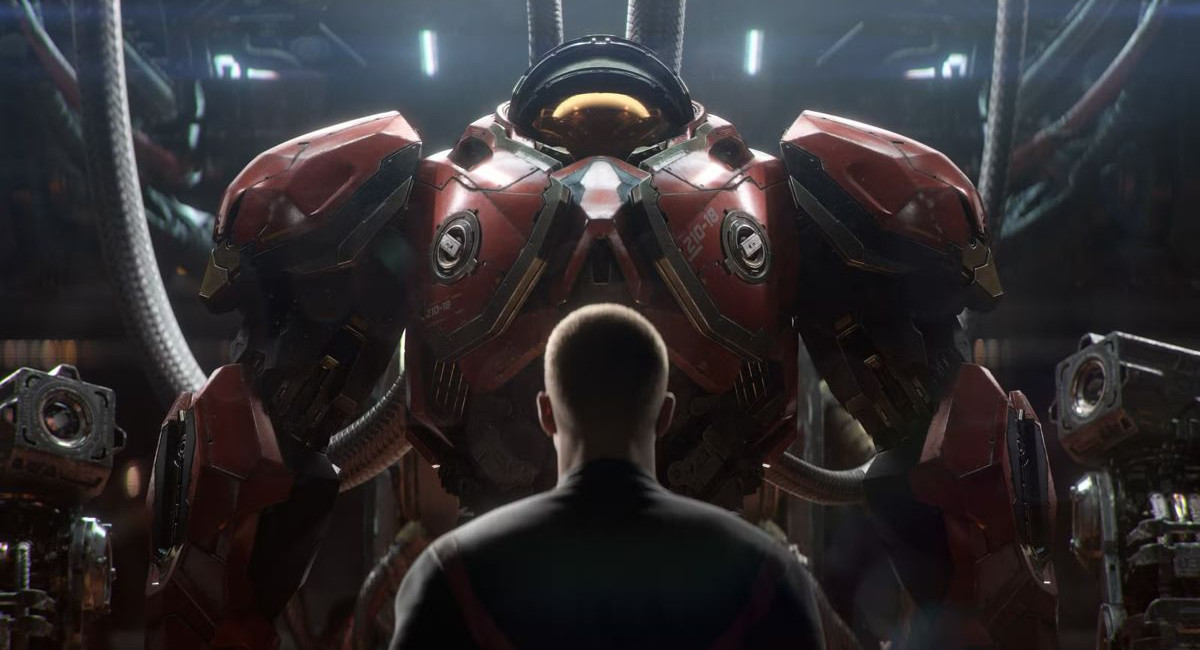
Rather than showcasing early gameplay footage, the developers relied on a cinematic trailer to establish the dark, gritty tone of this new chapter. The sequence followed the intense training of fresh Terran recruits facing the brutal reality of an impending battle against the relentless Zerg swarm. Under the backdrop of a stern military speech detailing duty and ultimate sacrifice, the narrative narrowed its focus onto a specific soldier named Holt. Viewers watched his harrowing drop into an active warzone already overrun by alien monstrosities.
The cinematic delivered a raw and unflinching depiction of sci-fi combat. At a crucial juncture, the protagonist's weapon jammed, culminating in a chilling close-up of his shattered power armor and tragic demise. This deliberate focus on vulnerability suggests that the upcoming title will abandon traditional power-fantasy tropes. Instead, it appears poised to deliver a grounded survival experience where individual soldiers face overwhelming odds and sheer desperation on the frontlines.
To fully understand the gravity of this reveal, one must look at the turbulent history surrounding previous attempts to transform StarCraft into an action game. The saga began in the early 2000s with StarCraft: Ghost, a third-person action-stealth project that endured endless development delays before its eventual cancellation. Years later in 2019, the studio quietly shelved Project Ares, a tactical shooter centered around a Terran marine repelling Zerg forces, shifting those internal resources toward Overwatch 2 and Diablo IV. This latest announcement represents Blizzard's third and most ambitious attempt to break what many fans consider a longstanding curse, this time bolstered by the massive financial and technological backing of Microsoft.
A key factor distinguishing this new project from previous iterations is the leadership steering its development. Dan Hay, a seasoned industry executive known for his successful tenure at Ubisoft as the driving force behind the Far Cry series, has joined Blizzard to lead the project. Hay brings extensive expertise in crafting dynamic open-world sandboxes where complex systemic elements interact unpredictably. His background provides a solid foundation for translating the vast lore of the Koprulu Sector into an immersive exploratory playground.
Shifting the gameplay dynamic from rigid hallways to open planetary environments implies a deeper level of tactical freedom. Players are likely to find themselves managing forward outposts, setting up defensive perimeters, and adapting to unpredictable incursions from Zerg swarms or methodical Protoss strikes, blending strategic thinking directly into a first-person perspective.
While concrete details remain scarce, the design philosophy behind past open-world projects offers clues about what players might encounter. The iconic worlds of StarCraft, from the sun-scorched badlands of Mar Sara to the volcanic hellscapes of Char, offer ideal settings for resource harvesting, exploration, and gear customization. Players may need to upgrade their combat suits, construct heavy weaponry, and operate iconic vehicles like Vultures or Siege Tanks to navigate hazardous zones safely. Given the heavy atmospheric tone set by the reveal trailer, encounters with massive threats like Hydralisks or Ultralisks will likely serve as terrifying tactical encounters requiring precision and strategy rather than simple brute force.
MORE NEWS FOR YOU