 Help & Support
 SEARCH
The longing for digital authenticity sparks the comeback of Myspace
SHARE IT
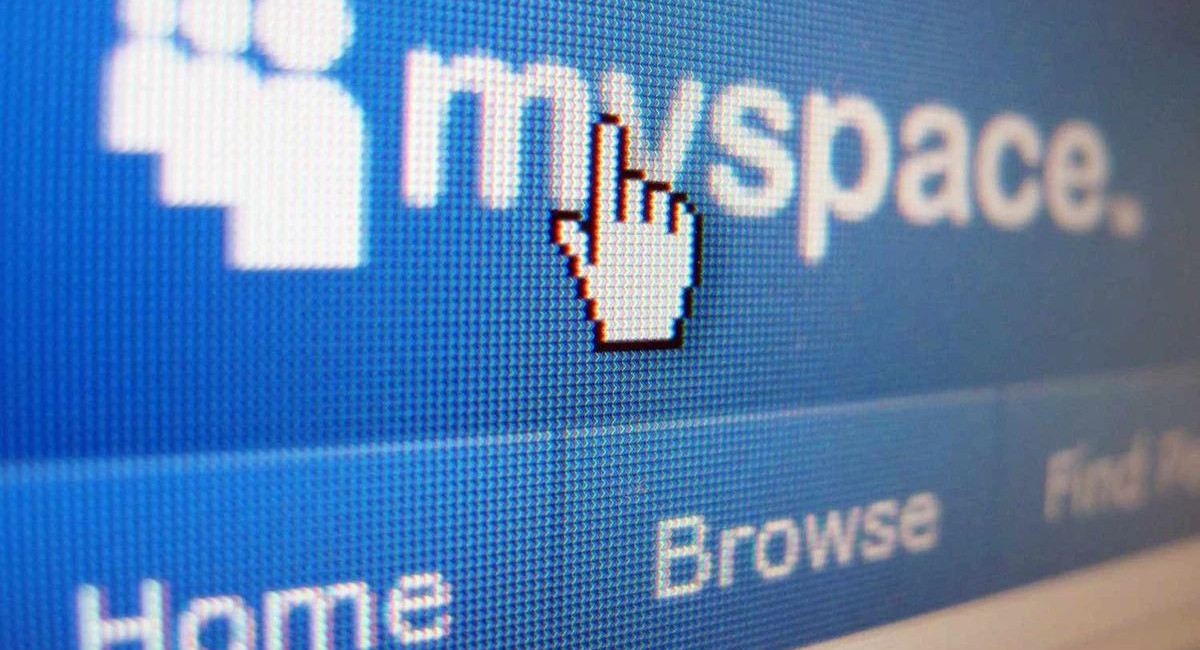
A nostalgic wave is sweeping through the tech world as the historic social media platform Myspace prepares for a major resurrection. Chris Vanderhook and Tim Vanderhook, who have owned Myspace since 2011, officially confirmed their intention to relaunch the legendary service in a documentary directed by Tommy Avallone. While concrete launch dates and specific structural details remain under wraps, the announcement alone has rekindled memories of an era when personal web pages were built with custom HTML and selecting a Top 8 felt like a pivotal daily dynamic.
The rise of Myspace is woven into the history of the early internet. Founded in 2003 by Tom Anderson and Chris DeWolfe, the site skyrocketed to become the most visited web destination in the United States by July 2006, briefly outstripping powerhouses like Google and eBay. Its meteoric success stemmed from giving users absolute freedom to personalize profiles with HTML and CSS, autoplay background tracks, and build vibrant communities. Iconic musical acts such as Arctic Monkeys, Adele, and Calvin Harris launched their global careers directly through Myspace long before streaming services took over the music ecosystem.
However, that rapid ascent was matched by an equally dramatic decline. Following a $580 million acquisition by News Corp via Intermix Media in 2005, the platform faced fierce competition from Facebook, leadership instability, and cumbersome redesigns. In 2011, News Corp sold Myspace to Specific Media and Justin Timberlake for just $35 million. A ambitious 2013 attempt to position the network strictly around the music industry ended in commercial failure, costing the Vanderhook brothers over $150 million as advertisers pulled out and users refused to abandon established digital habits.
The current strategy relies on capitalizing on modern user fatigue rather than pure nostalgia. Recent research from the Institute for Public Policy Research (IPPR) reveals growing dissatisfaction with algorithmic feeds, where a mere 18 percent of viewed content comes from real-life friends. Algorithms and influencers command 35 percent of feeds, while sponsored posts make up 29 percent. Furthermore, studies by Deloitte show that 70 percent of consumers feel they spend far too much time glued to screens, leading roughly a quarter of users to actively delete social media applications due to overwhelming promotional saturation.
Industry analysts emphasize that a modern relaunch cannot simply replicate the past. Surviving today requires navigating a landscape dominated by sophisticated engagement models, where integrating artificial intelligence tools for content curation and platform management is almost mandatory. Whether Myspace can strike the delicate balance between its signature user-customized freedom and the demands of contemporary tech infrastructure remains the central question for its ambitious return.
MORE NEWS FOR YOU