 Help & Support
 SEARCH
The orbital intelligence empire: Musk unites SpaceX and xAI
SHARE IT
In a move that fundamentally redraws the map of the global technology sector, SpaceX has officially completed its acquisition of xAI, the artificial intelligence startup founded by Elon Musk. This strategic consolidation does more than just merge two high-profile ventures; it establishes a private-sector titan with an estimated valuation of 1.25 trillion dollars. By bringing xAI under the SpaceX umbrella, Musk is creating what he describes as a vertically integrated innovation engine that bridges the gap between terrestrial software and extraterrestrial infrastructure.
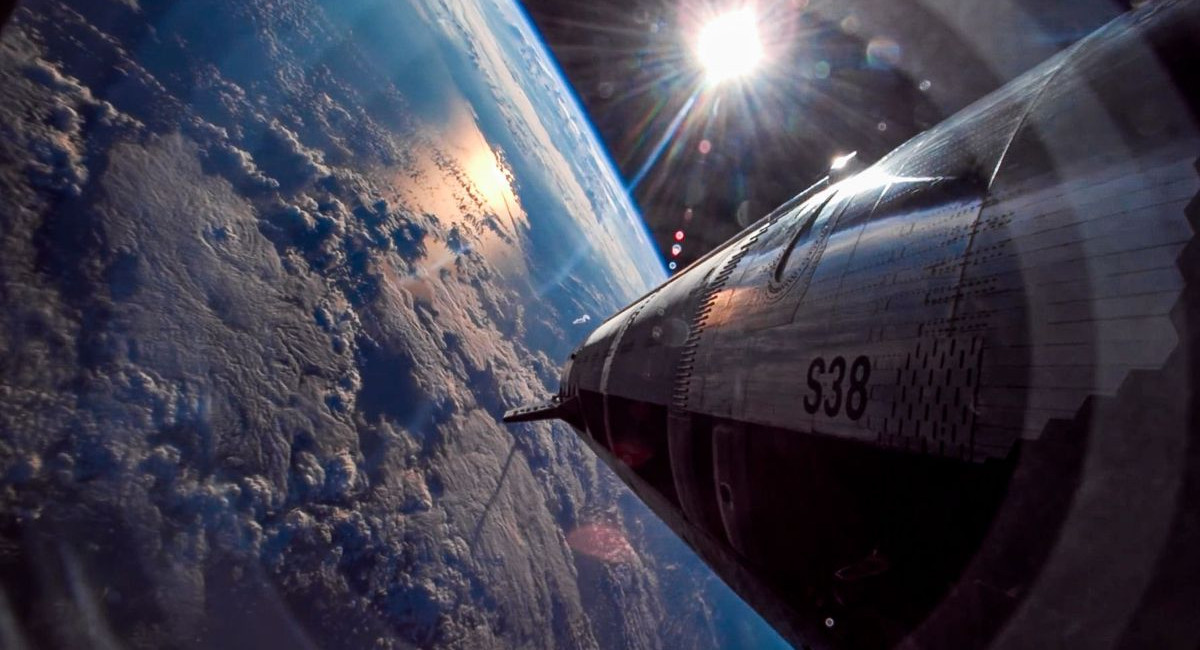
The deal, which unites the worlds of aerospace engineering and generative intelligence, represents a pivotal shift in how the tech industry perceives the future of computing. While SpaceX has long dominated the satellite launch market and global connectivity through Starlink, the addition of xAI provides the missing cognitive layer. The new entity now controls a staggering array of assets, ranging from the Starship rocket system to the Grok chatbot and the social media platform X. This synergy is designed to create a closed-loop ecosystem where data, hardware, and intelligence feed into one another.
A primary driver behind this massive merger is a radical solution to a looming energy crisis on Earth. Musk has argued that the sheer power required to train and maintain next-generation AI models is becoming unsustainable for terrestrial power grids. The combined company's roadmap includes a daring plan: moving large-scale data centers into orbit. By utilizing solar power in space, where energy is abundant and cooling is naturally facilitated by the vacuum, the company aims to bypass the environmental and logistical constraints that currently plague traditional data centers in places like Memphis.
The financial implications of this acquisition are equally profound. With a 1.25 trillion dollar valuation, the new SpaceX dwarfs its closest private competitors, effectively doubling the market value of OpenAI. This consolidation is widely seen as a precursor to one of the most anticipated initial public offerings in Wall Street history. Analysts suggest that an IPO for the combined entity could happen as early as this summer, potentially timed to coincide with significant celestial events or Musk’s personal milestones, further cementing the legendary status of his business empire.
However, the merger is not without its share of scrutiny. Critics and regulators are closely watching the centralization of such immense power under a single leadership structure. The integration of a major defense contractor like SpaceX with a social media platform and a generative AI developer raises unprecedented questions about data privacy, national security, and monopolistic influence. Despite these concerns, the market’s reaction remains largely optimistic, driven by the prospect of a company that literally owns the infrastructure of the future.
Ultimately, this acquisition signals the dawn of a new era where space is no longer just a destination for exploration, but a platform for the ultimate processing of human knowledge. By marrying the brute force of rocket propulsion with the refined complexity of artificial intelligence, Musk is betting that the most valuable real estate of the 21st century won’t be on the ground, but in the stars.
MORE NEWS FOR YOU