 Help & Support
 SEARCH
TikTok fortifies digital borders: A new era of age verification in Europe
SHARE IT
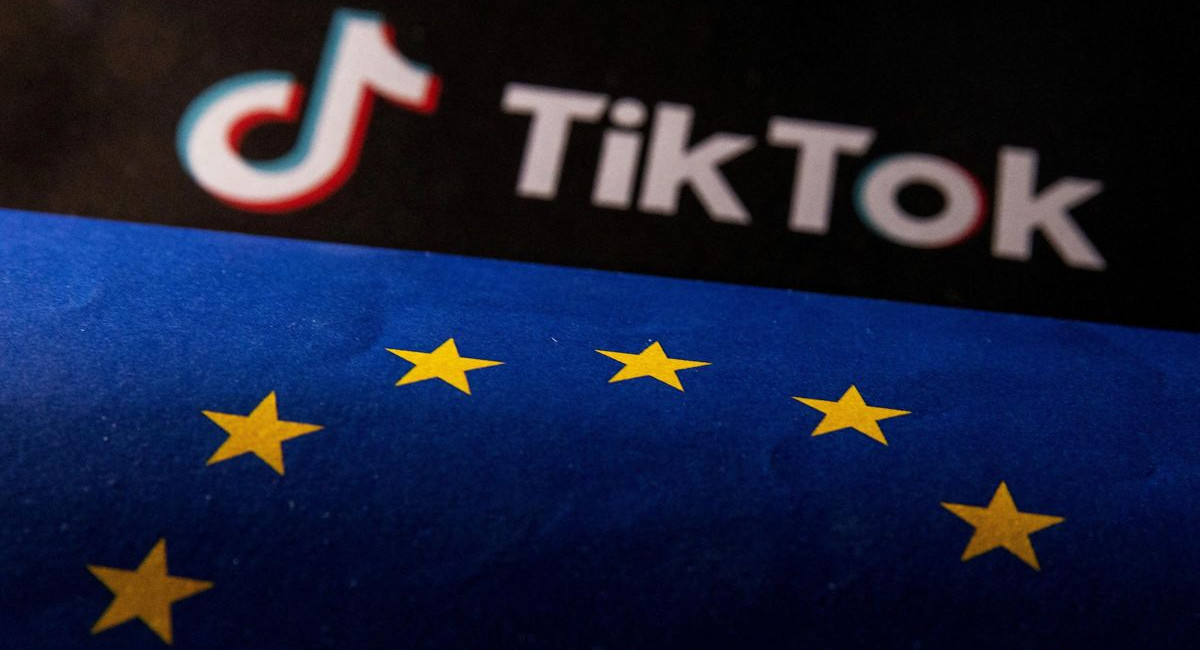
As the global conversation surrounding children's safety on social media reaches a fever pitch, TikTok is stepping up its efforts within the European Union. In a move that signals a significant shift in how digital platforms police their youngest users, the ByteDance-owned giant has announced the widespread rollout of advanced age-verification technology. This initiative comes at a critical juncture, as governments from London to Canberra contemplate increasingly drastic measures to keep minors off potentially harmful platforms.
The heart of this new strategy lies in a sophisticated AI-driven system designed to sniff out accounts belonging to children under 13. Unlike traditional methods that rely on simple date-of-birth inputs—which are notoriously easy to circumvent—this technology takes a more forensic approach. By analyzing a complex web of data points, including profile information, the content of posted videos, and nuanced behavioral patterns on the app, the system predicts the likelihood that a user is underage. It is a proactive attempt to clean up a digital space that has long been accused of being a Wild West for the youth.
Importantly, TikTok is keen to emphasize that this is not an automated "executioner." Instead of immediate, algorithmically-driven bans, the system flags suspicious accounts for review by human specialists. These moderators are tasked with making the final call on whether an account violates the platform's age policies. For those who find themselves caught in the net unfairly, TikTok has established a clear appeals process. Users can prove their age through several modern avenues, such as facial age estimation via the third-party service Yoti, credit card authorization, or the submission of government-issued identification.
This deployment is not a shot in the dark; it follows a quiet but successful pilot program conducted across the EU over the past year. During this trial phase, the technology successfully identified and led to the removal of thousands of accounts belonging to children who should not have been on the platform. The company maintains that this approach strikes a delicate balance between rigorous safety and the strict privacy laws that govern the European market. They insist that the predictive data is used solely for age verification and is not repurposed for advertising or other data-mining activities.
The pressure on TikTok is part of a much broader international trend. Australia recently set a global precedent by implementing a hard ban on social media for anyone under 16, a move that resulted in the deletion of nearly five million accounts across various platforms in just one month. In the UK, Prime Minister Keir Starmer has signaled a growing openness to similar restrictions. Once skeptical of the feasibility of such bans, Starmer has reportedly become increasingly alarmed by the sheer volume of time young children spend in front of screens and the potential psychological toll of unregulated social media access.
The European landscape is also shifting rapidly. Beyond TikTok’s internal updates, the European Parliament is advocating for stricter age limits, and countries like Denmark are considering their own bans for those under 15. This regulatory tightening is partly a response to past failures; a 2023 investigation revealed that some moderators had previously been instructed to turn a blind eye to underage users if they claimed parental supervision.
TikTok’s current rollout, developed in close consultation with Ireland’s Data Protection Commission, aims to bury those past controversies. By integrating features like the 60-minute daily limit for minors and restricted messaging for those under 16, the platform is attempting to position itself as a responsible actor in an era where "digital childhood" is being fundamentally redefined. Whether these technological barriers will be enough to satisfy increasingly wary regulators remains the billion-dollar question for the tech industry.
MORE NEWS FOR YOU