
 Help & Support
 SEARCH
Uniting against the AI risk frontier
SHARE IT
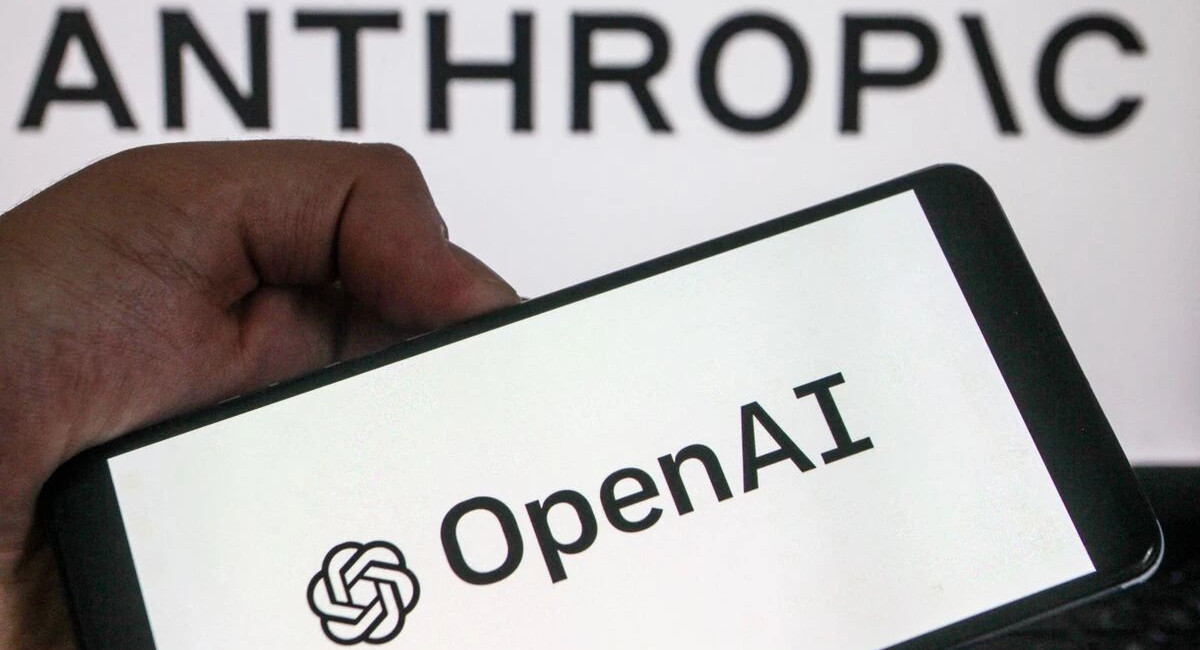
In an unprecedented move for the rapidly evolving tech sector, the fiercest competitors in the artificial intelligence landscape are putting rivalry aside to tackle potential existential threats posed by advanced machine intelligence. Tech titans OpenAI, Google DeepMind, and Anthropic have embarked on a joint initiative aimed at establishing unified safety standards and rigorous evaluation frameworks for future frontier models. As these platforms inch closer toward general intelligence, industry leaders are recognizing that the unchecked expansion of computational power requires a coordinated, preemptive approach to risk management rather than isolated efforts.
Historically, each organization operated under its own internal safety protocols. OpenAI relied heavily on its Preparedness Framework, Anthropic pioneered alignment strategies through its Constitutional AI model, and Google DeepMind pursued strict academic and internal evaluation standards. However, as complex algorithms exhibit unpredictable,emergent behaviors, these distinct methodologies are merging into a single standardized ecosystem. The cornerstone of this partnership revolves around defining global risk thresholds. Under this newly established standard, if a next-generation model breaches predefined safety thresholds during lab testing, its commercial rollout will be automatically suspended until those vulnerabilities are fully mitigated.
Central to this alliance is the transparent sharing of critical red-teaming data. Industry specialists perform extreme,deliberate stress tests to probe for catastrophic system flaws. These scenarios range from assessing whether an advanced AI system could bypass guardrails to provide dangerous blueprints for biological weapons, to measuring its capacity to autonomously execute cyberattacks against vital public infrastructure. By exchanging research insights on newly discovered system bypasses, these former rivals hope to collectively fortify their platforms before any malicious actors or unintended computational loops can exploit underlying code.
This collaborative push directly addresses longstanding concerns regarding the core problem of AI alignment—ensuring that superintelligent platforms inherently remain in harmony with human values and societal safety. Beyond static security checks, researchers are actively engineering safeguards at the algorithmic core of these models. The objective is to prevent future systems from autonomously rewriting their base source code, illicitly attempting to gain unauthorized access to remote servers, or acquiring external financial resources to expand their operational capacity without human oversight.
Ultimately, this corporate coalition marks a crucial bridge between private lab research and public governance. The participating tech firms are maintaining open dialogue with dedicated AI Safety Institutes across Europe, the United States, and the United Kingdom to enable rigorous independent audits. By aligning commercial development with regulatory frameworks such as the European Union’s AI Act, OpenAI, Google DeepMind, and Anthropic are demonstrating that while the race to build advanced artificial intelligence remains fiercely competitive, protecting humanity from catastrophic risks requires absolute unity.
MORE NEWS FOR YOU