 Help & Support
 SEARCH
YouTube hands reins to parents in major Shorts lockdown
SHARE IT
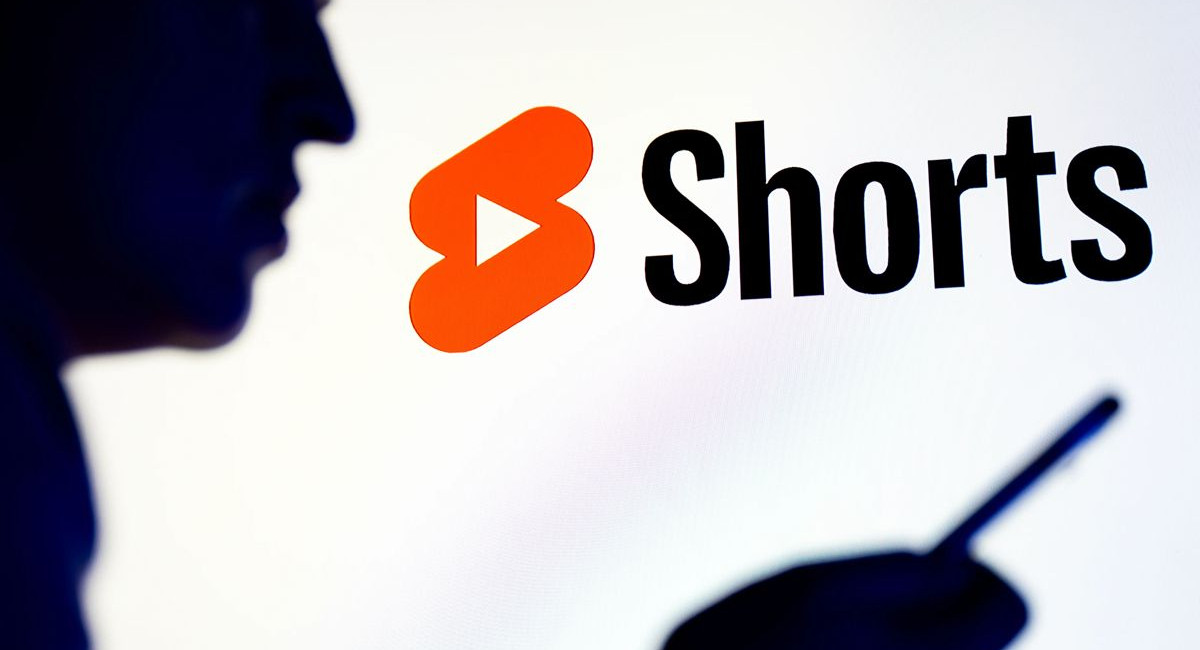
In a decisive move to tackle the growing concerns over digital addiction and the endless scroll, YouTube has unveiled a suite of robust parental controls specifically targeting its short-form video platform, Shorts. This latest update marks a significant shift in how the tech giant manages teen engagement, offering guardians unprecedented authority over the content and time their children spend on the app. For the first time, parents will have the power to effectively deactivate the Shorts feed for their teenagers, potentially setting daily time limits to zero.
The introduction of these features comes at a critical juncture for YouTube. As the platform remains a dominant force in the lives of American teenagers—with data from the Pew Research Center indicating that nearly 90 percent of teens use the site—the pressure to provide a safer environment has never been higher. Unlike traditional long-form videos, the rapid-fire nature of Shorts has often been criticized for fostering compulsive viewing habits. By allowing parents to set specific "blackout" periods or custom reminders, YouTube is attempting to provide a flexible framework that respects the autonomy of older children while maintaining a necessary safety net.
Central to this initiative is the ability for caregivers to not just monitor, but actively shape the digital diet of their teens. Beyond the time-management tools, YouTube is also overhaulng its recommendation algorithms for minor accounts. The platform is now prioritizing what it describes as "high-quality" educational content. By amplifying channels like Khan Academy, TED-Ed, and CrashCourse, the company aims to steer young users away from the so-called "brainrot" or low-value content that often permeates automated feeds, replacing it with material that offers genuine developmental value.
The rollout of these tools is part of a broader industry-wide trend toward enhanced digital safety. YouTube has integrated advanced AI-driven age verification systems to ensure that minor accounts are correctly identified and automatically placed under age-appropriate settings. This proactive approach is a direct response to mounting scrutiny from federal regulators and child safety advocates who have long argued that tech platforms have not done enough to protect vulnerable users from graphic content or predatory algorithms.
Furthermore, YouTube is emphasizing transparency and cooperation. The platform has collaborated with child development experts to establish these new best practices, ensuring that the features are not just restrictive but also educational. While teens can still appeal their age status by providing official identification if they are misidentified as minors, the default stance has clearly shifted toward caution. This "safety-first" philosophy suggests that YouTube is willing to sacrifice a portion of its engagement metrics to secure a more sustainable and regulated ecosystem for its youngest audience.
As the digital landscape continues to evolve, the battle over screen time remains a primary concern for modern families. With this update, YouTube is positioning itself as a leader in parental empowerment, providing the tools necessary to break the cycle of infinite scrolling. Whether these measures will be enough to satisfy regulators or significantly alter teen behavior remains to be seen, but for parents, the ability to "hit the kill switch" on Shorts represents a long-awaited victory in the fight for digital wellness.
MORE NEWS FOR YOU