
 Help & Support
 SEARCH
Alerting parents when teens seek harmful content on Instagram
SHARE IT
Meta has announced a significant update to its safety protocols. In the coming weeks, the company will introduce a proactive notification system on Instagram designed specifically to inform parents if their teenagers are repeatedly searching for content associated with suicide or self-harm. This initiative represents a major expansion of Instagram's existing parental supervision features and underscores a growing industry-wide emphasis on safeguarding vulnerable younger users from potentially dangerous online experiences. By flagging these concerning search patterns, Meta aims to bridge the digital divide between parents and teens during moments of critical need.
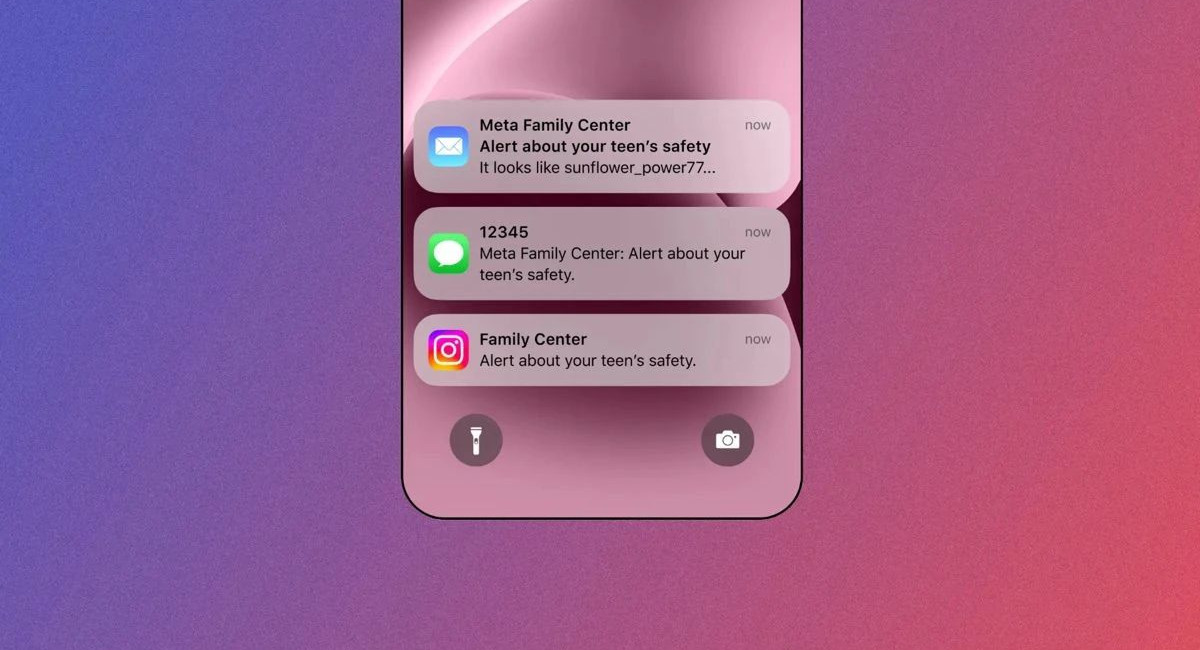
The mechanics of this new alert system are built around identifying repeated, high-risk search behaviors within a concentrated timeframe. Starting next week, both parents and teenagers who are already enrolled in Instagram's supervised accounts program will receive preliminary notices about the impending changes. Once fully active, the system will monitor for specific search inputs, including overt terms like suicide and self-harm, as well as nuanced phrases that might suggest a user is considering physical harm or seeking out materials that promote such actions. When a teenager crosses the predetermined threshold of repeated searches, the system will automatically dispatch an alert to the linked parent or guardian. To ensure the message is received promptly, Meta will utilize multiple communication channels, sending these critical updates via email, direct text messages, WhatsApp, and through immediate in-app notifications.
Upon interacting with the notification, parents will be presented with a comprehensive full-screen message that clearly outlines the recent search activities of their child. Recognizing that receiving such news can be deeply alarming, Meta has integrated access to expert-backed resources directly within the alert interface. These materials are specifically curated to guide parents on how to approach these highly sensitive conversations with empathy and constructiveness. The initial rollout of this feature will commence next week for users in the United States, the United Kingdom, Australia, and Canada. The company plans to expand this crucial safety net to additional regions across the globe later in the year, gradually standardizing this level of parental oversight internationally.
Developing a system that monitors user behavior naturally raises questions about privacy and notification fatigue. Meta has publicly acknowledged the delicate balance required to make this tool effective without becoming overwhelming. Through extensive analysis of user search patterns and consultations with experts from their Suicide and Self-Harm Advisory Group, the developers established a specific frequency threshold for the alerts. The goal is to avoid bombarding parents with unnecessary warnings, which could inadvertently dilute the urgency of actual crises. While the company admits this cautious approach might occasionally generate alerts when there is no immediate danger, leading child safety advocates consider it a necessary preventative measure. Prominent figures like Dr Sameer Hinduja from the Cyberbullying Research Center and Vicki Shotbolt of Parent Zone have praised the initiative for giving parents the actionable insights needed to intervene effectively.
This new alert mechanism does not replace but rather fortifies Meta's existing protective infrastructure. Currently, Instagram maintains strict policies that actively block search results for terms explicitly linked to self-injury, redirecting users instead to local helplines and mental health organizations. Furthermore, while the platform permits users to share personal narratives regarding their mental health struggles, such content is intentionally hidden from teenage accounts to prevent potential emotional triggering. Looking toward the immediate future, Meta recognizes the shifting landscape of digital interaction, noting that younger demographics are increasingly utilizing artificial intelligence for personal support. Consequently, the company is already developing parallel notification systems for its AI platforms. Slated for release later this year, these upcoming features will alert parents if their teenager attempts to engage in conversations concerning self-harm with Meta's artificial intelligence, ensuring that the safety net evolves alongside emerging technologies.
MORE NEWS FOR YOU