 Help & Support
 SEARCH
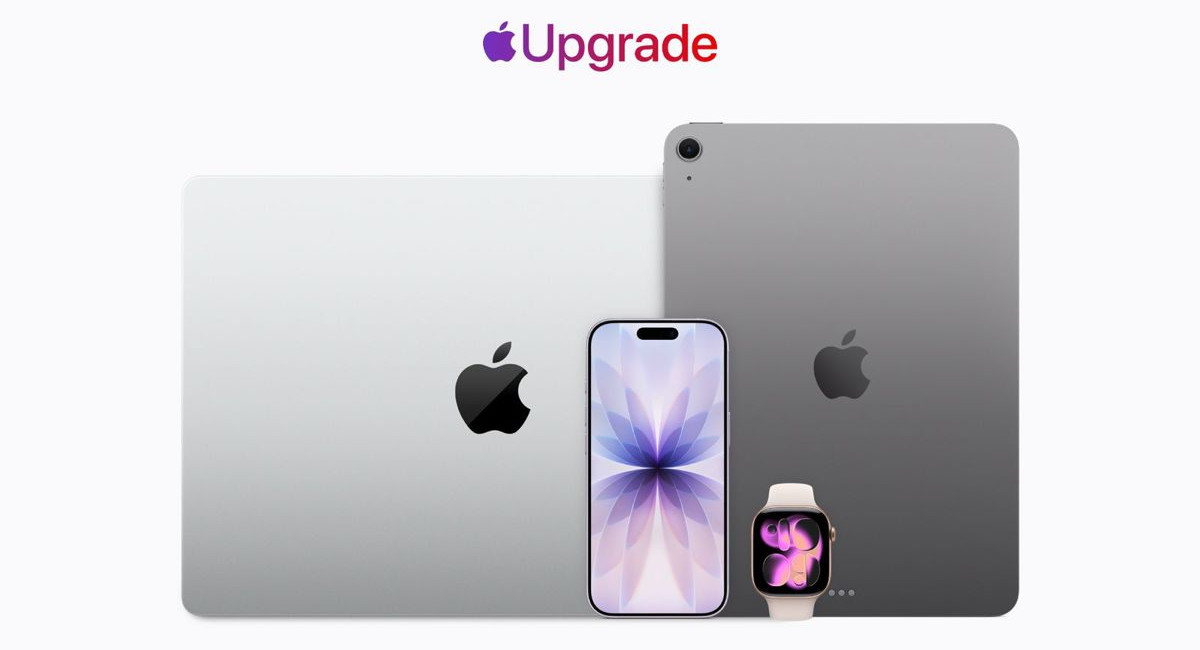
Apple Upgrade is a new multi-device leasing ecosystem with Klarna
SHARE IT
In an unexpected shakeup to its retail strategy, Apple has officially closed new enrollments for its popular iPhone Upgrade Program. For nearly a decade, the initiative served as a favorite pathway for tech enthusiasts seeking a simple, low-friction route to owning the latest smartphone every twelve months. In its place, the tech giant is rolling out a redesigned platform known simply as Apple Upgrade. Financed in partnership with buy-now-pay-later specialist Klarna, the new offering promises greater product variety and flexible terms, but a closer examination of the financial details reveals a distinct departure from the consumer-friendly simplicity that made its predecessor famous.
Launched nearly ten years ago, the original iPhone Upgrade Program was built around transparency and convenience. Customers paid a single, set monthly fee split over twenty-four installments through financing partner Citizens One. That single price tag covered not only the hardware itself, but also full AppleCare+ warranty protection, which included cover against accidental damage and theft. Crucially, after making twelve consecutive monthly payments, subscribers were eligible to trade in their current device for the newest flagship model, resetting their contract without early termination fees or residual balances. It was an all-inclusive subscription model that removed the hassle of managing carrier contracts, negotiating trade-in values, or selling used phones independently.
With Apple Upgrade, the underlying structure undergoes a fundamental transformation. Rather than limiting the scope exclusively to smartphones, Apple has expanded the subscription concept across its broader device ecosystem. Customers can now enter multi-year leasing agreements for iPads, Macs, and Apple Watches alongside flagship iPhones. Leasing terms can stretch anywhere from twelve to thirty-six months depending on the device selected. On paper, this expansion offers unprecedented versatility for households deeply invested in the Apple hardware family, allowing users to refresh multiple personal devices on synchronized schedules.
However, the shift introduces subtle pricing adjustments that may catch budget-conscious consumers off guard. Marketing materials for Apple Upgrade highlight lower starting figures, advertising entry-level iPhone plans at thirty-two dollars and ninety-nine cents per month compared to the forty-two dollars and forty-one cents required under the retired program. Yet this discount is an illusion caused by unbundling service features. Unlike the old system, Apple Upgrade excludes AppleCare+ from the baseline monthly fee. To maintain equivalent protection against drops, spills, or theft, users must purchase AppleCare+ as a standalone subscription for an additional eleven dollars and ninety-nine cents every month.
When those necessary protection fees are factored into the calculation, the true recurring payment jumps to forty-four dollars and ninety-eight cents per month. Over the course of a full year—the standard period before most members choose to trade in their device—customers will pay approximately five hundred thirty-nine dollars and seventy-six cents under the new plan, compared to five hundred eight dollars and ninety-two cents under the previous agreement. While the increase may appear modest on a monthly statement, it marks a strategic re-alignment in Apple hardware monetization, quietly raising the total cost of ownership for buyers who demand complete coverage.
For customers currently enrolled in the classic iPhone Upgrade Program, Apple has outlined a straightforward transition path. Existing members do not need to take immediate action; their ongoing loan agreements with Citizens One will remain fully valid until the end of their respective terms. Those who wish to keep their current devices can simply complete their twenty-four monthly payments, at which point ownership transfers entirely to them. Alternatively, enrolled members who have reached twelve months of payments can choose to return their active hardware and transition into the new Apple Upgrade platform when purchasing their next device.
Ultimately, the demise of the iPhone Upgrade Program reflects Apple's broader ambition to evolve from traditional retail financing toward flexible hardware-as-a-service models. By shifting backend financing to Klarna and decoupling protection services from base pricing, Apple achieves two goals at once: lowering the apparent barrier to entry for prospective buyers while quietly boosting overall service margins. While multi-device coverage and customized lease lengths will undoubtedly appeal to many power users, fans of the original all-in-one upgrade program are left navigating a slightly more complicated and costlier financial landscape.
MORE NEWS FOR YOU