 Help & Support
 SEARCH
Australia draws a global line with historic under-16 Social Media ban
SHARE IT
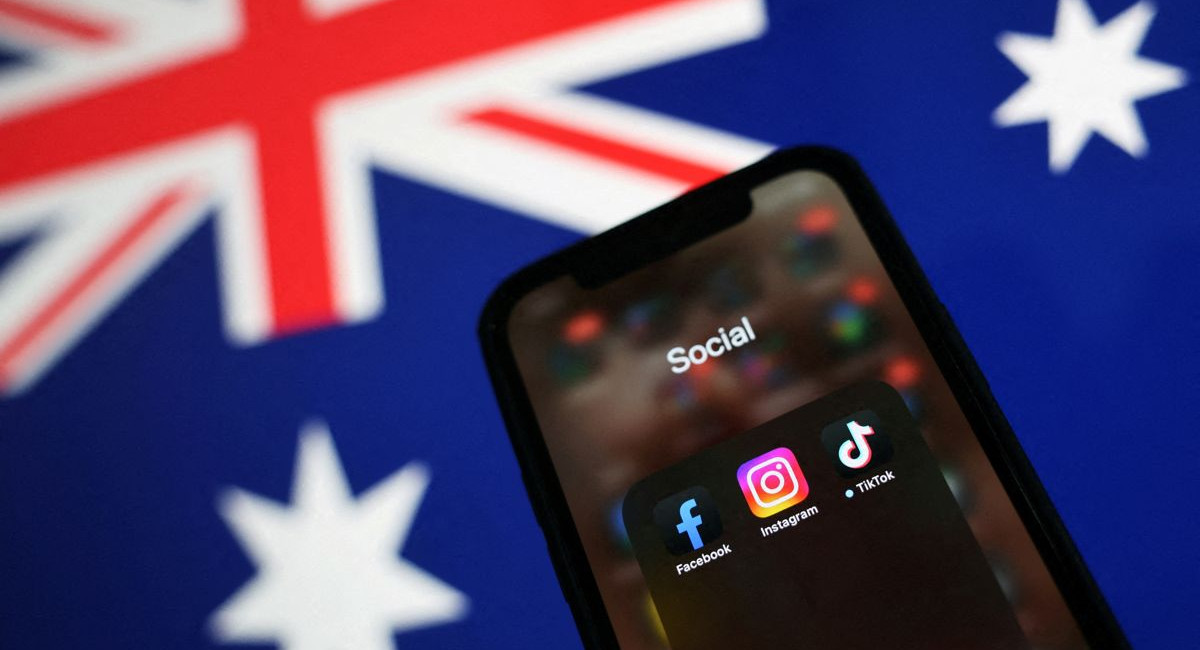
Australia has entered uncharted territory, becoming the first nation to impose a blanket ban on social media use for anyone under the age of 16. The unprecedented move, which took effect at midnight on Wednesday, instantly reshaped the digital landscape for nearly a million young Australians and sparked international debate over how far governments should go in regulating online spaces.
Under the new law, ten of the world’s largest platforms—including TikTok, YouTube, Instagram and Facebook—must actively block access for underage users or risk fines reaching up to A$49.5 million. The legislation is already being closely monitored by governments worldwide, many of which have struggled to curb the influence of platforms deeply embedded in daily life despite mounting concerns over misinformation, addiction, cyberbullying and unrealistic body-image expectations among young teens.
Prime Minister Anthony Albanese described the day as a milestone moment for Australian families. Speaking at a press conference, he framed the ban as long overdue, a decisive answer to years of warnings about the impact of unregulated social media on children’s mental health. He called it one of the most significant cultural shifts the country has faced, predicting that its effects would extend well beyond Australia’s borders. In a video message directed at teenagers, he encouraged them to use the upcoming summer break to take up hobbies, read books or try new activities—suggesting a future less shaped by digital screens and constant online engagement.
Among the young people affected, reactions were mixed. Fourteen-year-old Claire Ni described herself as largely unfazed, saying she felt “neutral” about the change. Others were more apprehensive, worried about how the sudden disconnection would affect their routines and social circles. Fifteen-year-old Luna Dizon admitted she still retained access to TikTok, Instagram and Snapchat for the moment, but feared a looming “culture shock” when the ban becomes airtight. Even so, she acknowledged that adaptation is likely inevitable: “Eventually, without social media, we’ll learn how to adjust.”
In practice, the ban is already reshaping online activity. TikTok alone deactivated around 200,000 accounts within hours of the new rules taking effect, with many more expected to vanish in the coming days. Young users flooded their feeds with farewell posts, often signing off with variations of “see you when I’m 16.” While the government concedes the system will not be flawless, the early numbers indicate the scale of the shift.
The ban caps a year of heated debate over whether any government could effectively prevent children from accessing platforms that have become central to communication, entertainment, and social identity. Now, other nations are watching closely, treating Australia as a real-world test of how far policymakers can go in limiting social media exposure without restricting free expression or stifling technological innovation.
Central to the rollout is the work of eSafety Commissioner Julie Inman Grant, who has taken a leading role in shaping and enforcing the policy. She says support for similar measures is growing outside Australia, particularly in the United States, where many parents feel platforms have been too slow to implement meaningful protections. She notes that American families frequently ask why their own government hasn’t taken comparable steps, expressing frustration that corporate interests often outweigh children’s welfare in digital policy discussions.
Tech companies, meanwhile, have faced pressure to adapt quickly. Elon Musk’s platform X became the last of the major services to comply, publicly acknowledging it had no choice but to follow the law. Companies will employ a combination of age inference, selfie-based age estimation, ID verification and optional financial account checks to identify underage users—a system critics argue remains imperfect but represents the most comprehensive attempt yet at large-scale age gating.
For social media firms, the implications extend beyond compliance. Studies have shown that user growth is stagnating globally, with time spent on platforms declining as well. While under-16 users do not generate major advertising revenue, companies warn that severing access disrupts their long-term audience pipeline. Before the ban, 86% of Australian children aged eight to fifteen used at least one major platform, reinforcing how deeply social media had permeated early adolescence.
Some teenagers and advocates fear the ban may create unintended harm. Fourteen-year-old Annie Wang expressed concern that young people who rely on online spaces to explore their identities or connect with niche communities—particularly LGBTQ youth—may feel isolated. Others use social platforms to share emotions or seek support that is not available at home or school. For them, Wang said, cutting off access may worsen mental health rather than improve it.
The world is now watching to see whether Australia’s bold experiment becomes a new digital norm or a cautionary tale. Either way, the country has forced a global conversation: how young is too young for the online world, and who gets to decide?
MORE NEWS FOR YOU