 Help & Support
 SEARCH
End of an era as Samsung Messages will be replaced by Google Messages
SHARE IT
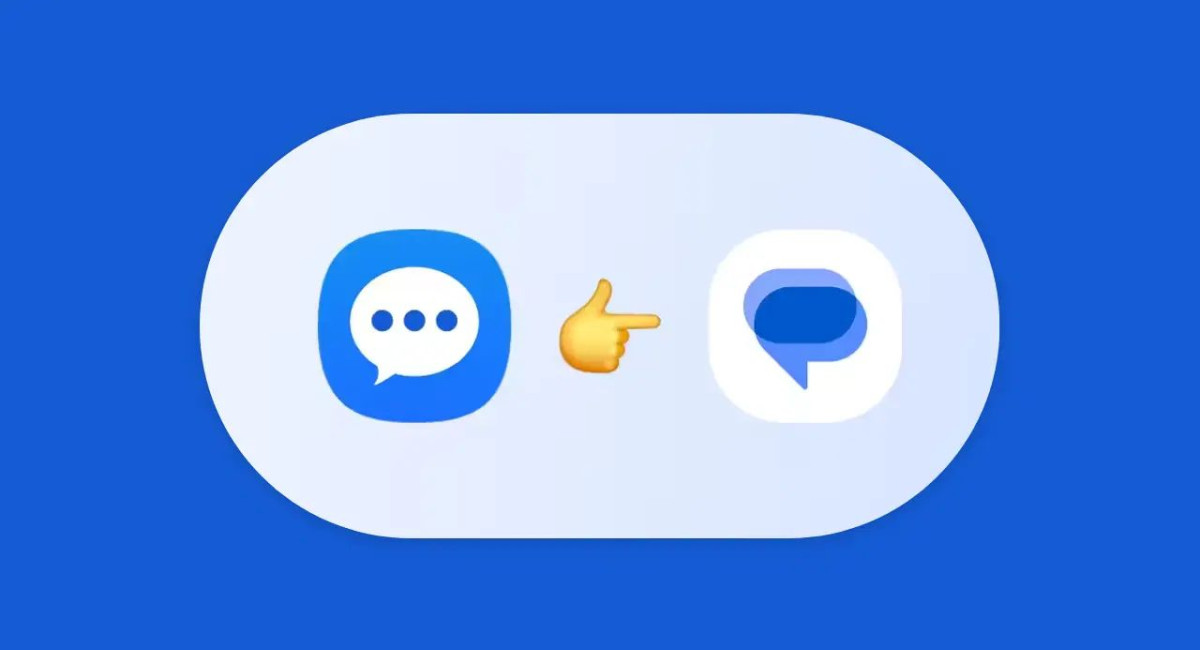
Samsung has officially announced that by July 2026, the traditional Samsung Messages application will cease to function for sending and receiving standard text messages. This pivotal move marks the definitive end of an era for millions of Galaxy device users around the globe. Following this ultimate deadline, the application will be significantly downgraded, managing only communications directed toward emergency services or the designated emergency contacts established within a user's device settings. However, the South Korean technology giant is not leaving its massive consumer base without a lifeline, as the company is actively urging users to make a complete and permanent transition to Google Messages.
According to the company, this sweeping decision was not made arbitrarily. Instead, it forms a crucial part of a broader strategic commitment to deliver a unified, modernized, and entirely consistent messaging experience across the entire Android ecosystem. For years, the Android platform has faced criticism regarding its fragmented communication landscape, with different manufacturers pushing their own proprietary applications. By transitioning completely to Google Messages, Samsung is essentially waving the white flag on its native software to champion a universal standard. This migration offers a wide array of substantial benefits designed to noticeably elevate the daily digital communication of mobile users everywhere.
Perhaps the most significant advantage of this transition is the comprehensive and universal support for the Rich Communication Services protocol, widely known as RCS. Through this groundbreaking technology, users can finally enjoy exceptionally high-quality communication that effectively bridges the historical divide between the Android and iOS operating systems. With universal adoption becoming a reality, sending high-resolution photographs and uncompressed videos, along with viewing real-time typing indicators and read receipts, is becoming the standard practice regardless of the smartphone brand situated on the receiving end of the conversation.
Another incredibly powerful asset driving this transition is the deep integration of artificial intelligence. Samsung is placing specific and targeted emphasis on the capabilities unlocked by Gemini AI within the Google Messages environment. Upon switching, users automatically gain access to smart replies that dynamically adapt to the tone and context of each specific conversation. Furthermore, they are provided with creative tools tailored for the rapid editing and remixing of personal photographs. In parallel, the baseline level of electronic security is drastically enhanced. Advanced artificial intelligence algorithms are now tasked with intelligently identifying and filtering out various phishing attempts, malicious links, and annoying spam messages long before they even have the chance to reach a user's main screen.
For the millions of consumers wondering exactly how they are supposed to navigate this significant software alteration, the entire process has been deliberately designed to be as smooth and straightforward as humanly possible. As detailed in the official end-of-service announcement, Samsung Messages will soon begin displaying clear, in-app notifications meant to guide the public step-by-step through every phase of the migration. If someone wishes to proactively initiate the transition manually prior to the official deadline, they simply need to open or download Google Messages directly from the Play Store. Upon launching the new application for the very first time, a central prompt will appear requesting the user to set it as the primary default application for all SMS communications. By simply selecting Google Messages from the corresponding pop-up list, the change is saved automatically and permanently across the device.
Despite the comprehensive nature of these changes, there are several highly important exceptions that must be noted to prevent unnecessary panic among long-time consumers. Any devices that are currently operating on Android 11 or even older iterations of the operating system will remain completely unaffected by this phase-out. Significant changes are also anticipated for traditional owners of older Samsung smartwatches. Models released prior to the arrival of the Galaxy Watch4, which rely entirely on the Tizen OS operating system, will unfortunately no longer possess the capability to display full historical message conversation threads within the app. Nevertheless, these specific wearable devices will rightfully retain their core ability to send and read new text messages exactly at the moment they arrive.
Observing the final retirement of Samsung Messages, it is almost inevitable to take a brief retrospective look at its rich history. This specific application served as the absolute foundational pillar of communication for all Samsung phones since the very early stages of the legendary Galaxy series, originating somewhere between the years 2009 and 2010. Its most substantial and meaningful upgrade arrived several years later, during 2019, with the official introduction of the completely revamped One UI user interface. That was the exact moment the application acquired its now-famous and highly practical one-handed operation mode, alongside the deeply dark visual theme that was so widely embraced by the global audience.
However, the early warning signs of this massive transition have been visible for several years. The wheels were essentially set in motion back in 2021 when the company began setting Google Messages as the default messaging application right out of the box, a practice that initially commenced with the Galaxy S21 family of devices. The final blow for the historic software arrived in July 2024. At that time, it was officially announced that Samsung Messages would no longer be pre-installed on newer devices in certain regional markets, beginning with the foldable Galaxy Z Fold 6 and Galaxy Z Flip 6. A few months following that revelation, the complete absence of the application was solidified with the launch of the Galaxy S25 series, where the program was entirely missing from the initial software loadout. Therefore, this current announcement regarding the permanent cessation of its operations merely serves to seal an already predetermined fate
MORE NEWS FOR YOU