 Help & Support
 SEARCH
Google unveils Wear OS 7 with Gemini Intelligence and enhanced battery life
SHARE IT
The wearable technology landscape is shifting once again as Google officially pulls back the curtain on Wear OS 7. Introduced as a major milestone for the smartwatch ecosystem, this latest operating system upgrade places a heavy emphasis on two factors that modern consumers care about most: deep artificial intelligence integration and significant power efficiency. As smartwatches continue to transition from luxury accessories to indispensable health and productivity hubs, Google is betting big on making the wrist experience more proactive, intelligent, and long-lasting.
For the average consumer, the most immediate benefit of upgrading to Wear OS 7 will likely be felt in daily battery performance. Devices making the leap from Wear OS 6 to Wear OS 7 are projected to see up to a 10% improvement in battery longevity. In an era where users track everything from sleep cycles to high-intensity workouts, extending the operational life of a watch without increasing its physical footprint is a massive win. Google attributes these gains to under-the-hood architecture optimizations, ensuring that background applications drain less energy while the device remains idle.
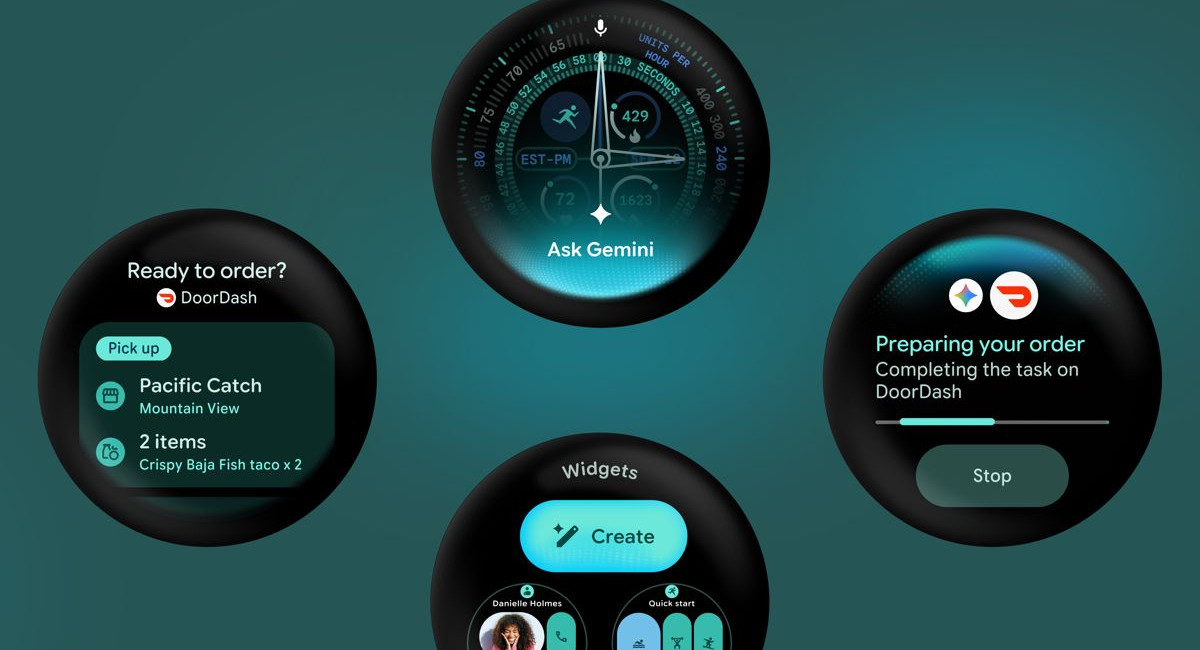
Beyond mere power savings, the headline feature of the update is the official arrival of Gemini Intelligence to the wrist. Selected smartwatches hitting the market later this year will come equipped with Google’s signature AI engine natively. Rather than acting as a simple voice-command receiver, Gemini Intelligence aims to deliver proactive and deeply personalized assistance. The system is designed to analyze user habits and contextual clues to offer relevant information before the user even asks, minimizing the need to constantly swipe through menus and allowing users to stay anchored in the real world.
The user interface is also receiving a substantial facelift, focused on delivering dynamic, real-time data. Wear OS 7 introduces Live Updates and an overhauled media management system. Users will now benefit from flexible, full-screen Wear OS Widgets, which represent an evolutionary step forward from the traditional static Tiles. This shift aligns the smartwatch interface more closely with the broader Android design philosophy, creating a unified ecosystem experience. On the multimedia front, the update introduces per-app media auto-launch configurations and a Remote Output Switcher, allowing users to effortlessly route audio from their wrist to various external speakers or headphones.
For the developer community, the rollout brings a powerful new toolkit designed to streamline app creation and optimize performance. Google has made the Wear OS 7 Canary Emulator available, built upon the foundation of the upcoming Android 17. This allows developers to immediately begin compatibility testing and experiment with new capabilities. Key additions to the development pipeline include Wear Compose 1.6 and AppFunctions, both of which provide the necessary frameworks to build highly efficient, gesture-intuitive experiences tailored specifically for wearable hardware.
Ultimately, Wear OS 7 represents Google’s vision of the smartwatch not just as a passive digital accessory, but as an active, intelligent partner. By combining tangible battery upgrades with the analytical power of Gemini Intelligence, the platform is setting a new benchmark for what users should expect from wearable technology. As the rollout progresses throughout the year, both developers and consumers will have a front-row seat to the next chapter of ambient computing.
MORE NEWS FOR YOU