
 Help & Support
 SEARCH
Google Earth brings iconic Flight Simulator to the browser
SHARE IT
The dream of soaring above the clouds without leaving your desk has reached a significant milestone. Google has officially integrated its beloved flight simulator directly into the web version of Google Earth, allowing users to pilot aircraft across a fully rendered 3D globe seamlessly within their internet browsers. This move marks a major evolution for a feature that captured the imagination of digital explorers nearly two decades ago. By removing the barriers of heavy software downloads and complex installations, the tech giant is making global aerial exploration accessible to anyone with a standard computer and a stable internet connection.
This release represents a significant shift in how we interact with massive geographical datasets. What began in 2007 as a clever, hidden easter egg tucked away in the desktop Google Earth Pro application has now transformed into a sophisticated web application. For years, users had to install dedicated software to experience this virtual aviation, but the modern web ecosystem has changed the rules of engagement. By transitioning the feature to a browser-based environment, the experience has been democratized, allowing casual tech enthusiasts and geography fans alike to instantly take to the skies.
The technical breakthrough making this possible lies in the maturation of cloud rendering and real-time data streaming. Processing and displaying high-resolution satellite imagery, intricate terrain elevations, and complex three-dimensional urban architectures requires immense computational power. Instead of relying on local hardware to store and process gigabytes of environmental assets, Google web architecture handles the heavy lifting in the cloud. The system dynamically pulls geospatial data and photogrammetry models from remote servers, rendering them on the fly directly inside a standard web tab.
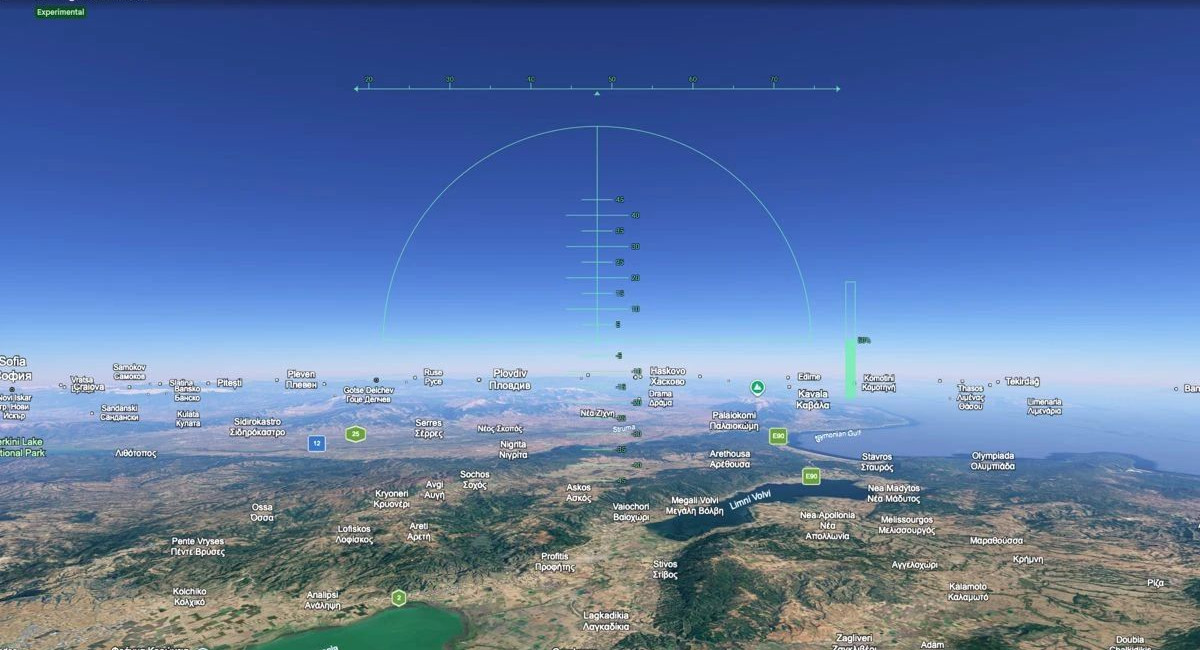
To initiate a virtual flight, users simply need to navigate to the main Google Earth website using any compatible modern browser. From there, a quick click on the Tools menu at the top of the interface reveals the Flight Simulator option. Activating the feature instantly shifts the perspective to a first-person cockpit view. Users are then presented with a choice: they can either take off directly from the geographical location they were currently viewing on the map or select a starting point from a curated list of prominent international airports, providing a gateway to explore landmarks worldwide from an aerial perspective.
Navigating the virtual skies relies on familiar hardware peripherals, keeping the barrier to entry low. The aircraft is controlled primarily through a combination of the keyboard and mouse. The standard arrow keys manage the essential flight axes, dictating pitch and roll, while precise mouse movements allow for smoother, more nuanced aerodynamic guidance through the digital airspace. Managing engine power and throttle is equally straightforward, mapped directly to the Page Up and Page Down keys to increase or decrease speed as necessary during flight.
The underlying infrastructure showcases the current capabilities of WebGL technology paired with Google server network. The most impressive aspect of this release is not the flight mechanics themselves, but the engine ability to smoothly stream the entire planet in real time. The system intelligently scales the resolution of the terrain based on the aircraft current altitude. When flying high, the browser loads broader regional textures. As the pilot descends toward the surface, the engine rapidly streams highly detailed photogrammetry data to construct lifelike cities and natural formations.
This streaming approach effectively eliminates the need for massive local storage, which has traditionally been a notorious pain point for high-end, hardcore flight simulation software that requires hundreds of gigabytes of hard drive space. Instead, the entire world is compacted into a single tab running on browsers like Chrome, Edge, or Firefox. It proves how far web standards have come, turning a simple browser tab into a portal for global exploration.
Despite its impressive technical foundations, Google still officially classifies this browser implementation as experimental. The cockpit user interface has been kept minimalist by design, focusing strictly on core aviation telemetry rather than mimicking an authentic, overly complex flight deck. Pilots are provided with four essential instruments: airspeed, altitude, a directional heading compass, and the vertical speed indicator to track climbs or descents.
By omitting complex radio navigation arrays, authentic autopilot systems, and intricate commercial aviation protocols, the development team has made their intentions clear. The primary objective of this browser-based tool is immediate, joyful exploration rather than rigid academic simulation. It offers an intuitive way to appreciate the sheer scale of the planet, transforming geography education and casual digital travel into an interactive, airborne experience.
MORE NEWS FOR YOU