 Help & Support
 SEARCH
Google Maps extends Gemini to pedestrians and cyclists
SHARE IT
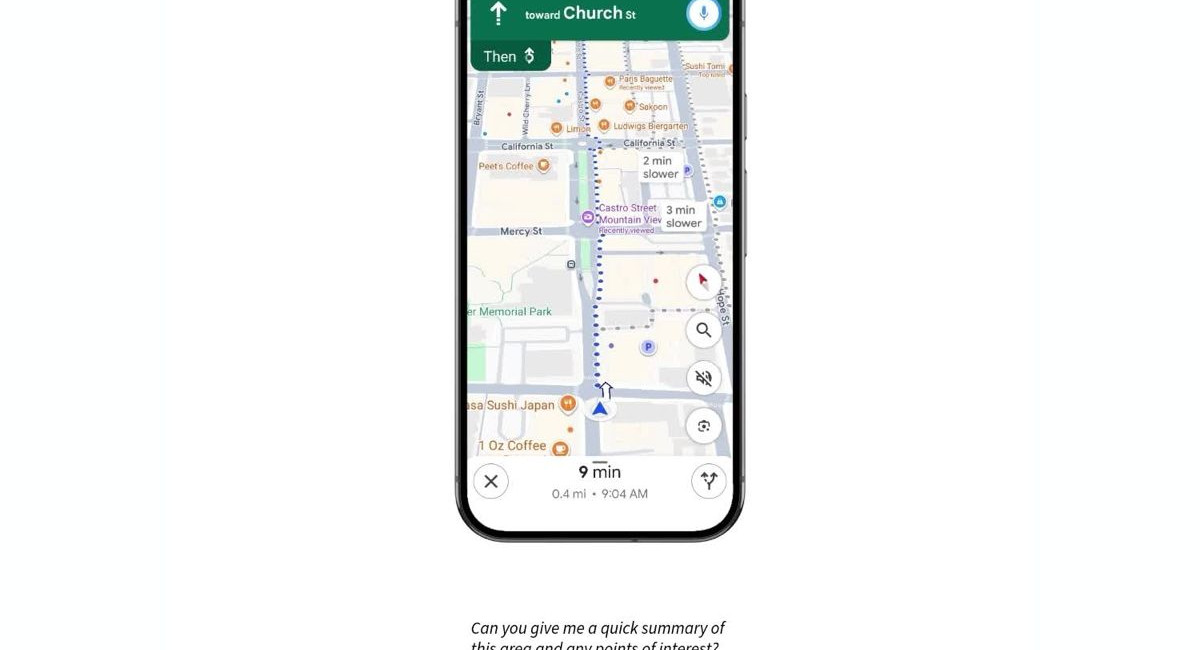
Google is fundamentally changing how we interact with the physical world by bringing its advanced Gemini AI into the hands-free experience of Google Maps for walkers and cyclists. This update represents a significant shift from traditional turn-by-turn directions toward a more conversational, ambient form of navigation. Previously reserved for drivers, this integration effectively transforms the smartphone into a proactive digital tour guide or a vigilant cycling companion, allowing users to keep their eyes on their surroundings rather than their screens.
The core of this innovation lies in the transition from rigid voice commands to natural language processing. Pedestrians can now engage in a back-and-forth dialogue with Gemini to gain context about their environment. Instead of stopping to type in a search bar, a traveler can simply ask about the history of a neighborhood they are passing through or inquire about specific amenities, such as cafes with available restrooms or vegan-friendly dining options along their current path. Gemini leverages Google's vast database of over 250 million places to provide real-time, contextually relevant insights that feel more like a conversation with a knowledgeable local than a standard GPS prompt.
For the cycling community, the update serves as a critical safety and productivity tool. Navigating a bike while trying to check a phone screen is inherently dangerous; Gemini mitigates this by handling complex, multi-step tasks through voice interaction. Cyclists can check their estimated time of arrival, ask for details about their next meeting, or even dictate and send messages to contacts without ever taking their hands off the handlebars. The AI can also manage navigation logistics on the fly, such as adding stops to a route or finding the most efficient way to a destination based on current traffic or weather conditions.
Beyond simple navigation, this rollout is part of Google’s broader strategy to weave its AI ecosystem into the fabric of daily life. By integrating Gemini directly into Maps, Google is reducing the friction of switching between different apps to find information. The assistant can access a user’s Google Calendar to provide schedule updates or tap into other connected services to offer a personalized experience. This persistent AI presence ensures that the most relevant information is available exactly when and where it is needed—out on the streets and in the middle of the action.
The global rollout is currently underway for both iOS and Android platforms in regions where Gemini is supported. While the interface retains a familiar look, the underlying technology marks the beginning of a new era for Google Maps. As the company continues to refine its multimodal models, we can expect even deeper levels of integration, potentially turning every urban stroll or bike commute into an interactive, data-driven journey
MORE NEWS FOR YOU