 Help & Support
 SEARCH
Google Search indexed shared AI link data from Claude
SHARE IT
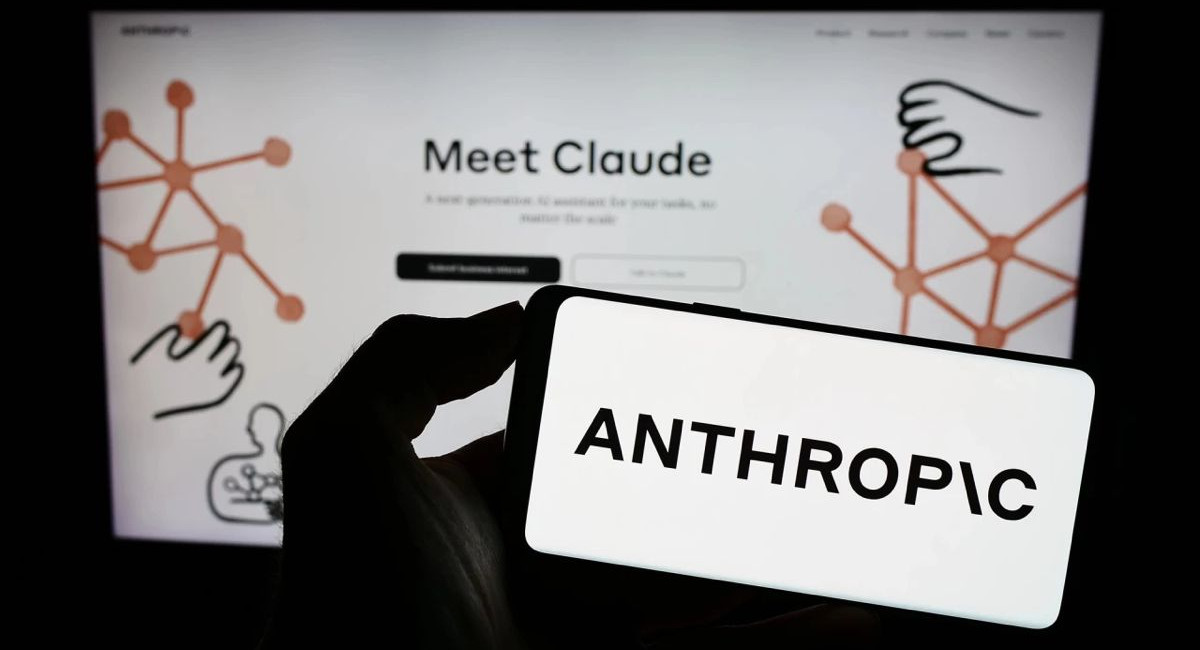
A major privacy scare recently sent shockwaves through the artificial intelligence community when thousands of user interactions with Anthropic's flagship chatbot, Claude, surfaced in public Google search results. The incident came to light after users on online discussion platforms like Reddit discovered that a simple search query targeted at specific domain pathways could reveal hundreds of indexed logs. What was initially thought to be a strictly confidential dialog between individuals and an artificial intelligence turned out to be accessible to anyone with an internet connection. The exposed material ranged from benign queries and creative writing to alarming leaks of highly sensitive personal data.
Reports from affected individuals and cybersecurity observers highlighted an extraordinary array of sensitive content floating in the open web. Search index records revealed logs containing financial documentation, home addresses, tax filings, real names, and contact details. In particularly concerning instances, users inadvertently exposed cryptocurrency wallet keys while configuring digital assets, while legal professionals unwittingly revealed sensitive client inquiries and potential ethical compliance discussions. Beyond raw text conversations, the exposure also swept up Claude Artifacts, which are standalone interactive applications and custom web programs built directly within the platform by users.
The root cause of this exposure stems from the architecture of modern AI sharing features. To facilitate collaboration, Anthropic provides a share button that generates a unique web address for any given conversation or Artifact. While default conversations remain entirely private, generating a share link converts the chat into an accessible static webpage. Search engine crawlers continuously index the internet by following hyperlinks scattered across public forums, blogs, and social media channels. Although Anthropic implemented rules within its site configuration files to discourage web crawlers from indexing shared directories, the company omitted explicit html noindex tags on the individual shared pages. Consequently, when users posted their share links across public online platforms, web crawlers indexed the underlying content.
In response to the public outcry, Anthropic clarified its position regarding data privacy and web indexing practices. A spokesperson for the company emphasized that Anthropic does not submit sitemaps or directory listings of user conversations to search engines like Google. According to the company, shareable web links are designed with long, unguessable strings that cannot be discovered through random web browsing unless intentionally posted online by the user. Anthropic maintained that once a user chooses to publish a link on a public webpage, the content effectively functions as public web material, making it subject to archiving by external services and search engine crawlers.
Despite Anthropic's explanation, industry experts and privacy advocates argue that tech companies bear a higher burden of responsibility when designing sharing features. Users frequently treat AI assistants as private digital notebooks, typing out raw thoughts, personal dilemmas, and proprietary code without anticipating that a single share click could expose those thoughts to global search engines. Critics point out that without explicit, prominent warnings explaining the indexing risks associated with public links, ordinary users cannot reasonably foresee that sharing a link with a friend or colleague might lead to permanent indexing by web crawlers.
This incident is far from an isolated event in the rapidly evolving artificial intelligence landscape. Competitors such as OpenAI and xAI have faced remarkably similar vulnerabilities with ChatGPT and Grok over the past couple of years. In those instances, search engines also indexed thousands of shared conversations because public link generators lacked strict indexing restrictions. The recurring nature of these leaks underscores a systemic challenge across the AI industry, where product developers scramble to add social and collaborative tools without fully fortifying them against passive web crawling.
Following the backlash, Anthropic worked alongside major search providers to remove indexed Claude conversations and Artifacts from search results. However, security analysts warn that removing search listings does not automatically delete the underlying shared pages, nor does it affect cached copies or archived records captured by third parties before the fix. Users who are concerned about their previous interactions can actively manage their digital footprint by navigating to the privacy settings within their Claude accounts. From there, users can inspect every active share link and immediately revoke public access, ensuring that old conversations are permanently disconnected from the web.
MORE NEWS FOR YOU