 Help & Support
 SEARCH
Google set to allow Gmail address changes
SHARE IT
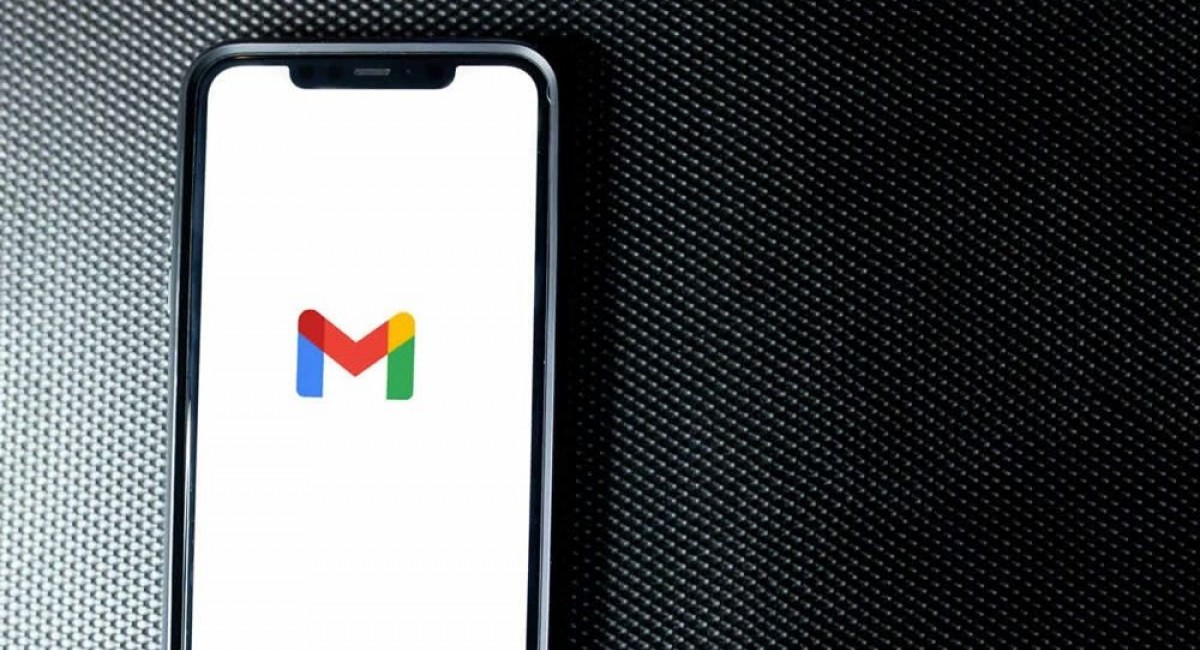
For nearly two decades, millions of internet users have lived with a specific kind of digital regret. It is the regret of an email address chosen in adolescence, a handle that seemed clever or cool at the time but became a source of embarrassment in adulthood. Until now, the architecture of the Google ecosystem made fixing this mistake incredibly difficult. Users were effectively locked into their primary Gmail address for life, with the only escape being the creation of an entirely new account—a process that meant leaving behind years of purchase history, emails, and data. However, recent reports indicate that this rigid policy is finally coming to an end.
According to new findings, Google is preparing to launch a feature that will allow Gmail users to change their primary email address without deleting their account or starting from scratch. The information, which surfaced through an analysis of Google Play Services, suggests that the tech giant is building the necessary backend infrastructure to support this highly requested capability. This development was highlighted in a recent report by Neowin, referencing technical discoveries made by AssembleDebug.
The upcoming feature appears to address the complex web of data connected to a Google Account. In the current system, your email address is not just a mailbox; it is the master key to your digital identity on Android, YouTube, Google Maps, and the Play Store. Previously, if a user wanted to shed an unprofessional username, they had to create a fresh account. This seemingly simple act created a logistical nightmare, resulting in the loss of paid apps, movie purchases, cloud storage files, and curated playlists. The new system promises to decouple the user's identity from the specific string of characters in their email address.
Based on the strings of code uncovered in the latest updates, the process will be seamless but strictly regulated. When a user chooses to rename their primary address, the old address will not simply disappear into the ether. Instead, the system is designed to retain the original email address as an alias. This is a crucial safety net. It ensures that emails sent to the old, perhaps embarrassing, handle will still arrive in the user's inbox. This automatic forwarding mechanism prevents the user from missing important correspondence from contacts who have not yet updated their address books.
However, Google is not making this a free-for-all feature. The company seems intent on preventing abuse and confusion by implementing significant limitations. The findings suggest that users will not be able to change their email address on a whim every week. There appears to be a cooldown period, likely requiring a user to wait twelve months before they can change their address again. Furthermore, there is evidence of a lifetime limit on these changes, potentially capping the number of times a user can rename their account to just three instances.
These restrictions highlight the balance Google is trying to strike between user flexibility and system stability. An email address is often used as a unique identifier for security and recovery purposes across the web. Allowing constant changes could create vulnerabilities or make it difficult for the system to track account ownership. By imposing a yearly limit and a total cap, Google ensures that the feature is used for legitimate reasons—such as rebranding after a marriage, a gender transition, or simply outgrowing a childish username—rather than for evading blocks or spam filters.
The rollout of this feature marks a significant philosophical shift for Gmail. Since its invitation-only launch in 2004, the service has treated the username as an immutable bedrock of the account. While other platforms sometimes allowed username changes, Google maintained a strict policy due to the sheer integration of its services. This upcoming change acknowledges that digital identities are not static. People grow, their circumstances change, and their professional needs evolve. The ability to reflect those changes in their primary digital point of contact, without the penalty of data loss, is a massive quality-of-life improvement.
While the feature has been spotted in the code of Google Play Services, a definitive release date has not yet been announced. It is common for such features to appear in the backend code weeks or even months before they are publicly activated. When it does arrive, it will likely be rolled out in phases, potentially starting with specific regions or Google One subscribers before reaching the wider user base. For now, users stuck with handles they made in high school can look forward to a future where they can finally present a more professional face to the digital world.
MORE NEWS FOR YOU