 Help & Support
 SEARCH
Google standard bearer joins the hardware tracking race
SHARE IT
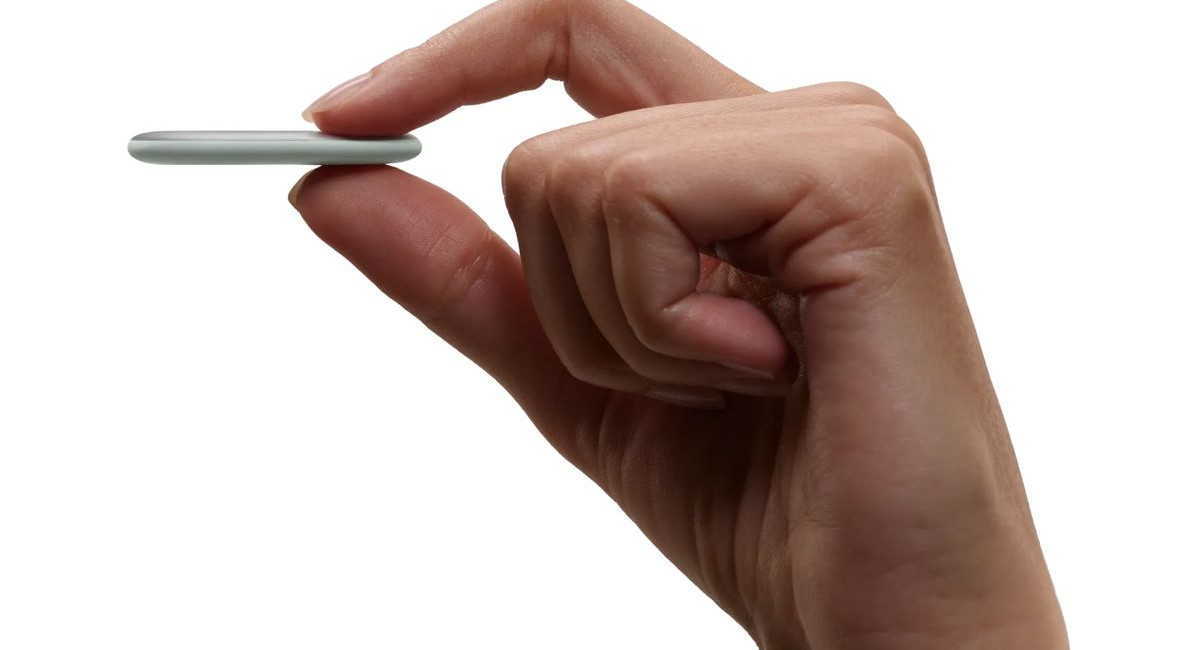
Google has officially thrown its hat into the dedicated hardware tracking ring with the unveiling of the Google Pixel Tag. Designed to serve as a seamless bridge between personal belongings and the vast Android ecosystem, this compact device is far more than just another gadget in the lineup. It represents a deliberate, calculated push into connected hardware, tapping directly into the Find Hub network to deliver an integrated, highly secure, and precise location tracking experience for users worldwide.
Built to withstand the rigorous demands of daily wear and tear, the Pixel Tag eschews an all-plastic approach in favor of a rugged stainless steel chassis. This durable construction ensures that whether clipped to house keys, tossed inside a backpack, or attached to luggage, the tracker resists crushing and cracking. Furthermore, an IP67 rating protects the internal components against dust exposure and accidental submersion in fresh water for up to 30 minutes. To help users locate misplaced items obscured by couch cushions or folded inside laundry, Google outfitted the tag with a high-frequency speaker that cuts through dense fabrics with ease.
Underneath its minimalistic exterior, the Pixel Tag packs advanced spatial tracking tech. It combines Ultra-Wideband (UWB) precision with the latest Bluetooth 6.0 standard, incorporating Channel Sounding technology to offer sub-meter accuracy. When navigating toward a missing item, users receive clear directional prompts directly on their smartphone display. Powering this setup is a user-replaceable CR2032 battery offering roughly a full year of operation, while Fast Pair functionality ensures instant setup out of the box for any device running Android 9.0 or higher.
The fundamental strength of any physical tracker relies entirely on the crowd-sourced network behind it. The Pixel Tag leverages Google's updated Find Hub ecosystem, which harnesses over one billion active Android devices worldwide. Should an owner leave keys behind at a venue, nearby Android smartphones silently detect the tag's Bluetooth signal and upload encrypted coordinates to Google servers. End-to-end encryption guarantees that only the owner possesses the decryption key needed to view the item's precise location on a map. For proactive protection, a built-in feature immediately notifies users on their mobile screen whenever they inadvertently step away from tagged valuables.
Adding a layer of practical versatility, the device includes a dedicated physical key that reverses the tracking process. Pressing the button on the tag forces the connected Android smartphone to ring loudly, even if set to silent mode, resolving a frequent daily frustration. Furthermore, the Find Hub platform allows users to share a single Pixel Tag with up to ten authorized individuals. This capability makes it effortless for families or housemates to track shared essentials such as vehicle keys, TV remotes, or shared travel gear.
Integration across Google's broader device lineup introduces additional hands-free convenience. Wearers can locate or ring their tracker straight from the display of a Pixel Watch without pulling out their phone. The ecosystem integration deepens with Gemini AI support via Pixel Buds, allowing users to initiate a search with simple voice commands like asking the assistant to locate their missing keys.
Addressing valid consumer concerns surrounding unwanted tracking, Google integrated multi-layered anti-stalking measures. Android devices automatically analyze signal patterns to detect unrecognized tags traveling with a user over extended periods. Upon detection, an instant alert pops up on the smartphone display, complete with step-by-step instructions on how to trigger an audible chime to physically locate the hidden tracker, alongside clear directions to permanently disable it. These protocols align directly with universal industry standards established to thwart unauthorized monitoring.
The Google Pixel Tag is slated for release through the Google Store starting November 11. Retail pricing is set at 29 dollars for a single unit, while a value four-pack will sell for 99 dollars.
MORE NEWS FOR YOU