 Help & Support
 SEARCH
Google unveils major expansion of Personal Intelligence to redefine everyday digital assistance
SHARE IT
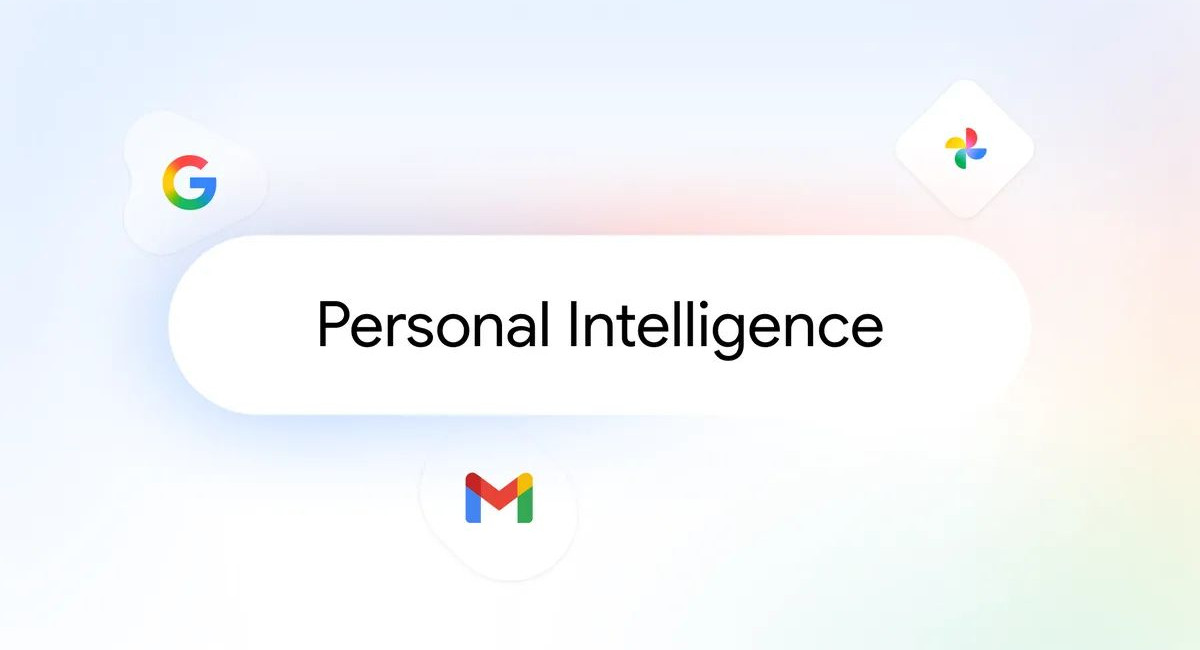
Google has announced the expansion of its Personal Intelligence features across the United States. This rollout marks a decisive shift from generic search engine utility to a highly customized, proactive digital assistance model. By integrating this advanced technology into AI Mode in Search, the Gemini app, and Gemini in Chrome, the technology giant is aiming to transform how users interact with their devices, manage their schedules, and discover new products. The underlying philosophy centers on making technology feel less like a tool and more like an intuitive extension of the user's own mind and habits.
At the core of this expansion is the system's ability to securely connect the dots across the broader Google ecosystem. For years, users have had to manually bridge the gap between their emails, photo galleries, and search queries, often repeating context to get the desired results. Now, Personal Intelligence seamlessly communicates with applications such as Gmail and Google Photos to deliver responses that are uniquely relevant to the individual. Whether a user is trying to recall the specific brand of running shoes they purchased months ago or attempting to plan a family vacation based on historical travel patterns and hotel confirmations, the system pulls the necessary information effortlessly, saving time and reducing digital friction.
The practical applications of this technology are vast, particularly in the realm of online shopping. Consumers are no longer restricted to static search results. Instead, they receive tailored recommendations that take their entire purchasing history and stylistic preferences into account. For instance, a user looking for a bag to match a recently purchased pair of gold shoes will not just see generic handbags. The system will analyze recent purchases, favored brands, and aesthetic choices to present options that perfectly complement the shoes, even matching subtle details like metallic hardware. This level of granular personalization promises to significantly streamline the consumer experience.
Beyond retail, Personal Intelligence tackles one of the most universally frustrating experiences: technical troubleshooting. Dealing with malfunctioning electronics usually requires remembering the exact model number or digging through years of emails to find a digital receipt. With the new integration, users can simply describe the problem they are facing. The system will automatically retrieve the specific device model from past purchase records and provide highly targeted debugging steps. Whether the solution involves a simple power cycle or a complete factory reset, the instructions are customized to the exact piece of hardware, eliminating the guesswork and frustration typically associated with tech support.
Travel planning and logistics also receive a major upgrade under this new framework. Navigating busy airports during tight layovers can be stressful, but Personal Intelligence aims to alleviate this by factoring in real-time logistics and personal preferences. The system can provide tailored dining suggestions that align with a user's culinary tastes, calculate the exact walking time between arrival and departure gates, and monitor the time remaining before boarding. Furthermore, when it comes to exploring a new city, the AI bypasses generic tourist recommendations. Instead, it generates custom itineraries filled with hidden gems and local eateries, all based on the user's unique interests and past travel memories, ensuring a truly personalized adventure.
Naturally, the integration of such deeply personal data raises important questions regarding privacy and data security. Google has proactively addressed these concerns by designing Personal Intelligence with transparency, choice, and user control as foundational pillars. Users maintain complete authority over whether they want to connect apps like Gmail and Google Photos, and they reserve the right to sever these connections at any moment. Crucially, the company has clarified that Gemini and AI Mode do not train their foundational models directly on private email inboxes or personal photo libraries. Instead, training is restricted to limited data points, such as specific prompts and model responses, ensuring that user privacy is not compromised in the pursuit of enhanced functionality.
Currently, these connected experiences are rolling out for free-tier users with personal Google accounts in the United States, while Workspace business, enterprise, and education users remain excluded from this specific deployment. Ultimately, this expansion represents a sophisticated leap forward in digital assistance. By combining hyper-relevant insights with strict user controls, Google is paving the way for a future where our digital tools anticipate our needs, simplify our tasks, and operate as a natural, seamless extension of our daily lives.
MORE NEWS FOR YOU