
 Help & Support
 SEARCH
Meta introduces new algorithmic guardrails for teens
SHARE IT
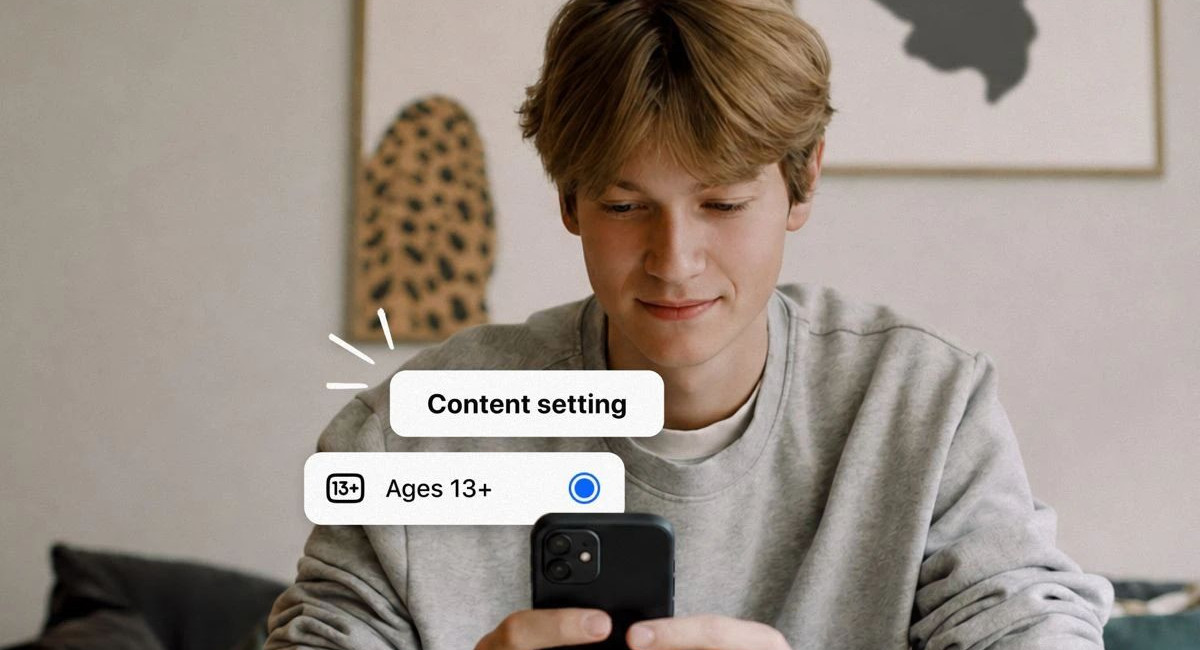
Social media algorithms are continuously scrutinized for holding younger audiences captive, and that's why Meta is taking a decisive step to rewrite the rules of digital engagement. The tech giant is expanding its rigid 13+ safety protocols globally across Instagram, Facebook, and Messenger. At the center of this initiative is a pioneering algorithmic mechanism designed to actively block repetitive and potentially damaging content loops before they can harm vulnerable teenage minds.
For years, the core architecture of social media was built on a simple premise: keep the user scrolling. If a teenager engaged with a fitness video or an emotional post regarding mental health, recommendation systems immediately flooded their feeds with similar material to maximize screen time. While this creates a repetitive loop for adults, it poses severe psychological risks for minors. Constant exposure to extreme dieting, unrealistic beauty ideals, or deep discussions on depression can quickly trap teenagers in toxic feedback loops. Meta’s latest rollout acknowledges that shielding young users requires more than passive filters; it demands active, systemic intervention.
The technological centerpiece of this update is Instagram’s new algorithmic circuit breaker. Powered by advanced machine learning models, this system does not just scan captions and hashtags, but deep-dives into the actual visual data of Reels and Stories. By tracking how often a teenager encounters specific, sensitive themes, the algorithm functions as an automatic kill-switch. When a predetermined threshold of exposure is hit within a given timeframe, the recommendation engine stops pushing that topic entirely. Instead, it injects thematic diversity into the user's feed, surfacing entirely different categories like science, sports, hobbies, or art to break the obsessive focus.
This structural overhaul is anything but accidental. Tech conglomerates are under immense regulatory pressure worldwide, facing intense scrutiny from the Digital Services Act in the European Union, alongside rigorous investigations by American authorities into the psychological impacts of social media on youth. This global expansion signals Meta's strategy to stay ahead of impending legal crackdowns by standardizing its strictest Teen Accounts framework into a unified, secure ecosystem across all its major messaging and social networking products.
The rollout has officially commenced for users in Greece, introducing an automated blanket of security that fundamentally shifts the burden of online safety. Parents no longer need to navigate labyrinthine setting menus to secure their children's accounts. The platform automatically assigns the highest level of security to anyone registered under the age of 18, or identified as a minor through behavioral data tracking. In regions like Greece, where the digital literacy gap between tech-savvy children and their parents can be substantial, this automated default defense acts as a crucial safeguard.
Crucially, Meta is not confining these boundaries to public discovery feeds like Explore or Reels. The new protocols extend deep into private communications via Messenger. Teenage profiles will automatically be blocked from receiving direct messages from strangers with whom they share no mutual connections, while potentially inappropriate content is proactively hidden from view. As rival platforms like TikTok face similar regulatory demands under European law, Meta's comprehensive strategy sets a new baseline for how social networks must protect the next generation from the unintended consequences of the attention economy.
MORE NEWS FOR YOU