
 Help & Support
 SEARCH
Meta rewrites the script for creators with advanced AI analytics and more
SHARE IT
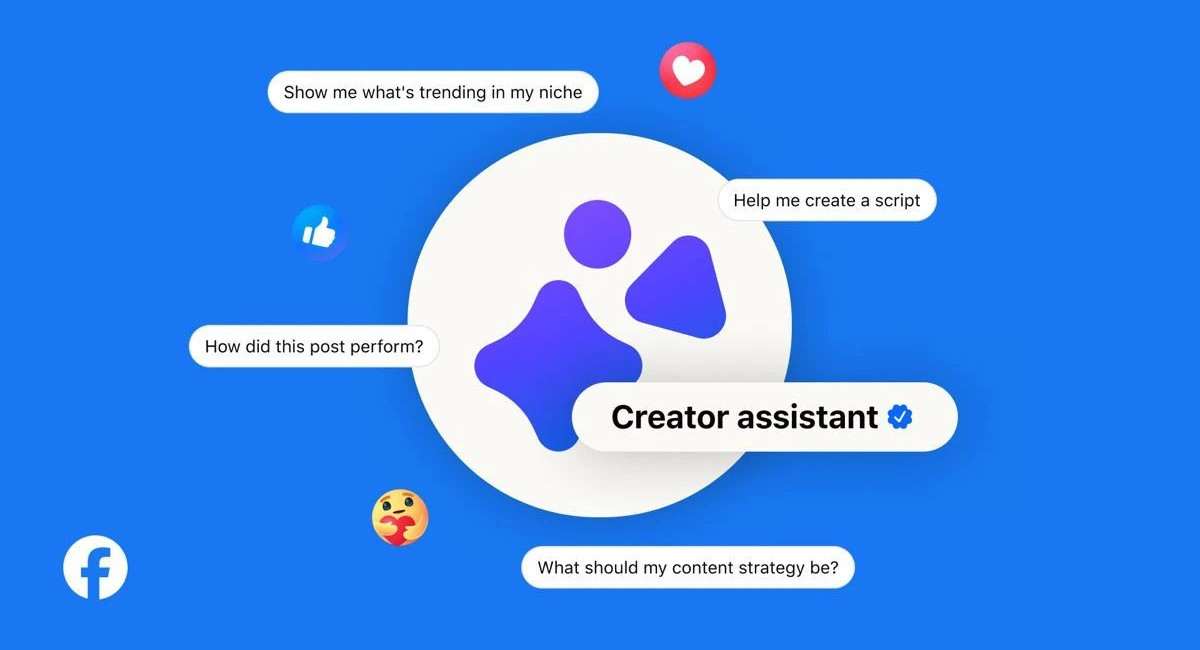
Meta has unveiled Creator Assistant, a conversational artificial intelligence tool built directly into the Facebook creator dashboard. The system fundamentally shifts how digital publishers interact with analytics, replacing dense spreadsheets with a simple chat interface capable of diagnosing traffic fluctuations and advising on next steps.
For years, optimizing social media reach meant manually cross-referencing metrics such as publication times, audience retention dips, and formatting styles to understand what satisfies the algorithm. The newly launched Creator Assistant automates this investigative process. Instead of guessing why a particular video underperformed, a user can directly ask the AI for a comparative breakdown or an explanation of recent changes in demographic viewership. By analyzing the historical performance of the specific account, the assistant delivers personalized, practical advice rather than generic platform guidelines.
Beyond analytical diagnostics, the virtual companion acts as a collaborative brainstorming partner. When creators face a creative block, the tool evaluates real-time platform trends, highlighting viral audio tracks and cultural moments that match the creator’s specific niche. It also aligns its strategic recommendations with the publisher's core business objectives, tailoring advice based on whether the primary goal is audience expansion, community engagement, or revenue maximization through monetization channels.
Simultaneously, Meta is tackling the traditional geographic boundaries of digital media by upgrading its generative AI translation capabilities for Reels. The company revealed that more than half a billion users already watch automatically translated short-form videos on its platform every week. To accelerate this global reach, the automated dubbing system is expanding to include five additional languages: Arabic, Indonesian (Bahasa), French, Thai, and Vietnamese, pushing its core roster into heavily populated regional markets.
The true technological breakthrough lies in how these translations sound and look. Rather than overlaying a synthetic, robotic voiceover that strips away the original performance, Meta's software creates a digital replica of the creator’s actual voice tone and inflection. This localized clone speaks the new language while keeping the speaker's unique vocal identity intact. To complete the illusion, an optional lip-syncing feature adjusts the visual movement of the speaker’s mouth to match the newly generated audio, making it appear as though the creator is fluent in multiple languages.
The feature has entered its initial rollout phase, becoming immediately available to content creators in the United States, Canada, and India. While European markets are scheduled for the subsequent phase of deployment, the implications for smaller linguistic communities are profound. Historically, independent publishers operating in countries with smaller domestic populations faced a natural ceiling on their potential growth due to language barriers.
When these translation and advanced dubbing tools arrive in smaller European regions, they could effectively level the global playing field. Local vloggers, culinary experts, and tech reviewers will have the ability to export their native-language content directly to massive English, French, or Arabic-speaking audiences without needing to record multiple versions or hire professional translators. Furthermore, by utilizing the insights of Creator Assistant, local creators can refine their output to meet international standards and better understand global algorithmic trends without investing in expensive, third-party search engine optimization software or data analytics packages.
MORE NEWS FOR YOU