 Help & Support
 SEARCH
Netflix moves to absorb Warner Bros. Discovery
SHARE IT
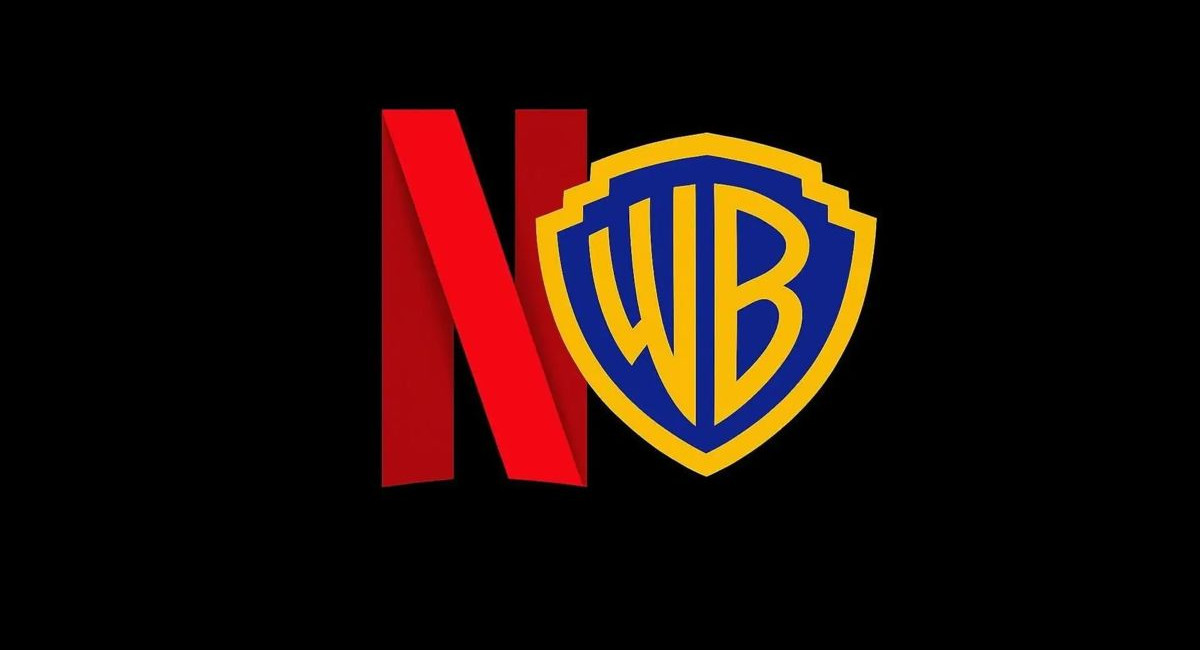
Netflix’s bold decision to acquire the film and streaming divisions of Warner Bros. Discovery for an eye-popping 82.7 billion dollars signals one of the most consequential shifts the entertainment world has seen in decades. The company outpaced major competitors, including Comcast and Paramount Skydance, to secure a deal that hands it stewardship of some of the most recognizable franchises in modern culture. With the agreement, Netflix gains control of cinematic pillars like Harry Potter and Game of Thrones, while also taking ownership of HBO Max, long regarded as one of its most formidable streaming rivals.
The scale of the acquisition speaks to an industry in flux. For years, studios and tech platforms have been engaged in a battle for attention, subscribers, and prestige. If approved, this transaction would fundamentally redraw that battlefield. By pulling Warner Bros.’ vast catalogue under its umbrella, Netflix positions itself not just as a streaming leader but as a dominant gatekeeper of American film and television heritage. Yet such dominance comes at a regulatory price. Competition authorities in the United States and abroad are expected to scrutinize the proposal intensely. Given Netflix’s already commanding presence across global markets, regulators may interpret the deal as anticompetitive consolidation. The process remains unpredictable: approval from one regulator could encourage others to proceed, while a single veto could stall the entire venture indefinitely.
Beyond the legal chessboard, the merger would dramatically alter the experience of everyday viewers. Over the past decade, audiences have grown increasingly frustrated by the fragmentation of content across countless subscriptions. The potential folding of HBO Max into Netflix’s existing platform would, at least hypothetically, simplify that landscape. While Netflix has no plans to lower its subscription fees, the disappearance of an additional HBO Max payment would ease the monthly burden on American households. For many who juggle multiple logins just to keep up with their favorite series, such consolidation would be a welcome relief.
Ted Sarandos, Netflix’s co-CEO, framed the acquisition as an extension of the company’s long-standing ambition. He highlighted the creative possibilities of uniting Warner Bros.’ legacy catalogue with Netflix’s own generation-defining hits. Sarandos pointed to the studio’s classics—Casablanca, Citizen Kane—and its modern juggernauts—Harry Potter, Friends—arguing that their union with Netflix originals like Stranger Things, KPop Demon Hunters, and Squid Game could help shape storytelling for decades to come. His remarks underscored a broader point: Netflix sees this deal not merely as a business expansion but as an opportunity to reimagine its role in global culture.
Still, the creative and economic repercussions of such a merger are complex. Industry insiders warn that the consolidation of two massive production engines could lead to trimmed output. Fewer shows and films, even if more lavishly funded, might spell trouble for Hollywood’s workforce. Writers, actors, technicians, and unions are already preparing to push back if they believe the acquisition threatens jobs or diminishes creative diversity. The worry is that a leaner, more tightly controlled production slate could favor only the safest bets—major franchises and guaranteed hits—at the expense of new voices and risk-taking projects.
Consumers, too, may face shifts beyond the disappearance of HBO Max. While Netflix has not announced any price hikes, analysts suggest that a deal of this magnitude could eventually justify higher subscription fees. The company would likely argue that an expanded library—enriched with some of the most valuable entertainment properties on the planet—warrants a more expensive tier. Whether customers accept that rationale will depend largely on how seamlessly Netflix integrates Warner Bros.’ content and how meaningfully the change improves the viewing experience.
For now, all eyes turn to the regulators whose decisions will determine whether the entertainment landscape undergoes this seismic transformation. If the acquisition proceeds, it could usher in a new era—one marked by fewer platforms, larger catalogs, and unprecedented consolidation of creative power. If it is blocked, the industry’s increasingly crowded streaming marketplace will continue its fragmented march. Either way, the outcome promises to shape how millions around the world watch, discuss, and experience stories.
MORE NEWS FOR YOU