 Help & Support
 SEARCH
Netflix pulls the plug on phone casting for most modern TVs
SHARE IT
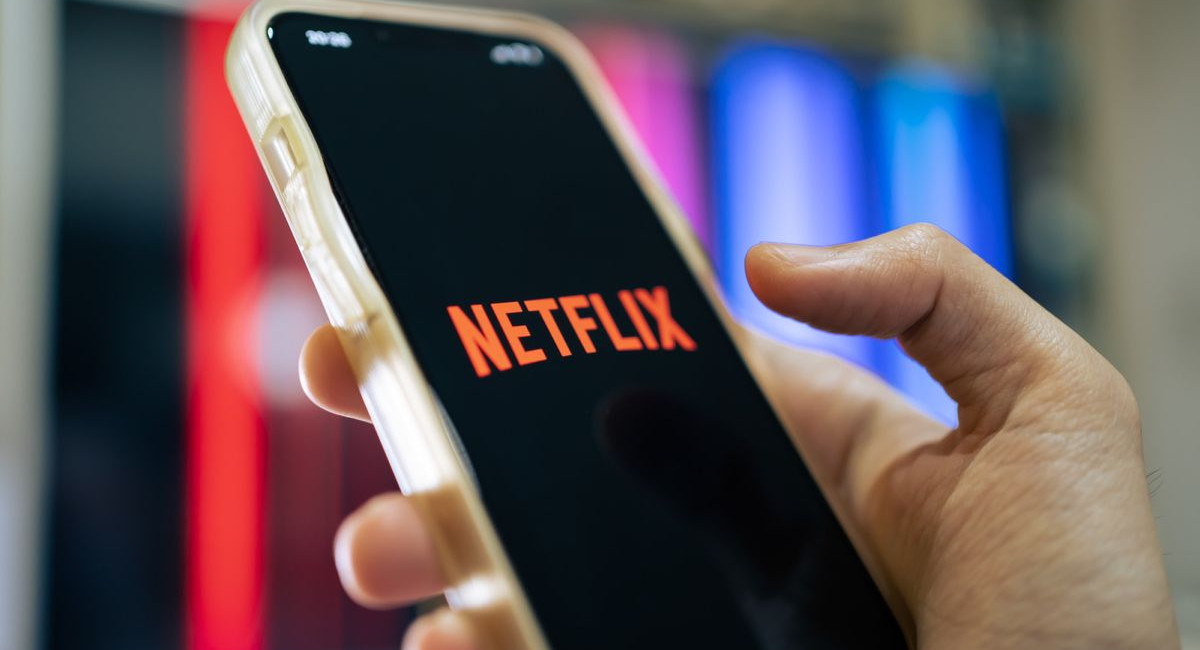
Netflix has quietly upended a long-familiar feature for millions of viewers: the ability to cast shows and movies from a smartphone directly to a TV. Over recent weeks, users of Chromecast with Google TV devices, Google TV Streamer units, and many built-in Google TV televisions began noticing that the Cast button in the Netflix mobile app had mysteriously vanished. At first it seemed like a bug, but a new clarification from Netflix reveals that the change is deliberate—and permanent.
According to the company’s updated support pages, Netflix no longer allows casting from its mobile app to the majority of modern smart TVs and streaming devices. The only surviving options are older Chromecast models that never shipped with physical remotes, the Google Nest Hub smart display, and a small selection of Vizio and Compal TVs that still support Google Cast in its original form.
For years, casting from a phone has been one of the easiest ways for viewers to browse Netflix’s catalog and control playback without dealing with clunky TV interfaces. The streamlined navigation, quick typing, and instant access to profiles made mobile casting a favorite method for many households. Now, Netflix says users must rely on the remote that came with their TV or streaming device to browse and watch content, effectively pushing people back toward standard on-screen navigation.
Although the company did not make a formal announcement, the revised support article makes Netflix’s stance explicit: casting from a mobile device is no longer supported on most modern platforms, regardless of the subscriber’s plan. Whether a user pays for an ad-free tier or is on an ad-supported plan, the answer is the same—casting won’t work on the majority of devices that viewers use today.
The only carve-out applies to older Chromecast hardware and TVs that rely on the original Google Cast protocol rather than Google TV. Even then, ad-supported plans cannot cast to these legacy devices, while only viewers on paid, ad-free tiers still retain access to this functionality.
Some of the details surfaced after the fact. When the change was first discovered, Netflix’s help section lacked specificity about which devices would continue to function normally. Shortly after news outlets and users drew attention to the issue, Netflix quietly updated its support page again to list the limited number of products that still support casting. Despite the additions, the overall message remains unchanged: most TVs and streaming boxes no longer work with mobile casting from the Netflix app.
A reported exchange between a subscriber and a Netflix customer support representative added even more fuel to the fire. According to the customer’s account, the representative said that “if the device has its own remote, you can’t cast.” The representative also claimed that the decision was intended to improve the user experience, though many viewers disagree sharply. Reactions across Reddit and other forums show widespread frustration, especially from users who had integrated casting deeply into how they watch Netflix.
This decision also renders previously reported limitations irrelevant. Earlier in the year, it came to light that subscribers on the Standard with ads plan could not cast content to certain devices. Netflix has now expanded this restriction to the point where plan type hardly matters anymore. Apart from a dwindling selection of older hardware, casting is effectively dead on Netflix’s mobile app.
Reports from users support this new reality: traditional Chromecasts still appear as available devices in the Netflix app, but Chromecast with Google TV units, Google TV Streamer devices, and the vast majority of Google TV-enabled televisions no longer show up at all.
The broader implications remain unclear. Some observers speculate that Netflix is working to unify the viewer experience across devices, pushing users toward native interfaces and remotes instead of casting. Others believe the shift may be tied to Netflix’s focus on advertising, noting that TV interfaces give the company more control over how ads are displayed and measured.
Whatever the underlying reasons, one thing is certain: a feature that many considered essential has quietly disappeared, and Netflix customers now have no choice but to adjust. Whether viewers will accept the change or push back remains to be seen, but the era of simple, phone-to-TV Netflix casting appears to be coming to an end.
MORE NEWS FOR YOU