 Help & Support
 SEARCH
Passkeys are becoming the default option on Google's services
SHARE IT
For the majority of people, creating an online identity has always required a username and password. While passwords are secret and frequently advised to be a combination of letters across cases, numbers, and special characters, usernames are public and frequently easy to remember. Passwords are frequently reused, which reduces security. Google is taking a big step toward the widespread adoption of Passkeys, a creative solution to the hassle of having an endless number of unique passwords.
Passkeys are now the default option for personal Google Accounts, according to Google. Google will offer you to generate and use a passkey the next time you sign into your account. Your Google Account settings will also have a "skip password when possible" option enabled, though you can disable passkeys by unchecking this box.
People have used passkeys on YouTube, Search, and Maps, according to Google. In addition to Google, Uber and eBay have supported passkeys. According to Google's blog, WhatsApp is also working on passkey compatibility, which will be available soon.
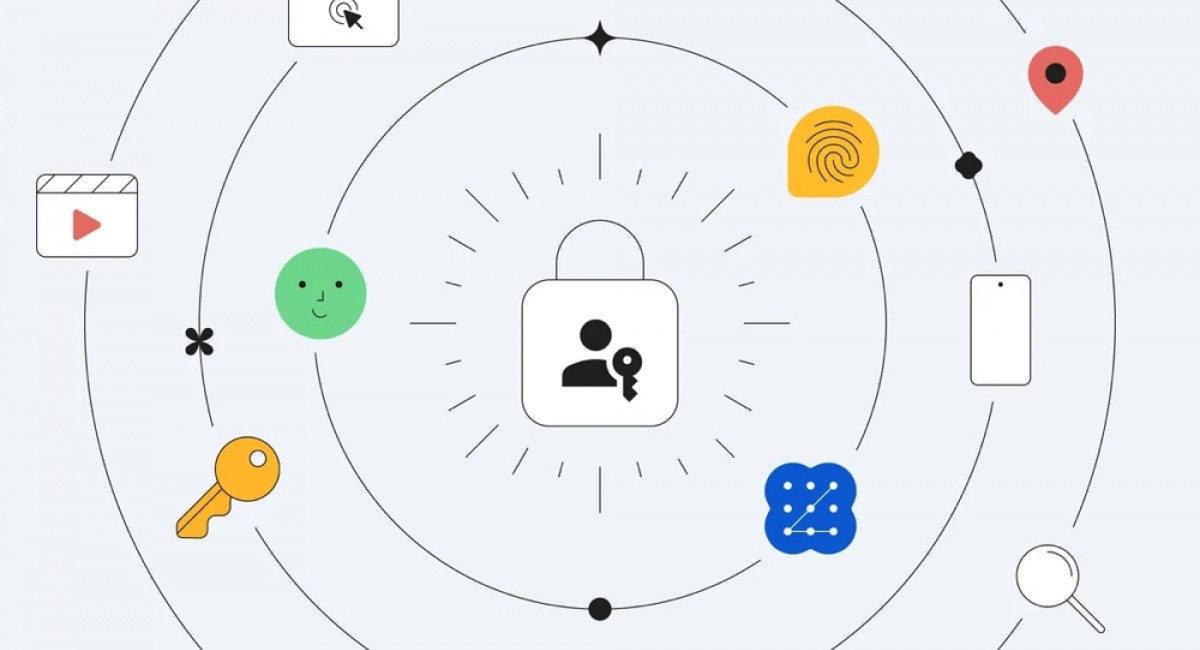
As the initial layer of authentication, passkeys employ a fingerprint, facial scan, or device pin to access your mobile device or password manager. The public key is stored by the website or service provider, while the private key is stored locally by the authenticator device. These keys are mathematically related, but they are not the same. The authenticator receives a query from the website or service provider, which the authenticator resolves using the private key. Without access to your private key, the website or service provider verifies the response with the public key.
Because most people use and reuse simple passwords across the internet, passkeys are typically seen as more safe. Passwords are also saved in remote databases, making them vulnerable to hacking. In comparison, unique passkeys don’t need to be remembered by humans, and the private keys aren’t stored on a server either.
MORE NEWS FOR YOU