 Help & Support
 SEARCH
Shazam meets ChatGPT: The ultimate AI music discovery tool
SHARE IT
The fast paced evolution of artificial intelligence continues to break down barriers between different digital services. In a landmark collaboration between Apple and OpenAI, the beloved music identification service Shazam has been seamlessly integrated into ChatGPT. This development marks a significant step forward in how users interact with artificial intelligence, transforming the conversational bot into a highly capable music discovery tool. Gone are the days of frantically switching between applications to catch the name of a catchy tune playing in the background. The tech landscape is witnessing a shift where standalone utilities are converging into central hubs, and this particular merger highlights a perfect synergy between audio processing and natural language understanding.
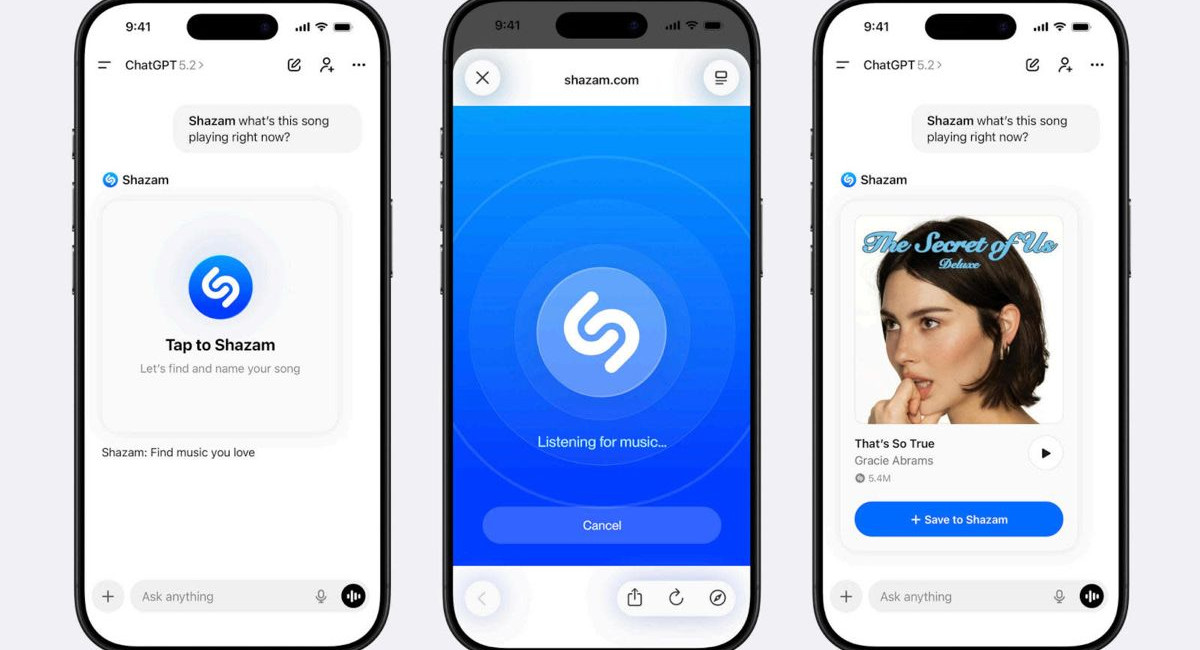
The mechanics of this new feature are designed with user convenience at the forefront of the experience. Whenever an unfamiliar melody fills the room, individuals can simply type the command @Shazam into the chat interface or casually ask the artificial intelligence assistant to identify the current track. This action immediately prompts a dedicated microphone button to appear on the screen, allowing the system to listen to the surrounding audio environment. Leveraging the same robust recognition technology that has made Shazam a household name across the globe, the software swiftly processes the sound waves. Within mere moments, the assistant delivers a preview of the track directly within the conversation window. These results are elegantly presented in a visual format that closely mirrors the aesthetic of Apple Music, offering a clean, intuitive, and visually pleasing user experience.
One of the most compelling aspects of this collaboration is its universal accessibility and seamless cross platform nature. Despite Shazam being officially owned by Apple, this new functionality is not restricted by ecosystem borders. Users do not need to operate within the Apple universe to take full advantage of the tool. Whether an individual is utilizing an Android smartphone, a traditional computer, or any device equipped with a standard web browser, the feature operates flawlessly. For those who already maintain the standalone Shazam application on their mobile devices, the integration offers an additional, highly practical layer of utility. Any track identified through the conversational interface can be permanently saved to the user personal library. This crucial synchronization ensures that newfound musical discoveries are preserved safely, preventing them from being lost or buried within lengthy and complex artificial intelligence text threads.
The utility of this innovative tool extends far beyond mere identification, effectively bridging the gap between initial discovery and continuous listening. Because the artificial intelligence platform already supports deeper connections with major music streaming services, users can instantly act upon their new musical finds. For instance, the system integrates smoothly with Apple Music, enabling individuals to generate entirely new playlists using the freshly identified track as a foundational seed. Furthermore, this capability remains inclusive rather than exclusive. Enthusiasts of Spotify can enjoy the exact same functionality, utilizing the rival streaming platform to build custom playlists and explore similar artists directly through the chat interface. This impressive level of interoperability highlights a growing, positive trend toward open ecosystems in the competitive tech industry.
While the feature promises to significantly enhance the digital music experience, it is important to note that it does not come activated straight out of the box. Users looking to harness this newly introduced capability must complete a brief and straightforward setup process. Navigating to the applications section within the platform allows individuals to search for the Shazam extension and securely link it to their account. Alternatively, a dedicated webpage for the tool provides an instant activation route for those who prefer a quicker method. Once the initial connection is established, the music recognition capabilities become universally available across all supported hardware linked to the user account. The rollout is currently underway on a global scale, reaching enthusiastic audiences on iOS, Android, and web platforms simultaneously.
Looking at the broader picture, this integration represents a massive shift in how artificial intelligence is being woven into the very fabric of our everyday digital life. By embedding specialized utilities like music recognition directly into a general purpose conversational assistant, technology companies are actively creating more cohesive and centralized user experiences. Consumers no longer need a home screen completely cluttered with single purpose applications when a central artificial intelligence hub can intelligently route requests to the appropriate service quietly in the background. As the rigid lines between different software categories continue to blur, this powerful partnership between OpenAI and Apple serves as a compelling preview of a streamlined future where artificial intelligence acts as the ultimate universal interface for the entire digital world.
MORE NEWS FOR YOU