
 Help & Support
 SEARCH
Apple Maps to integrate advertisements in major revenue push
SHARE IT
In a significant shift for its digital ecosystem, Apple has officially announced plans to introduce promotional content to the Apple Maps application. Starting this summer, users of the iPhone and iPad in the U.S. and Canada will begin noticing sponsored placements as they navigate the app. This strategic decision marks a new chapter for the tech giant, illustrating a continued push to expand its services revenue while attempting to maintain its long-held reputation for stringent user privacy.
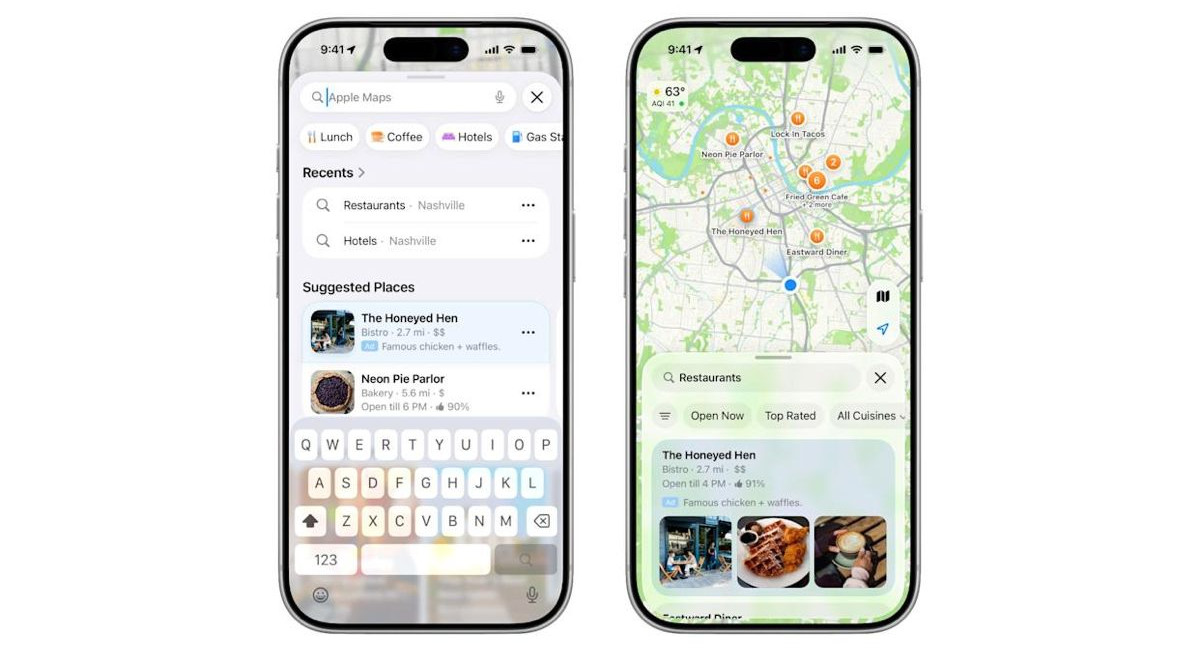
The implementation of these new promotional spots will be highly targeted yet integrated seamlessly into the user interface. According to the company, businesses operating within the U.S. and Canada will be granted the ability to secure prime digital real estate directly within search queries. Additionally, these promotions will feature prominently at the very top of a newly designed interface element called Suggested Places. This specific section of the application is engineered to provide users with tailored recommendations based on local trending hotspots, as well as a user's previous search history and other localized data points.
To maintain transparency and ensure users are fully aware of the nature of these sponsored placements, Apple will mandate that all promotional content carries a clear Ad label. This approach heavily mirrors the advertising model currently utilized within the App Store, where developers can pay to have their software appear at the top of relevant search results. To facilitate this new avenue of digital marketing, companies will be directed to utilize the newly unveiled Apple Business platform, a comprehensive suite designed to help merchants manage their digital presence and set up campaigns directly within the Apple Maps environment.
Despite the introduction of targeted marketing, Apple remains steadfast in its commitment to user privacy, a cornerstone of its modern brand identity. The company has gone to great lengths to assure its customer base that the inclusion of promotional content will not equate to the harvesting of personal data. According to the official statement, the locations a user visits and the promotional content they interact with will remain completely isolated from their Apple Account. By keeping personal data strictly on the device itself, the company guarantees that such information is neither collected nor stored by the Apple Ads division, nor is it ever shared with third-party data brokers. The overarching message from the tech giant is that navigating with sponsored content will remain just as secure and private as the previous ad-free experience.
From a financial perspective, this initiative is a logical progression for a corporation looking to diversify its income streams beyond traditional hardware sales. Over the past several years, the services sector of the company has grown into a monumental revenue generator, helping to offset the natural fluctuations of the smartphone market. By opening up a highly utilized application like Apple Maps to commercial bidding, the company is tapping into a lucrative local advertising market currently dominated by search engine rivals. The sheer volume of individuals relying on their iPhone and iPad for daily navigation provides an incredibly attractive audience for local merchants and national chains alike.
However, this transition is unlikely to occur without some degree of friction from the consumer base. The decision to inject promotional material into a core utility application risks alienating a segment of the user population that has long appreciated the clean, distraction-free environment of the company's software ecosystem. Many consumers pay a premium for these devices with the implicit expectation of avoiding the heavy monetization tactics frequently employed by competitors. Early reactions from digital communities suggest a palpable sense of disappointment, with some critics arguing that the move detracts from the premium feel of the platform and prioritizes profit margins over the end-user experience.
Ultimately, the upcoming summer rollout will serve as a critical test for the company. Balancing the aggressive expansion of its advertising network with the high expectations of its loyal customer base will require careful execution. As the digital landscape continues to evolve, the integration of sponsored content into Apple Maps stands as a defining moment, demonstrating that even the most privacy-centric platforms are finding ways to capitalize on the attention of their vast audiences
MORE NEWS FOR YOU