
 Help & Support
 SEARCH
Shopping meets AI: How ChatGPT is revolutionizing e-commerce
SHARE IT
The intersection of artificial intelligence and digital commerce has just reached a significant milestone. For years, the tech industry has been subtly blurring the lines between searching for information and making a purchase. Now, OpenAI has taken a decisive step that could forever alter the landscape of online shopping. Through a newly introduced feature, the company is transforming its popular AI assistant, ChatGPT, from a conversational companion into a fully functional, integrated digital storefront. This development promises to streamline the consumer journey, allowing users to browse, compare, and ultimately purchase products without ever leaving the application.
At the heart of this transformation is a groundbreaking system that the company calls the Agentic Commerce Protocol. This specialized framework essentially acts as a bridge between the vast inventories of e-commerce merchants and the processing power of the AI model. By utilizing this protocol, retailers of all sizes can plug their product databases directly into the ChatGPT ecosystem. Consequently, the AI is no longer limited to analyzing general web data; it can access real time store inventories, effectively turning the chat interface into a personalized, highly responsive shopping mall.
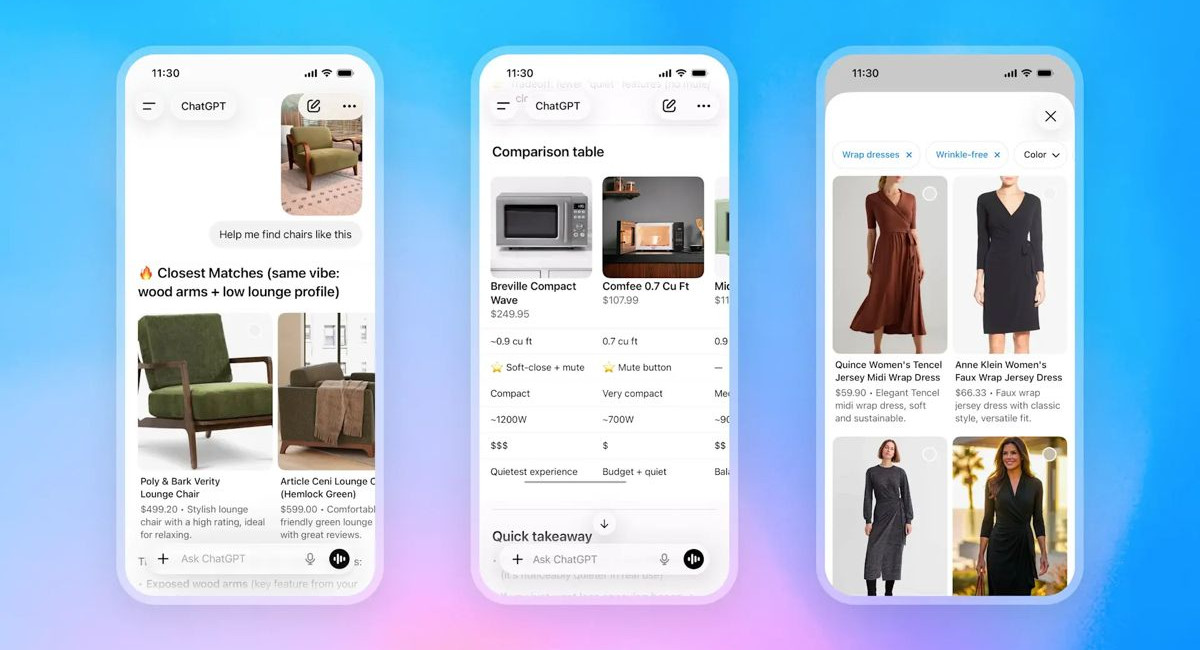
To understand the magnitude of this update, one must consider how the platform previously handled shopping inquiries. In the past, if a user asked for advice on buying a new laptop or a pair of running shoes, the chatbot would offer somewhat abstract guidance. It would outline the general specifications to look for, perhaps mentioning the types of processors or the ideal cushioning materials, but it would stop short of pointing the user to a specific item on a digital shelf. With the introduction of the new protocol, this limitation is entirely removed. Users can now input highly detailed requests, specifying their budget, preferred features, and use cases, and the system will respond with actual, available products.
Furthermore, the updated interface empowers users to conduct side by side comparisons of multiple items. The AI assistant can line up different products, highlighting their respective prices, features, and advantages, allowing the consumer to make a well informed decision. Once the choice is made, the actual transaction can be completed seamlessly within the same conversation window. This frictionless experience represents a major leap forward in consumer convenience and highlights a broader shift currently sweeping the technology sector.
Indeed, OpenAI is not the only major player attempting to merge retail with artificial intelligence. Across the industry, tech giants are racing to integrate shopping capabilities directly into their core applications. Google has been actively experimenting with features that allow users to purchase items directly through its AI interfaces, while Samsung has introduced functionality that enables users to buy products spotted in images saved in their device galleries. The overarching strategy among these corporations is clear: increase user retention by eliminating the need to switch between different applications or websites. By keeping the consumer within their proprietary ecosystems for the entire duration of the shopping process, these companies can maximize engagement and consolidate their influence over digital behavior.
For OpenAI, the integration of an e-commerce platform into its conversational model is a crucial piece of a much larger puzzle. The company has been steadily moving toward the creation of a comprehensive super app, a singular platform that centralizes a wide array of services and utilities. Adding a native shopping experience brings them one step closer to this ambitious goal. However, this shift also introduces profound implications for the world of digital marketing. The rollout of the new Agentic Commerce Protocol is expected to birth an entirely new subfield of SEO. E-commerce businesses will now have to figure out how to optimize their product listings not just for traditional search engines, but for conversational AI models, ensuring that their goods are prioritized when the assistant generates recommendations.
Interestingly, OpenAI has chosen an open approach for the launch. Rather than restricting the feature to a select group of exclusive corporate partners, the company is allowing any merchant to utilize the protocol. This means that from the very beginning, the opportunity to secure a prominent spot in the AI recommendations is available to all retailers. As for the consumers, they will not have to wait long to experience this new era of digital retail. The integrated shopping features are being rolled out this week across the entire user base, encompassing everyone from the Free and Go tiers to the premium Plus and Pro subscribers. As these tools become a regular part of daily digital interactions, the traditional methods of online shopping may soon seem like a relic of the past.
MORE NEWS FOR YOU